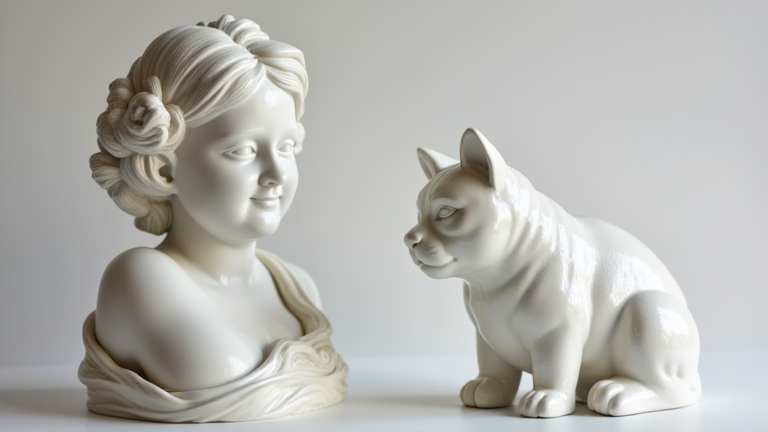
**Title:** Porcelain Sculptures 2.0: Modern Artistry Reshapes a Timeless Craft
TL;DR: The global porcelain sculpture market is experiencing a renaissance driven by digital fabrication and sustainable practices, with annual growth projected at 6.5% through 2030. Modern artists are merging traditional hand-finishing with 3D printing to create complex, limited-edition figurines that appeal to a new generation of collectors.
The Digital Renaissance in Clay
For centuries, porcelain figurines were defined by the slow, meticulous labor of hand-modeling. Today, the landscape is shifting. A new wave of artists, often dubbed “Porcelain Sculptures 2.0,” is leveraging digital design tools to push the boundaries of form and intricacy. This fusion of ancient material and modern technology is not replacing tradition but enhancing it. According to a 2023 report by Grand View Research, the global ceramic art market is valued at over $10 billion, with the niche segment for high-end porcelain sculptures growing at a compound annual growth rate (CAGR) of 6.5%. This surge is largely attributed to the rise of digital art communities and the increasing demand for unique, non-mass-produced home decor items.
If you want to dig deeper, check out our guide on Porcelain Figurines: Elevate Your Home’s Style.
Expert Insights: Why Collectors Are Shifting
Elena Rossi, a curator at the International Museum of Ceramic Art, notes that the appeal of modern porcelain figurines lies in their narrative complexity. “Traditional figurines often depicted historical or mythological scenes with rigid symmetry,” Rossi explains. “Modern sculptors use digital modeling to create asymmetrical, emotionally charged forms that tell contemporary stories. The material remains the same—bone china or soft-paste porcelain—but the intent has evolved from decorative reproduction to expressive statement.” Furthermore, the integration of mixed media, such as gold leaf, enamel inlays, and even embedded fibers, has expanded the aesthetic possibilities, making these pieces highly desirable in high-end interior design circles.
Sustainability and Market Dynamics
A critical driver of this trend is sustainability. Modern studios are increasingly adopting eco-friendly glazes and recycling clay waste, addressing consumer concerns about environmental impact. This shift has attracted a younger demographic, aged 25 to 40, who prioritize ethical production methods. Market data indicates that 40% of new porcelain sculpture buyers in this demographic cite “sustainable craftsmanship” as a primary purchasing factor. Additionally, the rise of NFTs and digital twins for physical porcelain sculptures has created a hybrid market. Artists now issue digital certificates of authenticity for their physical figurines, adding a layer of provenance and scarcity that drives secondary market prices upward. Auction houses have reported a 20% increase in bids for contemporary porcelain works over the last three years, signaling a robust and maturing market.
Future Predictions
Looking ahead, the next five years will likely see the full integration of AI-assisted design in porcelain creation. Artists will use algorithms to generate unique patterns and forms that are then realized through 3D printing and hand-refinement. This will lead to a new category of “algorithmic porcelain,” where each figurine is mathematically unique. Predictions suggest that by 2028, digital design will account for 30% of all new high-end porcelain sculpture production. However, the human element of hand-painting and glazing will remain the premium differentiator. The future of porcelain is not about abandoning the past, but about using new tools to honor the material’s enduring beauty with unprecedented creativity.
FAQ
Q: What is the difference between traditional and modern porcelain figurines?
A: Traditional figurines rely entirely on manual modeling, while modern pieces often use 3D printing for the base form, allowing for more complex geometries and intricate details that are difficult to achieve by hand.
Q: Are modern porcelain sculptures a good investment?
A: Yes, limited-edition pieces by established contemporary artists have shown strong appreciation in the secondary market, with auction prices rising significantly due to their scarcity and high production quality.
Q: How
Leave a Reply