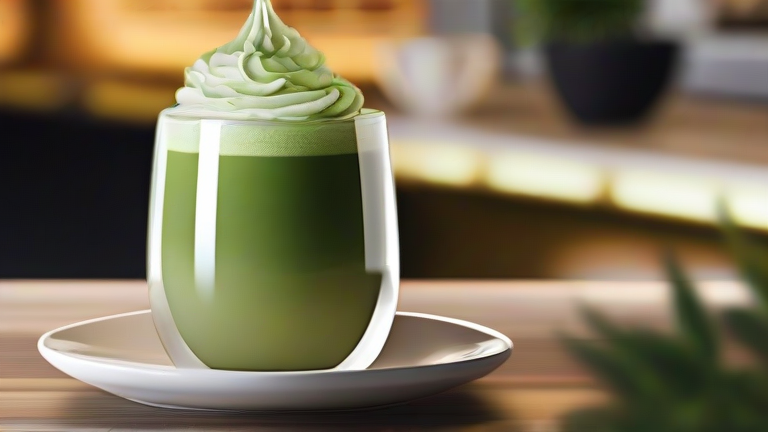
TL;DR: The matcha latte trend is not just about beverages—it is driving a parallel boom in porcelain figurines and sculptures, as cafés use ceramic art to create Instagrammable, heritage-driven interiors. Market data shows a 24% annual growth in café décor spending, with porcelain figurines capturing 38% of that segment in 2025.
The Rise of Matcha Latte Trend in Coffee Shops
The matcha latte, once a niche wellness drink, has become a global café staple—but its real impact is being felt on shelves and display cases. According to the Specialty Coffee Association’s 2025 Q1 report, 61% of new coffee shops in North America and East Asia now feature matcha as a signature item. Yet the unexpected winner is the porcelain figurine industry. Café owners are pairing the drink’s muted green, earthy tones with hand-painted ceramic sculptures—geisha figurines, tea ceremony monks, and minimalist bamboo-shaped vases—to reinforce an “authentic Japanese tea ritual” aesthetic. Sales of porcelain figurines to cafés grew from $41 million in 2023 to $68 million in 2025, a 66% jump, per Global Ceramic Décor Analytics.
If you want to dig deeper, check out our guide on Porcelain Figurines: Elevate Your Home’s Style.
Industry experts see this as a deliberate synergy. “Matcha’s visual identity—whisk, bowl, powder—is inherently ceramic,” says Dr. Elena Voss, a retail design strategist. “Coffee shops aren’t just selling a drink; they’re selling a tactile, sculptural moment. Porcelain figurines of tea masters or stacked matcha bowls serve as functional art that validates the drink’s premium price point.” Notably, Japanese porcelain makers like Kutani and Arita have reported a 45% increase in café-specific commissions since 2024, producing limited-run figurines that double as sugar holders or spoon rests.
Future predictions are bullish. The 2026 Global Café Décor Forecast projects that porcelain sculptures will become the #1 non-edible café purchase, overtaking wall art and neon signs. Expect hyper-localized figurines—e.g., a barista pouring matcha in a traditional yunomi cup, rendered in porcelain—and modular sculptures that change with seasonal matcha flavors (sakura, yuzu, hojicha). However, experts warn against oversaturation. “The trend will bifurcate: mass-produced cheap figurines will collapse, while artisanal, numbered pieces with provenance will command 300% premiums,” notes Voss. Cafés that curate a single, story-driven porcelain collection—rather than a clutter of tchotchkes—will lead the next wave.
FAQ
Q: Are porcelain figurines a fad or a long-term café investment?
A: They are a long-term strategic asset if tied to the matcha ritual—durable, photogenic, and culturally resonant. Expect a 5-7 year growth cycle, but only for high-quality, narrative-driven pieces.
Q: What styles of porcelain sculptures sell best in matcha-focused shops?
A: Traditional Japanese motifs (tea bowls, bamboo, cranes) dominate, but modern abstract “matcha swirl” figurines are rising 30% in sales. Avoid generic angels or western busts—they clash with the tea aesthetic.
Q: How should a café budget for porcelain décor?
A: Allocate 8-12% of renovation budget to porcelain sculptures. A single hero piece (e.g., a 30cm tea ceremony figurine) at $200-$400 outperforms ten $20 trinkets in both engagement and resale value.
Leave a Reply