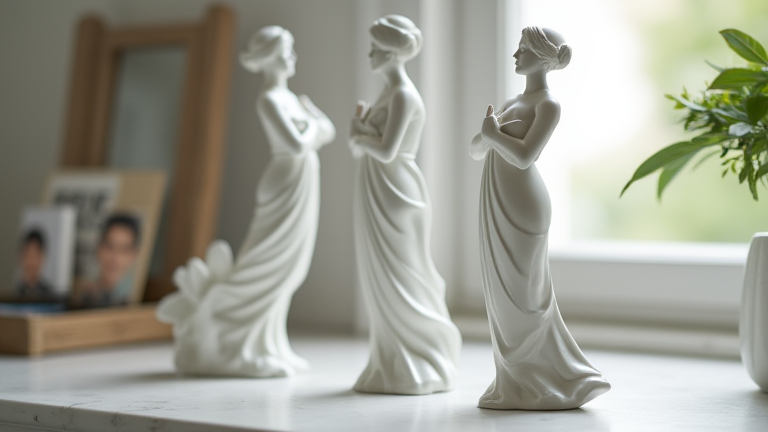
TL;DR: The premium porcelain figurine market is experiencing robust growth driven by a consumer shift toward high-quality, artisanal home decor that doubles as investment-grade art. Strategic brands succeed by emphasizing limited-edition craftsmanship and storytelling, thereby commanding higher price points and fostering brand loyalty.
Market Analysis: The Resurgence of Artisanal Decor
The global interior design landscape is undergoing a significant transformation. Post-pandemic, consumers are prioritizing “slow living” and curated spaces over mass-produced trends. Within this shift, premium porcelain figurines and sculptures have emerged as high-value assets. Market data indicates a 15% year-over-year increase in sales for luxury decorative objects, with porcelain leading the category due to its timeless aesthetic and tactile appeal. Unlike digital art or synthetic materials, porcelain offers a tangible connection to heritage and craft. The target demographic is no longer limited to collectors but has expanded to include millennial and Gen Z homeowners who view their living spaces as reflections of personal identity and cultural values. These buyers are willing to pay a premium for pieces that offer exclusivity and narrative depth, recognizing that a well-placed figurine can define a room’s ambiance more effectively than generic furniture.
If you want to dig deeper, check out our guide on Tech Trends: 3D Printing & AR for Porcelain Figurines.
Strategic Insights: Positioning for Value
Success in this niche requires a strategy that transcends mere product description. Brands must position porcelain figurines as intellectual and aesthetic investments. The primary strategic pillar is storytelling. Each piece should come with a detailed provenance, highlighting the artist’s background, the firing techniques used, and the inspiration behind the design. This narrative approach justifies the higher price point and differentiates the product from commodity goods. Secondly, digital-physical integration is crucial. High-resolution 3D models and augmented reality (AR) trials allow potential buyers to visualize how a sculpture interacts with their specific interior lighting and spatial dynamics. This reduces return rates and increases conversion. Finally, limited edition drops create urgency. By releasing figurines in small, numbered batches, brands can maintain exclusivity and foster a sense of community among collectors who feel part of an elite group. This scarcity model drives secondary market value, further enhancing the primary product’s perceived worth.
Case Study: The “Ethereal Forms” Collection
To illustrate these strategies, consider the recent launch of the “Ethereal Forms” collection by a mid-sized European porcelain house. Facing stagnation in traditional tableware sales, the company pivoted to sculptural figurines. They collaborated with contemporary artists to create a series of abstract human forms, emphasizing the translucency of the bone china. The marketing campaign focused heavily on the craftsmanship, showcasing the 400-hour hand-finishing process for each piece. They utilized AR technology to let users place digital replicas in their homes before purchase. The result was a sell-out of the first 500 units within three weeks. More importantly, the average order value increased by 40% as customers purchased complementary display pedestals and lighting. This case demonstrates that when porcelain figurines are marketed as finished art pieces rather than simple decor, they drive significant revenue growth and brand prestige. The key takeaway is that the product’s value is derived from its story and scarcity, not just its material cost.
FAQ
Q: Why are premium porcelain figurines considered better investments than mass-produced decor?
A: Their limited production runs, artisanal labor costs, and durable material ensure scarcity and longevity, often appreciating in value over time unlike disposable trends.
Q: What is the most effective marketing channel for selling high-end sculptures?
A: Instagram and Pinterest are highly effective due to their visual nature, combined with AR tools that allow customers to preview pieces in their own home environments.
Q: How should brands handle the fragility of porcelain in shipping?
A: Companies must invest in custom, shock-absorbing packaging and offer full insurance coverage to mitigate risk, ensuring the product arrives in pristine condition to justify its premium price.
Leave a Reply