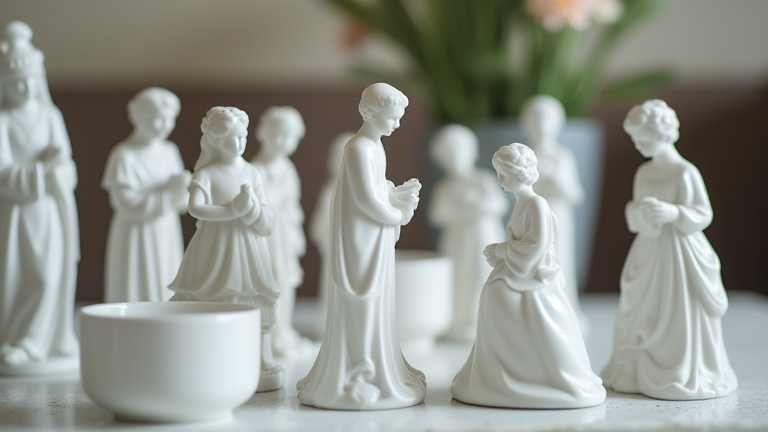
Porcelain Figurines & Your Health: Hidden Risks & Safe Display
TL;DR: While rare, antique porcelain may contain lead glazes that leach into food or accumulate dust, posing minor health risks. Modern, certified lead-free figurines are safe for display when kept clean and out of reach of pets and young children.
Porcelain figurines and sculptures have long been cherished as decorative elements in homes, adding elegance and artistic value to living spaces. However, recent consumer safety reports and health studies have highlighted potential hidden risks associated with these items, particularly older pieces. Understanding these risks is crucial for maintaining a healthy home environment, as improper handling or display can introduce contaminants into your living space.
If you want to dig deeper, check out our guide on Porcelain Figurine Safety: Lead, Toxins & Health Tips.
The Lead Glaze Concern
One of the primary health concerns regarding porcelain figurines is the presence of lead in older glazes. Before modern regulations, lead oxide was commonly used in ceramic glazes to achieve a glossy finish and vibrant colors. In antique pieces, the glaze may be worn or chipped, potentially releasing lead particles into the air or onto surfaces. While the amount is usually negligible, chronic exposure to lead dust, even in small quantities, can affect neurological function, particularly in children and pregnant women. Modern porcelain produced after the 1970s is typically regulated to be lead-free, but it is still wise to verify the origin of any vintage collection.
Microbial Growth and Dust Accumulation
Beyond chemical risks, porcelain surfaces can harbor biological hazards if not maintained properly. The intricate details of sculptures create small crevices where dust, pollen, and mold spores can accumulate. These allergens can trigger respiratory issues such as asthma or allergic rhinitis in sensitive individuals. Furthermore, if figurines are placed near humid areas, like bathrooms or kitchens, the porous nature of unglazed porcelain bases can absorb moisture, leading to mildew growth. This not only damages the item but also degrades indoor air quality.
Safe Display and Maintenance Tips
To mitigate these risks, adopt a proactive maintenance routine. First, ensure that any porcelain item used for decorative purposes is never used for food storage or serving. If you own antique pieces, consider having them professionally tested for lead content. For daily care, dust your figurines gently with a dry, soft microfiber cloth to prevent the buildup of particulate matter. Avoid using chemical cleaners, which can degrade glazes and release fumes. Instead, use a mild, pH-neutral soap solution for deeper cleaning, ensuring the item is dried completely before returning it to its display shelf.
Placement is equally important. Display porcelain sculptures in low-humidity areas away from direct sunlight, which can cause thermal expansion and cracking. Keep figurines on sturdy, stable surfaces to prevent breakage, as shards of ceramic can be a physical hazard. Additionally, keep these items out of reach of pets, who may chew on them, and young children, who might ingest small broken pieces. By following these science-backed lifestyle tips, you can enjoy the beauty of your porcelain collection while safeguarding your household’s health.
FAQ
Q: Are modern porcelain figurines safe to touch?
A: Yes, modern porcelain is generally safe and non-toxic. Always wash your hands after handling any decorative item to prevent transferring dust or potential residues to your face.
Q: How can I tell if my antique porcelain contains lead?
A: Look for a “lead-free” stamp on the bottom. If absent, send a sample to a certified lab for X-ray fluorescence analysis to determine glaze composition safely.
Q: Should I display porcelain in the kitchen?
A: It is best to avoid displaying porcelain in kitchens where steam and grease can accumulate. Choose living rooms or hallways with lower humidity to preserve both health and item integrity.
Leave a Reply