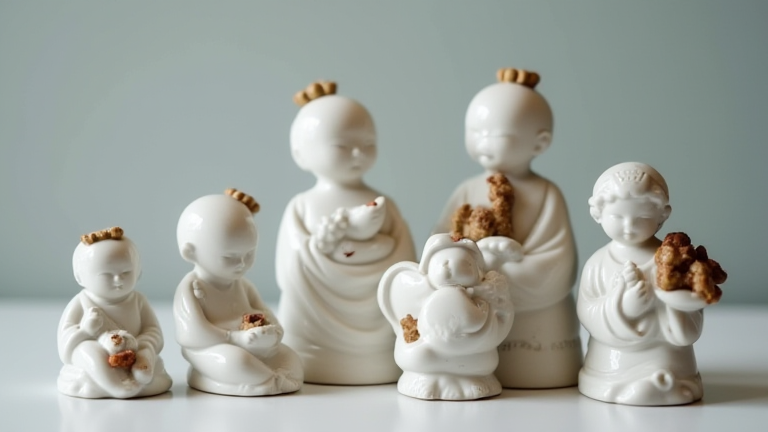
**Porcelain Figurines & Your Health: Hidden Risks Revealed**
TL;DR: Porcelain figurines pose minimal health risks if properly glazed and stored away from high-traffic areas. The primary concerns are physical injury from breakage and potential lead exposure from unglazed or antique pieces.
Collecting porcelain figurines is a cherished hobby for many, offering aesthetic beauty and cultural connection. However, understanding the material science behind these decorative items is crucial for maintaining a safe living environment. While modern porcelain is generally inert, the glazes used in manufacturing can contain trace amounts of heavy metals, including lead and cadmium. These elements leach into the surface over time, especially if the glaze is damaged or if the piece is frequently handled without washing hands afterward. For contemporary items purchased from reputable manufacturers, regulatory standards ensure that lead content is well below toxic thresholds. Nevertheless, antique figurines or those imported from regions with lax manufacturing controls may present a higher risk. It is advisable to avoid placing food or drink near such items and to wash hands thoroughly after handling them. This simple hygiene practice significantly reduces the likelihood of ingesting trace contaminants.
If you want to dig deeper, check out our guide on 3D Printing Tech: The Future of Porcelain Figurines.
Physical Safety and Home Environment
Beyond chemical exposure, the physical fragility of porcelain presents a distinct safety hazard. Porcelain is hard but brittle, meaning it shatters rather than bends when subjected to impact. A fallen figurine can create sharp shards that pose a laceration risk to both humans and pets. To mitigate this, use protective display stands with secure bases. Avoid placing heavy or tall figurines on unstable surfaces like wobbly shelves or near windows where drafts or vibrations might cause them to topple. Additionally, consider using glass display cases for valuable pieces. These enclosures not only protect the figurines from dust and accidental knocks but also contain any potential breakage, making cleanup safer and more efficient. Regularly inspect your collection for hairline cracks, as these can weaken the structure and lead to sudden failure.
From a psychological wellness perspective, curated displays of porcelain can enhance mental well-being by creating a sense of order and beauty. Engaging in the careful arrangement and maintenance of these items can serve as a meditative practice, reducing stress levels. However, the obsession with collecting can sometimes lead to anxiety regarding preservation. Setting boundaries for your collection size and ensuring that your display area is accessible without requiring risky ladder work can help maintain a healthy balance between hobby and health. If you notice any signs of respiratory irritation or digestive issues after handling new porcelain items, consult a healthcare professional to rule out metal toxicity. Always prioritize proper ventilation in rooms where you spend time cleaning or organizing your collection. By adopting these proactive measures, you can enjoy the artistic beauty of porcelain figurines while safeguarding your physical and mental health. The key lies in informed handling and mindful display practices.
FAQ
Q: Is it safe to display antique porcelain figurines in a kitchen?
A: It is not recommended due to the risk of lead leaching from older glazes and potential cross-contamination with food surfaces.
Q: How should I clean a porcelain figurine to avoid health risks?
A: Use a soft, damp cloth and mild soap, avoiding abrasive scrubbers, and wash your hands thoroughly with soap and water immediately after handling.
Q: What should I do if a porcelain figurine breaks in my home?
A: Wear thick gloves and safety glasses, sweep up large shards carefully, use a damp paper towel to pick up small fragments, and dispose of all debris in a sealed bag.
Leave a Reply