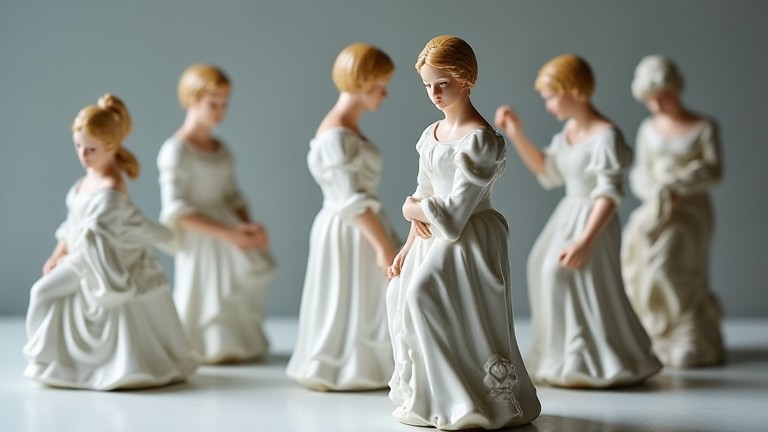
TL;DR: Porcelain figurines pose no direct health threat to collectors, but dust accumulation, lead-based glazes on vintage pieces, and display-related falls are the real risks to manage. Safe collecting means dusting regularly, testing older glazes, securing shelves, and keeping display areas well ventilated.
Why Porcelain Figurines Get a Bad Health Rap
Search online and you’ll find claims that porcelain figurines emit harmful radiation, harbor toxic mold, or trigger allergies. The science tells a calmer story. Modern porcelain is fired at temperatures above 1,200°C, producing a vitrified, non-porous surface that doesn’t off-gas or shed fibers. The genuine concerns are narrower: dust, lead in pre-1970s glazes, and physical hazards like tipped shelves.
If you want to dig deeper, check out our guide on Health Benefits of Collecting Porcelain Figurines and Sculpt.
The Real Risks—and How to Handle Them
Dust is the most common issue. A shelf of figurines collects particulate matter that can aggravate asthma and allergies. A 2019 study in Indoor Air found that decorative objects are among the top household dust reservoirs. Wipe figurines monthly with a microfiber cloth and display them behind glass where possible.
Lead glazes are the second concern. Vintage and imported figurines made before stricter regulations may leach lead, especially if chipped or used as food-contact items. The CDC advises keeping such pieces out of kitchens and washing hands after handling damaged glazes. A home lead swab test costs under $15 and gives quick peace of mind.
Third, falls. Heavy porcelain sculptures on high shelves are a genuine injury risk during earthquakes or accidental bumps. Anchor bookcases to walls, use museum putty under bases, and avoid displaying large pieces above head height.
Lifestyle Tips for Healthy Collecting
Keep display rooms ventilated and humidity between 40–50% to prevent mold on bases and labels. Wear a dust mask when cleaning large collections, and avoid aerosol polishes that leave residue. If you have young children or pets, place fragile figurines on enclosed cabinets rather than open shelving. Finally, rotate pieces seasonally—fewer items on display means less dust and lower fall risk.
FAQ
Q: Do porcelain figurines emit radiation?
A: No. Fired porcelain contains trace naturally occurring minerals, but radiation levels are far below any safety threshold and comparable to background levels in soil or stone.
Q: Can vintage figurines cause lead poisoning?
A: Only if glazes are chipped, degraded, or the piece is used for food or drink. Display-only handling with handwashing poses minimal risk, but test suspect pieces with a lead swab.
Q: How often should I clean my collection?
A: Dust lightly every two to four weeks with a microfiber cloth. Deep-clean delicate pieces twice yearly using a soft brush and distilled water—never harsh chemicals.
Leave a Reply