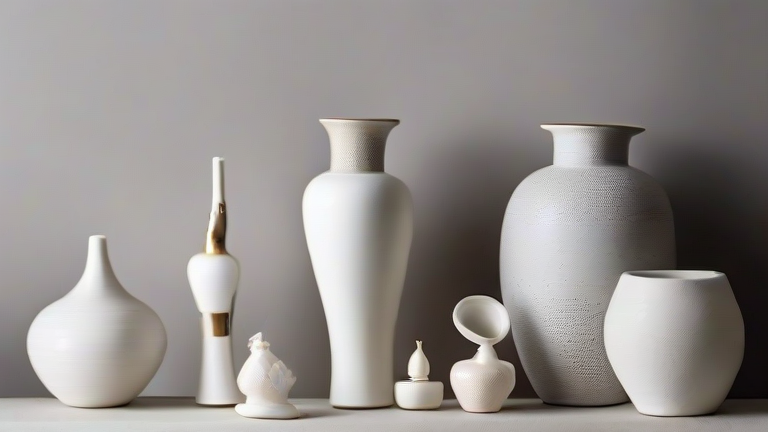
TL;DR: Porcelain figurines do not directly alter physiological health markers, but they significantly enhance psychological well-being through aesthetic appreciation and mindfulness. Displaying curated ceramic sculptures can reduce stress levels and improve mood by fostering a sense of calm and personal connection within living spaces.
The Psychological Connection to Art
While porcelain figurines are inanimate objects, their presence in a home or office can have a profound impact on mental health. Research in environmental psychology suggests that our surroundings heavily influence our emotional states. A well-chosen ceramic sculpture serves as a focal point for the eye, reducing cognitive load and allowing the mind to rest. This concept, known as “soft fascination,” is central to Attention Restoration Theory. When you gaze at a delicate porcelain piece, your brain shifts from directed attention to effortless attention, which helps replenish mental resources depleted by daily stressors.
If you want to dig deeper, check out our guide on Porcelain Figurines & Sculptures: A Business Guide.
Creating a Calming Environment
To harness the wellness benefits of ceramic art, consider how you display your collection. Avoid cluttered shelves, which can trigger feelings of overwhelm. Instead, use negative space to highlight individual pieces. A single, high-quality porcelain figurine on a clean console table can create a sense of order and tranquility. The smooth texture and often pastel or neutral colors of porcelain contribute to a visually soothing environment. Studies indicate that visual harmony is linked to lower cortisol levels. Therefore, curating a display that feels balanced and intentional is a simple yet effective lifestyle tip for improving daily well-being. The act of curation itself can be a mindful practice, encouraging you to be present and deliberate in your choices.
Mindfulness and Tactile Interaction
Beyond visual appreciation, interacting with ceramic objects can enhance mindfulness. Holding a porcelain figurine allows you to focus on its temperature, weight, and texture. This tactile engagement grounds you in the present moment, similar to meditation practices. The fragility of porcelain also serves as a metaphor for the importance of care and patience in life. Handling these objects with gentle care can cultivate a sense of responsibility and mindfulness. Furthermore, collecting porcelain can provide a sense of purpose and accomplishment. The hobby of sourcing and displaying art fosters social connections, as collectors often share their passions with others. This social engagement is a key component of long-term health and happiness. By integrating art into your daily routine, you create small moments of joy and reflection that counterbalance the fast-paced nature of modern life.
Practical Tips for Integration
Start by selecting a few pieces that resonate with you emotionally. Place them in areas where you spend significant time, such as your reading nook or workspace. Ensure they are free from dust to maintain their aesthetic appeal, as cleanliness contributes to a sense of well-being. Rotate your display seasonally to keep the visual experience fresh. This periodic change can stimulate new perspectives and maintain interest. Remember, the goal is not to fill your space with objects, but to create a harmonious environment that supports your mental health. By thoughtfully integrating porcelain figurines into your life, you can enhance your overall sense of well-being and create a sanctuary from the outside world.
FAQ
Q: Can porcelain sculptures cause allergies?
A: High-quality, lead-free porcelain is generally hypoallergenic and safe for indoor display, but ensure you purchase from reputable sources to avoid toxic glazes.
Q: How do I clean porcelain figurines safely?
A: Use a soft, dry cloth to dust them gently; avoid water or harsh chemicals that could damage the glaze or structural integrity.
Q: Is collecting art a good stress reliever?
A: Yes, the curation process promotes mindfulness and provides a sense of accomplishment, which can significantly reduce stress levels over time.
Leave a Reply