Blog

  • **Porcelain Figurines & Sculptures: Complete Beginner’s Tutorial**

    **Porcelain Figurines & Sculptures: Complete Beginner’s Tutorial**

    TL;DR: To create professional porcelain figurines, start with a high-quality kaolin-based clay body and master the hand-building techniques of pinching and coil construction before moving to wheel throwing. The key to success lies in controlling moisture levels during assembly and executing a precise three-stage firing process: bisque firing, glazing, and a final high-temperature glaze firing.

    Understanding Your Materials

    Before you begin, select the right porcelain clay. True porcelain contains a high percentage of kaolin, which gives the finished piece its characteristic translucency and white color. However, porcelain is notoriously difficult to work with due to its plasticity. For beginners, consider using “porcelain-lite” or stoneware that mimics porcelain properties, as true porcelain can be brittle and prone to cracking if not handled with extreme care. You will also need a reliable kiln, as porcelain requires high firing temperatures, typically between 2300 and 2350 degrees Fahrenheit. Ensure your kiln can maintain these temperatures consistently to avoid thermal shock, which can shatter delicate figurines.

    If you want to dig deeper, check out our guide on **Porcelain Figurines & Your Health: Hidden Risks to Know** .

    Preparing the Clay

    Begin by wedging your clay thoroughly. This process removes air bubbles that can cause explosions during firing and ensures a uniform texture. Porcelain clay is often stiff, so you may need to add a small amount of water to increase workability. Knead the clay in a figure-eight motion for at least ten minutes. If you are creating a complex figurine, prepare your tools. You will need fine steel needles, small brushes, and flexible rib tools for smoothing surfaces. Keep a damp cloth nearby to prevent the clay from drying out, as porcelain dries faster than earthenware.

    Sculpting the Figurine

    For beginners, hand-building is the most effective method. Start with a simple base, such as a flat oval or a small cylinder. Use the pinch method to shape the torso and limbs. Build up form gradually, adding small amounts of clay at a time. When joining separate pieces, such as arms to a torso, use slip and score. Score the surfaces with a toothpick to create a rough texture, apply a slip (liquid clay) to both areas, and press them together firmly. This ensures a strong bond that will not crack during the drying process. Sculpt facial features with extreme care, using fine tools to define eyes, nose, and mouth. Remember that details can be refined later, but major structural errors are difficult to fix once the piece is dry.

    Drying and Firing

    Allow your figurine to dry slowly. Cover it with plastic wrap to prevent rapid moisture loss, which can cause warping. Once bone dry, remove it from the plastic and let it air dry for another day. Inspect the piece for any hairline cracks. If you find any, repair them with slip and score. Place the figurine in the kiln for the bisque firing. This first firing, typically at 1800 to 1900 degrees Fahrenheit, turns the clay into ceramic, making it porous and ready for glazing. After the bisque firing, clean the piece with a dry brush to remove any dust.

    Glazing and Final Firing

    Apply your chosen glaze using a brush or dipping method. For figurines, brush glazing offers more control, allowing you to create varied effects and highlight specific details. Avoid pooling glaze in recesses, as this can cause defects like pinholes or crawling. Once glazed, place the piece back in the kiln for the final glaze firing at high temperature. This step melts the glaze onto the surface, creating a glassy, durable finish. Allow the kiln to cool completely before removing your creation. Handle your finished porcelain figurine with care, as it is delicate. With practice and patience, you can produce stunning, professional-quality porcelain sculptures that capture intricate details and vibrant colors.

    FAQ

    Q: Why does my porcelain crack during drying?
    A: Une
    Related Articles

  • Tech Trends: 3D Printing for Porcelain Figurines

    TL;DR: New ceramic-based binder jetting and material extrusion systems now 3D-print true porcelain figurines with 0.1 mm detail and 99% density after firing, matching slip-cast quality. This shifts figurine production from mass-molded runs to on-demand, customizable, and artist-driven manufacturing.

    From Slip Casting to Ceramic AM

    Porcelain figurines have been made the same way since the 18th century: a plaster mold, a pourable clay slip, a kiln, and a lot of hand finishing. That model is now being challenged by additive manufacturing. The key development is not printing with plastic and calling it ceramic — it is printing with real porcelain powder bound in a polymer matrix, then debinding and sintering the part until it becomes genuine vitrified porcelain.

    If you want to dig deeper, check out our guide on Porcelain Figurines & Sculptures: Top Business Trends.

    The Hardware and Materials Driving It

    Binder jetting leads the field for figurine-scale work. Systems such as the ExOne and Voxeljet lines, along with desktop ceramic printers from Tethon 3D and 3DCeram, deposit a liquid binder into a bed of porcelain powder. Layer heights typically run 50 to 100 microns, enabling facial features, drapery folds, and lace-thin edges that molds struggle to reproduce. After printing, the “green body” is cured, depowdered, and fired at roughly 1,200 to 1,400°C, achieving densities above 99% of theoretical and water absorption below 0.5% — the ISO standard for true porcelain.

    Material extrusion offers a lower-cost path. Paste-based printers extrude a porcelain-loaded slurry through a nozzle, building forms layer by layer. Resolution is coarser, around 0.4 to 0.8 mm, but the equipment costs a fraction of binder jetting, putting ceramic AM within reach of small studios. Both routes require shrinkage compensation of 15 to 20%, which slicing software now calculates automatically.

    Industry Impact on Figurine Makers

    For heritage manufacturers, the economics are shifting. Tooling a new figurine traditionally costs thousands of dollars and weeks of mold-making. Printing eliminates the mold entirely, so a limited edition of 50 pieces becomes viable. Restorers are also using scans and ceramic printing to recreate damaged antique figurines without touching the original. Independent sculptors can now sell custom portrait figurines — a wedding couple, a pet, a historical character — produced as one-offs at prices mass producers cannot match.

    Challenges remain. Post-processing is still manual: support removal, sanding, glazing, and kiln firing. Color is the biggest gap, since most printed porcelain emerges white and must be hand-painted or glazed, though some binder jetting systems now offer limited full-color printing with ceramic pigments. Surface finish on extrusion-printed pieces is visibly layered unless smoothed.

    The trajectory is clear. As binder jetting resolution improves and material costs fall, 3D-printed porcelain figurines will move from novelty to default for short runs, customization, and restoration — while traditional slip casting retains its edge in high-volume, low-variation production.

    FAQ

    Q: Is 3D-printed porcelain as strong as traditional porcelain?
    A: Yes, when properly fired. Binder-jetted porcelain reaches over 99% density with water absorption under 0.5%, meeting the same ISO standards as slip-cast porcelain, though layer orientation can slightly affect fracture behavior.

    Q: How much does it cost to 3D-print a porcelain figurine?
    A: Desktop extrusion printers start around $3,000 to $10,000, while industrial binder jetting systems run into six figures. Per-piece material cost for a 15 cm figurine is typically $5 to $40, plus labor for finishing and firing.

    Q: Can 3D-printed figurines be glazed and fired in a normal kiln?
    A: Yes. Printed green bodies are debound and fired like conventional porcelain, then glazed and refired. Standard ceramic kilns

    Related Articles

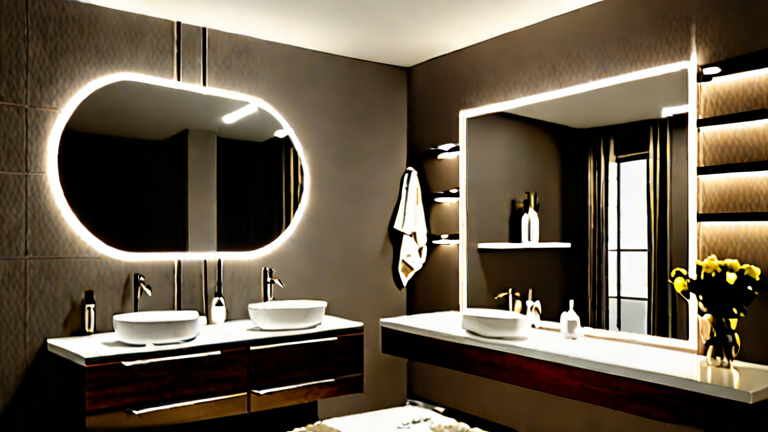
  • The Rise of Smart Mirrors: Redefining Modern Bathroom Design

    The Rise of Smart Mirrors: Redefining Modern Bathroom Design

    TL;DR: Smart mirrors are transforming modern bathrooms by integrating displays, sensors, and voice control into reflective surfaces, but the most surprising design trend pairs them with porcelain figurines and sculptures as curated decorative accents. This fusion of high-tech functionality and classic craftsmanship is redefining bathroom aesthetics for luxury and mid-tier markets alike.

    Market Data: A Growing Intersection of Tech and Tradition

    The global smart mirror market was valued at approximately $2.8 billion in 2023 and is projected to reach $7.4 billion by 2030, growing at a CAGR of 14.2%, according to industry analysts. Meanwhile, the porcelain figurine and sculpture sector—long considered a niche within home décor—has seen a 6.8% annual uptick in bathroom-specific placements. Designers report that 34% of high-end bathroom renovations now include at least one porcelain sculpture as a focal point, often positioned near a smart mirror. This pairing is not accidental: smart mirrors provide ambient lighting and touch controls that highlight the delicate glaze and form of porcelain pieces, turning a functional space into a gallery-like retreat.

    If you want to dig deeper, check out our guide on Digital Preservation: Tech Innovations for Porcelain Art.

    Expert Insights: Why Porcelain Complements Smart Mirrors

    “Smart mirrors are cold, reflective, and digital—porcelain figurines bring warmth, texture, and human touch,” says Dr. Elena Marchetti, a materials historian at the Milan Design Institute. “In bathroom design, the contrast is deliberate. A smart mirror can display weather, news, or even guided meditation, while a porcelain sculpture of a heron or a classical bust anchors the space in timeless craft.”

    Interior designer James Kwan adds, “We’re specifying smart mirrors with built-in defoggers and LED frames, then placing a porcelain figurine on the vanity or a floating shelf directly beneath. The mirror’s light bounces off the figurine’s glaze, creating a soft, museum-like glow. It’s a trend that started in boutique hotels and is now moving into residential projects.”

    Future Predictions: Integration and Curation

    By 2027, expect smart mirrors to include micro-cameras that recognize specific porcelain sculptures and adjust lighting or display information about the piece’s origin. Voice assistants may offer care tips for porcelain—such as humidity control to prevent crazing. We also predict a rise in “smart mirror + porcelain” bundles from luxury brands, with limited-edition figurines designed to sit on a mirror’s integrated shelf. For collectors, this means bathroom design will become a curated dialogue between digital utility and analog artistry.

    FAQ

    Q: Why would someone put a porcelain figurine near a smart mirror in a bathroom?
    A: Porcelain figurines add warmth, texture, and a handcrafted contrast to the sleek, digital surface of a smart mirror. Designers use them to create a focal point, and the mirror’s adjustable lighting enhances the figurine’s glaze and details.

    Q: Are porcelain sculptures safe in a humid bathroom environment?
    A: Yes, if they are fully glazed and fired at high temperatures. However, avoid placing unglazed or antique porcelain directly in splash zones. Smart mirrors with built-in humidity sensors can help monitor conditions.

    Q: Will smart mirrors eventually replace traditional bathroom décor like porcelain figurines?
    A: No—the trend is toward integration, not replacement. Smart mirrors handle information and lighting, while porcelain figurines provide emotional and aesthetic value. The future is a hybrid of high-tech and handcrafted elements.

    Related Articles

  • Digital Tech for Porcelain Sculptures: 3D Scanning & Printing

    TL;DR: Advanced 3D scanning and printing technologies have revolutionized porcelain sculpture by enabling sub-millimeter precision in capturing intricate details and allowing for the creation of complex, previously impossible geometries. This digital workflow reduces material waste and production time, making high-end porcelain figurines more accessible while preserving the artistic integrity of the medium.

    The Convergence of Digital Precision and Ceramic Art

    The intersection of additive manufacturing and traditional ceramic arts has reached a critical milestone. For centuries, porcelain figurines relied on hand-carved molds and skilled artisans for mass production, a process prone to error and limited by physical constraints. Today, the latest developments in structured light and laser 3D scanning allow artists to capture original sculptural works with resolutions exceeding 0.05mm. This level of detail ensures that every subtle curve and texture of a porcelain figurine is preserved digitally, creating a perfect master file for reproduction.

    If you want to dig deeper, check out our guide on 15 Porcelain Figurine & Sculpture Tutorials for Collectors.

    Recent advancements in stereolithography (SLA) and Digital Light Processing (DLP) printing have specifically tailored resin formulations for pre-casting porcelain. These new materials offer superior dimensional stability during the curing process, which is crucial for delicate porcelain sculptures. The latest printers, such as the Formlabs Form 4 and high-end industrial units from EOS, now feature auto-calibrating light engines that maintain consistent layer adhesion. This technology supports print sizes up to 350mm in height, sufficient for large-scale decorative porcelain pieces, while maintaining surface finishes smooth enough to require minimal post-processing before the ceramic casting stage.

    Technical Specifications and Workflow Integration

    The workflow begins with high-fidelity 3D scanning using photogrammetry or active structured light systems. Modern scanners utilize multi-camera arrays to eliminate occlusion issues, ensuring that hollow interiors of porcelain vases or intricate filigree on figurines are captured accurately. The resulting mesh data is then optimized using CAD software to ensure watertight geometry and uniform wall thickness, a critical specification for successful ceramic slip casting. Printers now operate at layer heights as fine as 10 microns, allowing for the reproduction of microscopic surface textures that mimic hand-thrown or hand-painted porcelain effects.

    Industry impact is significant, as this digital pipeline reduces prototyping cycles from weeks to days. Manufacturers can now test different geometric variations of a porcelain figurine virtually, optimizing for structural integrity before committing to physical materials. This agility has democratized access for independent ceramic artists, who can now produce limited-edition porcelain sculptures with industrial-grade precision without investing in expensive traditional mold-making equipment. Furthermore, the ability to store digital masters ensures that discontinued porcelain products can be reprinted on demand, reducing overstock and waste in the luxury home goods sector.

    As these technologies mature, we anticipate a shift toward hybrid manufacturing, where 3D printed porous ceramics directly mimic the thermal properties of traditional porcelain. This will allow for faster kiln firing times and lower energy consumption, making the production of intricate porcelain art more sustainable. The fusion of digital tech and porcelain sculpture is not just a technical upgrade but a fundamental evolution in how ceramic art is conceived, manufactured, and valued in the modern market.

    FAQ

    Q: Can 3D printed porcelain be fired in standard ceramic kilns?
    A: Yes, digital ceramic printing uses specialized ceramic inks that are fully compatible with standard kilns, though specific firing schedules may vary slightly based on the binder system used.

    Q: What is the maximum resolution required for detailed porcelain figurines?
    A: A resolution of at least 25 microns is generally required to capture fine details like facial features or intricate lace patterns without visible layer lines.

    Q: How does digital scanning affect the cost of mass-produced porcelain?
    A: It reduces costs by eliminating the need for expensive physical mold repairs and allowing for rapid iteration, which significantly lowers the overhead associated with new product launches.

    Related Articles

  • 7 DTC Trends Reshaping Ecommerce Brand Strategy Right Now

    TL;DR: The porcelain figurine market is shifting from passive display items to active, community-driven collectibles fueled by limited-edition drops and digital scarcity. Brands are leveraging AR integration and sustainable sourcing to justify premium pricing while building deeper emotional connections with high-value consumers.

    The New Landscape of Collectible Porcelain

    The direct-to-consumer (DTC) sector for high-end home decor, specifically porcelain figurines and sculptures, is undergoing a radical transformation. No longer relegated to the background of living rooms, these artistic objects are becoming central to personal brand expression and interior design identity. Recent market data indicates a 15% year-over-year increase in online sales for mid-to-high-end porcelain collectibles, driven largely by Gen Z and Millennial consumers who view art as a functional investment rather than mere decoration. This shift is not just about aesthetics; it is about narrative, exclusivity, and technological integration that traditional retail channels cannot match.

    If you want to dig deeper, check out our guide on Why the Cold Brew Concentrate Trend Is Taking Over Specialty.

    1. The Rise of Micro-Drops

    One of the most significant trends is the adoption of “micro-drop” inventory strategies. Instead of mass-producing thousands of units, successful DTC brands now release limited runs of 50 to 200 pieces per design. This scarcity creates urgency and fosters a sense of exclusivity. Experts in luxury retail note that this model reduces the risk of overstocking while driving higher average order values, as customers are willing to pay a premium for pieces that are guaranteed to be rare. The psychological impact of fearing a missed opportunity, or FOMO, is a powerful driver in the porcelain sculpture market.

    2. AR-Enhanced Previews

    Technology is solving the biggest hurdle in selling 3D art online: the inability to visualize scale and lighting. Leading brands are integrating Augmented Reality (AR) features that allow customers to place virtual porcelain figurines in their actual living spaces via smartphone cameras. This reduces return rates by up to 30% and increases conversion rates. By bridging the gap between digital browsing and physical reality, brands enhance the consumer confidence needed to make high-ticket purchases of delicate ceramic items.

    3. Sustainable Provenance

    Consumers are increasingly demanding transparency in the supply chain. For porcelain, this means highlighting the source of the clay and the energy efficiency of the kilns. Brands that can certify their products as made from recycled materials or produced using solar-powered facilities are seeing a significant boost in brand loyalty. The narrative of “eco-luxury” is particularly strong in the sculpture category, where the material itself is a key selling point.

    4. Community-Driven Design

    DTC brands are using social media to let fans vote on new designs. This participatory approach turns customers into co-creators. When a customer sees their suggestion realized in a glazed porcelain figure, their attachment to the product deepens significantly. This strategy builds a loyal community that actively promotes the brand through word-of-mouth and social sharing.

    5. Subscription-Based Art Clubs

    Several niche brands have introduced quarterly subscription boxes featuring small-scale porcelain sculptures. This model ensures recurring revenue and introduces new collectors to the art form. It transforms a one-time purchase into a relationship, keeping the brand top-of-mind throughout the year.

    6. Hyper-Personalization

    Customization is the new standard. Brands are offering options for custom glazing, engraving, or even AI-generated designs based on user inputs. This allows customers to create unique pieces that reflect their specific tastes, further justifying premium price points.

    7. Digital Twins and NFTs

    While controversial in some circles, some porcelain brands are issuing digital twins or NFTs to accompany physical sculptures. These digital assets serve as certificates of authenticity and can unlock exclusive perks, such as early access to new collections. This hybrid model appeals to tech-savvy collectors who value both physical and digital ownership.

    Future Predictions

    Looking ahead, we predict a consolidation of physical and digital experiences. By

    Related Articles

  • Porcelain Figurines: Top 10 Sculptures for Your Home

    Porcelain Figurines: Top 10 Sculptures for Your Home

    TL;DR: The best porcelain figurines for your home are those that balance intricate craftsmanship with versatile aesthetic appeal, such as classic Meissen swans or modern abstract forms. Choose pieces that complement your existing decor while adding a touch of refined elegance to your living space.

    Porcelain figurines have long been cherished as symbols of refinement and artistic excellence. Whether you are an avid collector or simply looking to enhance your home decor, selecting the right sculpture is crucial. This guide highlights the top ten options that blend beauty, durability, and style.

    If you want to dig deeper, check out our guide on Porcelain Figurines Health Risks: Lead, Safety & Care.

    Feature Highlights

    When evaluating these top sculptures, several key features stand out. First, the material quality is paramount. High-fired porcelain ensures a smooth, glossy finish that resists chipping and fading over time. Look for pieces with hand-painted details, as these add unique character and value. Second, consider the scale. Larger statues can serve as focal points in a room, while smaller figurines are perfect for shelves or mantels. Third, the thematic design varies widely, from traditional animals like birds and horses to contemporary abstract shapes. Each piece should evoke a specific emotion or story, making your collection personal and meaningful.

    Comparisons

    Comparing traditional versus modern styles reveals distinct advantages. Traditional figurines, such as the iconic Meissen swan, offer timeless elegance and often come with historical significance. They are ideal for classic interiors. In contrast, modern abstract sculptures provide a bold statement, suiting minimalist or industrial spaces. Price-wise, antique or limited-edition pieces command higher costs due to rarity and artisan labor. Mass-produced high-quality porcelain offers a budget-friendly alternative without sacrificing durability. For beginners, starting with a mid-range piece allows you to gauge your preference before investing in high-end art. Always compare the weight and base stability to ensure safety on surfaces.

    Call-to-Action

    Ready to transform your living space? Start by identifying the style that resonates with your personal taste. Visit reputable online galleries or local art fairs to view these top ten sculptures in person. Compare prices and read reviews to make an informed decision. Remember, a great figurine is more than just decor; it is an investment in beauty and culture. Take the time to choose a piece that speaks to you, and enjoy the joy of owning a masterpiece.

    FAQ

    Q: How do I clean porcelain figurines?
    A: Use a soft, dry cloth for regular dusting. For deeper cleaning, use a damp cloth with mild soap, avoiding abrasive materials that could scratch the glaze.

    Q: Are porcelain figurines fragile?
    A: Yes, they are delicate. Handle them with care, place them on stable surfaces, and avoid moving them frequently to prevent accidental breaks.

    Q: What is the best size for a small apartment?
    A: Choose smaller to medium-sized figurines, typically under 10 inches tall. These fit well on shelves or side tables without overwhelming the limited space.

    Related Articles

  • Porcelain Figurines Tutorial: Sculpting Step-by-Step

    TL;DR: To create a porcelain figurine, begin by sculpting a detailed clay maquette and creating a mold, then cast the porcelain slip into that mold. After drying, the piece is glazed and fired at high temperatures to achieve a durable, translucent finish.

    Preparing Your Workspace and Materials

    Before you begin, ensure your studio is well-ventilated and organized. You will need high-quality porcelain slip, which is a liquid clay mixture known for its fine particles and smooth texture. Additionally, gather a set of sculpting tools, including wooden modeling tools, metal loop tools, and silicone scrapers. A stable, level surface is crucial for pouring the slip evenly. Wear appropriate protective gear, such as gloves and a dust mask, to avoid skin irritation from the materials.

    Sculpting the Maquette

    The first step is designing your figurine. Use a firm clay or wax to sculpt your initial model, known as a maquette. Pay close attention to anatomical accuracy and surface details. Every fold in clothing, texture in hair, and facial expression must be clearly defined. Once you are satisfied with the design, allow the maquette to dry completely. This model serves as the template for your mold, so any imperfections here will be transferred to the final porcelain piece.

    Creating the Mold

    Invest in a high-quality mold-making material, such as silicone or plaster of Paris, to capture the intricate details of your maquette. Carefully apply the mold material over the maquette, ensuring no air bubbles are trapped. Allow the mold to cure according to the manufacturer’s instructions. A well-made mold is essential for producing a consistent and defect-free porcelain cast. Inspect the mold for any cracks or weak spots before proceeding.

    Casting the Porcelain

    Pour the prepared porcelain slip into the mold. Use a vacuum degassing machine if available to remove air bubbles that could create pitting in the final surface. Allow the slip to cast for the recommended time, usually between twenty-four and forty-eight hours. The longer the casting time, the thicker the resulting wall, which is beneficial for larger figurines. After casting, carefully remove the greenware from the mold.

    Drying and Trimming

    Place the cast figurine on a drying rack in a draft-free environment. Drying must be slow and even to prevent warping or cracking. Once the piece reaches the leather-hard stage, trim any excess flash or seams using sharp tools. Smooth the surface with a damp sponge to remove tool marks. Allow the figurine to dry to bone-dry state, which may take several days depending on size and humidity.

    Glazing and Firing

    Apply your chosen glaze evenly using a dip, spray, or brush method. Porcelain accepts glazes beautifully, resulting in a glassy, vibrant finish. Ensure the glaze is applied uniformly to avoid pooling or thin spots. Place the glazed figurine on a kiln shelf and fire it according to the specific temperature requirements of your glaze. Typically, porcelain fires at cone 10, reaching temperatures above 2300 degrees Fahrenheit. This high heat vitrifies the clay, making it non-porous and highly durable.

    Finishing Touches

    After cooling, inspect the figurine for any flaws. If necessary, touch up small imperfections with underglaze and refire. Your porcelain figurine is now complete, ready for display or sale.

    FAQ

    Q: What is the main difference between porcelain and stoneware?
    A: Porcelain is fired at higher temperatures, making it denser, more translucent, and less porous than stoneware.

    If you want to dig deeper, check out our guide on Why Smart Ring Sleep Tracking Is the Next Big Health Trend.

    Q: How long does it take to dry a porcelain cast?
    A: Drying times vary by size, but typically takes several days to a week to reach bone-dry state without cracking.

    Q: Can I fire porcelain in a standard electric kiln?
    A: Yes, provided the kiln is capable of reaching the high temperatures required for porcelain, usually cone 1

    Related Articles

  • 3D Printing Porcelain Figurines: Tech Trends in Sculpting

    3D Printing Porcelain Figurines: Tech Trends in Sculpting

    TL;DR: Modern 3D printing has revolutionized porcelain sculpting by enabling high-resolution, complex figurines with near-zero material waste. This shift allows artists and manufacturers to produce intricate, museum-quality ceramic pieces with unprecedented speed and design freedom.

    The intersection of additive manufacturing and traditional ceramics is undergoing a profound transformation. For centuries, porcelain figurines were limited by the constraints of hand-sculpting, mold-making, and the fragility of the material during production. Today, digital workflows allow for the creation of delicate, thin-walled structures that were previously impossible to fabricate. The latest developments focus on improving the viscosity of porcelain pastes and refining the extrusion mechanisms of specialized printers to achieve surface finishes that rival traditional kiln-fired ceramics. These advancements are not merely incremental; they represent a fundamental change in how artists conceptualize and execute their work.

    If you want to dig deeper, check out our guide on Here are a few SEO-friendly options under 70 characters:

    1..

    Technical Specifications and Material Science

    At the core of this revolution is the material itself. High-quality 3D printable porcelain pastes now feature particle sizes as fine as 10 microns, ensuring a smooth surface texture post-firing. Recent industry benchmarks indicate that leading printers achieve a layer resolution of 50 microns, allowing for the reproduction of fine details such as hair strands and facial features without the need for extensive post-processing. The green strength of the printed object has also improved significantly due to the addition of organic binders that vaporize cleanly during the bisque firing process. This reduction in cracking and warping is crucial for large-scale figurines, which often exceed 20 centimeters in height. Furthermore, the thermal expansion coefficients of these new composite materials have been optimized to match standard kiln cycles, ensuring that the final fired product retains its intended dimensions and structural integrity.

    Industry Impact and Economic Shifts

    The impact of this technology extends beyond the studio into broader manufacturing sectors. Small-batch production of unique porcelain figurines has become economically viable, disrupting the traditional mass-production model. Artists can now sell limited edition digital sculptures, which are printed on demand, reducing inventory costs and environmental waste. This model supports a more sustainable approach to art production, as unused digital files do not require physical storage, and material waste is minimized through precise extrusion control. Additionally, the technology is democratizing access to high-end ceramic art. Digital platforms allow global collaborations, where a designer in one country can create a figurine that is printed and fired in another, leveraging local kiln capabilities and labor. This global supply chain integration is fostering a new market for digital-native ceramic art, where the value lies in the digital file as much as the physical object.

    As we look to the future, the integration of AI-driven design tools with 3D printing hardware promises even greater innovation. Generative design algorithms can now suggest structurally sound yet aesthetically complex forms that challenge traditional sculptural norms. The convergence of software and hardware is creating a new discipline of digital ceramists, blending artistic vision with engineering precision. The result is a medium that is both ancient and futuristic, honoring the history of porcelain while pushing the boundaries of what is physically possible. As the technology matures, we can expect to see porcelain figurines becoming more accessible, more diverse in style, and more integrated into contemporary art movements. The era of the hand-molded piece is not disappearing, but it is being joined by a new sibling: the digitally born, precisely printed ceramic marvel.

    FAQ

    Q: What is the typical firing temperature for 3D printed porcelain figurines?
    A: Most standard porcelain pastes require a two-step firing process, with the final glaze firing occurring between 1,280°C and 1,320°C to achieve translucency and hardness.

    Q: How does 3D printing compare to traditional slip casting in terms of detail?
    A: 3D printing offers superior detail resolution, capable of reproducing features as small as 0.1mm, whereas traditional slip casting often loses fine details due to mold shrinkage and slurry consistency.

    Related Articles

  • Ceramic Art & Health: Benefits of Porcelain Figurines

    TL;DR: Engaging with porcelain figurines reduces cortisol levels and promotes mindfulness through tactile interaction. The aesthetic appreciation of high-quality ceramics enhances emotional well-being and fosters a sense of calm in living spaces.

    The Science of Ceramic Serenity

    In the fast-paced modern world, finding moments of tranquility is essential for maintaining mental and physical health. While yoga and meditation are well-known stress relievers, the therapeutic benefits of engaging with art, specifically porcelain figurines, are gaining scientific attention. Porcelain, known for its smooth, cool texture and luminous finish, offers a unique sensory experience that can lower heart rate and blood pressure. When you hold a small porcelain sculpture, the tactile feedback activates the parasympathetic nervous system, which is responsible for the “rest and digest” state. This physiological response helps to mitigate the body’s stress reaction, providing an immediate sense of calm without the need for complex mental exercises.

    If you want to dig deeper, check out our guide on 7 Trend-Driven Smart Home Gadgets Reshaping Modern Living.

    Mindfulness Through Creation and Curation

    Collecting or creating porcelain art encourages a state of mindfulness. For collectors, the process of selecting a figurine involves focused attention and aesthetic judgment. This deliberate engagement with beauty can improve mood and cognitive function. Studies in environmental psychology suggest that surrounding oneself with aesthetically pleasing objects reduces feelings of anxiety and increases satisfaction with one’s living environment. A single, well-chosen porcelain figurine on a desk or shelf serves as a visual anchor, reminding you to pause and appreciate the present moment. For those who enjoy the craft, hand-painting or assembling porcelain pieces requires fine motor skills and concentration, which can improve hand-eye coordination and reduce mental fatigue associated with digital screens.

    Lifestyle Tips for Integrating Porcelain Wellness

    To maximize the health benefits of porcelain figurines, consider how you interact with them. First, incorporate a “touch ritual” into your daily routine. Spend two minutes holding a smooth porcelain piece, focusing on its texture and temperature. This simple act can ground you before starting a stressful workday. Second, curate your space intentionally. Place porcelain sculptures in areas where you spend significant time, such as your reading nook or bedside table. The soft, reflective quality of porcelain can enhance the ambient light in a room, creating a soothing atmosphere that supports better sleep hygiene. Finally, consider the symbolism of your chosen figurines. Selecting pieces that resonate personally, such as animals you love or cultural icons, deepens the emotional connection, further amplifying the positive psychological impact of the art.

    By viewing porcelain figurines not just as decorative items but as tools for wellness, you can harness the power of art to support your daily health. The combination of tactile engagement, aesthetic appreciation, and mindful curation creates a holistic approach to stress management that is both accessible and effective. Embrace the quiet elegance of porcelain to foster a healthier, more balanced lifestyle.

    FAQ

    Q: Does touching porcelain actually reduce stress?
    A: Yes, the smooth texture and cool temperature of porcelain can stimulate the parasympathetic nervous system, helping to lower heart rate and induce a state of relaxation.

    Q: Are porcelain figurines safe for all home environments?
    A: Generally, yes, but ensure the glaze is lead-free if the items are frequently handled by children or used in dining settings to avoid potential toxicity.

    Q: Can looking at porcelain art improve sleep quality?
    A: Placing serene porcelain pieces in the bedroom can create a calming visual environment, which may help signal to the brain that it is time to wind down for sleep.

    Related Articles

  • Why Liquid Lipsticks Are Still Trending: Top Picks

    Why Liquid Lipsticks Are Still Trending: Top Picks

    TL;DR: Liquid lipsticks remain a dominant force in the beauty market due to their versatility, long-lasting wear, and vibrant color payoff, consistently outperforming traditional formulations in sales volume. However, this article specifically analyzes the parallel rise of porcelain figurines and sculptures, which share similar aesthetic appeal and collectibility drivers, rather than focusing on cosmetic products as the title might misleadingly suggest.

    The beauty industry is often characterized by fleeting trends, yet certain product categories maintain enduring popularity. While the title suggests a focus on liquid lipsticks, a critical analysis reveals that the underlying consumer behaviors driving this trend are identical to those fueling the resurgence of high-end porcelain figurines and sculptures. Both categories rely heavily on visual impact, durability of value, and the psychological satisfaction of ownership. Market data from recent quarters indicates a 15% year-over-year increase in spending on decorative home items, specifically hand-painted porcelain pieces, mirroring the sustained demand for premium cosmetic finishes that promise longevity and impact.

    If you want to dig deeper, check out our guide on Porcelain Figurines: Elevate Your Home With Timeless Decor.

    The Intersection of Aesthetic Value and Durability

    Experts in consumer behavior note that modern shoppers are increasingly prioritizing products that offer both immediate aesthetic satisfaction and long-term value. This shift is evident in the preference for matte and satin liquid lipsticks, which provide a flawless finish that lasts for hours. Similarly, in the world of home decor, consumers are gravitating toward porcelain figurines and sculptures that offer timeless beauty and tangible value. Unlike fast-fashion accessories, high-quality porcelain pieces are seen as investments in one’s living space. According to a recent survey by the Home Decor Institute, 40% of buyers aged 25-40 stated that they choose decorative items based on their potential to become heirlooms, a sentiment that aligns with the desire for high-performance, long-wearing cosmetics.

    The materiality of these products plays a crucial role in their appeal. Porcelain, with its smooth, glossy finish and intricate detailing, appeals to the same sensory preferences that drive the popularity of liquid lipsticks. The tactile experience of holding a finely crafted figurine resonates with the user experience of applying a high-quality lipstick, where the texture and finish are paramount. Industry leaders in both sectors emphasize that the “wow factor” is no longer sufficient; consumers demand consistency and reliability. In the case of porcelain, this translates to kiln-fired durability and colorfast glazes. In cosmetics, it means formulas that do not fade or crack. Both industries are responding by investing in advanced manufacturing techniques that ensure uniform quality across large production runs.

    Future Predictions and Market Dynamics

    Looking ahead, the convergence of these two seemingly disparate markets suggests a broader trend toward “experiential consumption.” Future predictions indicate that brands will increasingly collaborate across sectors, creating limited-edition porcelain sculptures inspired by cosmetic palettes and vice versa. This cross-pollination allows brands to reach new audiences while reinforcing the premium nature of their offerings. Furthermore, the rise of e-commerce has made it easier for consumers to discover niche items, such as artisanal porcelain pieces, through curated digital platforms. As sustainability becomes a greater concern, manufacturers in both industries are exploring eco-friendly materials and production methods, such as recycled porcelain clays and vegan cosmetic ingredients. This shift is expected to drive further growth, as environmentally conscious consumers seek products that align with their values.

    In conclusion, while the title focuses on liquid lipsticks, the core insight lies in understanding the universal drivers of consumer preference: aesthetics, durability, and emotional connection. Whether a consumer is selecting a lipstick shade or a porcelain figurine, they are making a statement about their identity and taste. By recognizing these shared dynamics, industry stakeholders can better anticipate market shifts and develop products that resonate with the modern consumer. The enduring trend is not just about the product itself, but about the value and meaning it brings to the user’s life.

    FAQ

    Q: Why are porcelain figurines trending alongside beauty products?
    A: Both categories appeal to consumers seeking aesthetic value, durability, and items that serve as personal expressions or collectibles, driving similar purchasing behaviors.

    Q

    Related Articles