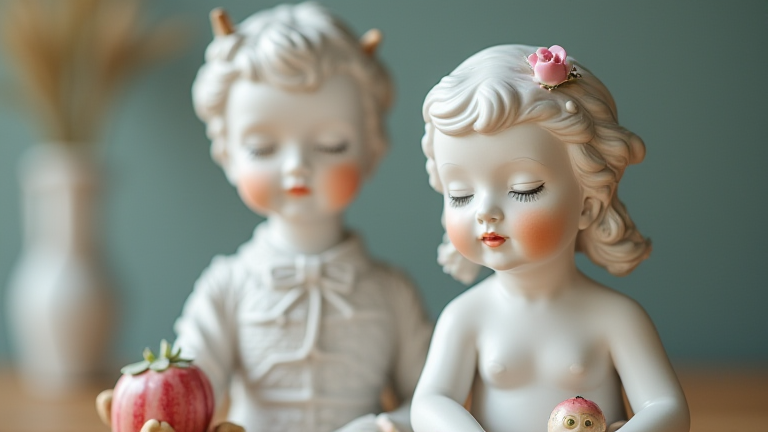
How to Care for Porcelain Figurines: A Complete Restoration Tutorial
TL;DR: Gently clean porcelain figurines using a soft, damp cloth and mild soap, avoiding abrasive materials that can scratch the glaze. For minor chips, use specialized porcelain adhesive to bond pieces securely, ensuring a seamless and durable repair.
Understanding the Material
Porcelain is a unique ceramic material known for its translucency, strength, and delicate aesthetic appeal. Unlike stoneware or earthenware, porcelain has a high firing temperature, which gives it a glass-like surface. This makes it beautiful but also susceptible to specific types of damage, such as crazing, where fine cracks appear in the glaze. Understanding that your figurine is a composite of clay, glaze, and pigment helps you approach care with the necessary caution. Always handle figurines with clean hands or cotton gloves to prevent oil transfer, which can cause long-term discoloration or weaken adhesive joints over time.
If you want to dig deeper, check out our guide on Porcelain Figurines: Top Sculpture Businesses to Watch.
Step-by-Step Cleaning Process
Begin by dusting the figurine with a soft, dry microfiber cloth to remove loose particles. This prevents scratching during the wet cleaning stage. Next, mix a few drops of mild, pH-neutral dish soap in a bowl of lukewarm water. Dip a soft cotton swab or a small, lint-free cloth into the solution and wring it out until it is just damp. Gently wipe the surface of the figurine, paying close attention to intricate details where dust accumulates. Avoid submerging the entire figurine in water unless you are certain it is unfired or specifically designed for it, as water can seep into porous areas or weaken older adhesive repairs. After cleaning, rinse with a cloth dampened with clean water to remove any soap residue. Finally, dry the piece thoroughly with a soft towel, paying extra attention to crevices to prevent water spots.
Restoring Minor Chips and Cracks
For small chips, start by cleaning the broken edges with isopropyl alcohol to remove any dust or old adhesive residue. Allow the area to dry completely. Select a high-quality, clear-drying porcelain adhesive specifically designed for ceramics. Apply a very thin layer to one of the broken surfaces. Press the pieces together firmly and hold them in place for the time recommended by the adhesive manufacturer. Use blue painter’s tape or paper clips to secure the joint if necessary, ensuring the alignment is perfect. Let the repair cure for at least twenty-four hours. If a chip is missing entirely, consider using a porcelain putty or wax filler to restore the shape before painting it to match the surrounding glaze. This step requires patience and a steady hand to achieve a professional finish.
Preventive Maintenance Tips
Prevention is always better than cure when it comes to fragile art. Store your figurines in a stable environment with low humidity and consistent temperature to prevent thermal shock, which can cause cracking. Avoid placing them in direct sunlight, as UV rays can fade vibrant pigments over time. Use a display case with UV-filtering glass for valuable pieces. When moving a figurine, support the base and the heaviest part of the sculpture to distribute weight evenly. Regularly inspect your collection for early signs of crazing or loose parts, allowing you to address issues before they become structural failures.
FAQ
Q: Can I use standard super glue on porcelain?
A: No, standard cyanoacrylate glues often turn yellow and become brittle over time, which can cause further damage. Use a specialized ceramic or porcelain adhesive instead.
Q: How do I remove old adhesive residue from a figurine?
A: Apply a small amount of acetone or nail polish remover to a cotton swab and gently dab the residue. Test on a hidden area first to ensure the glaze is not affected.
Q: Is it safe to polish porcelain with a cloth?
A: Yes, but only with a dry, soft microfiber cloth. Avoid abrasive polishes or stiff brushes,
Leave a Reply