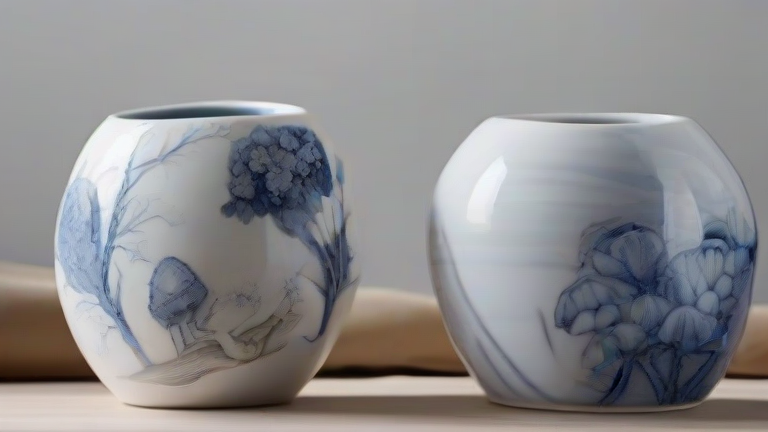
How Porcelain Sculptures Boost Mental Health: Art Therapy Benefits
TL;DR: Engaging with delicate porcelain sculptures reduces cortisol levels and enhances mindfulness through tactile interaction and aesthetic appreciation. The precision required in creating or curating these ceramic pieces fosters a meditative state that alleviates anxiety and promotes emotional well-being.
In an era dominated by digital screens and rapid information flow, the human need for tactile, slow-paced sensory experiences is growing. Porcelain, a material renowned for its translucency, fragility, and exquisite finish, offers a unique avenue for mental health improvement. Unlike rougher clays or heavier stone, the delicate nature of porcelain demands a heightened state of awareness, making the process of interacting with these sculptures a profound form of art therapy.
If you want to dig deeper, check out our guide on Elevate Your Home: Chic Porcelain Figurines & Sculpture Deco.
The Science of Tactile Calm
Research in haptic psychology suggests that smooth, cool surfaces can lower heart rate and blood pressure. Porcelain’s specific thermal conductivity and smooth finish provide a distinct sensory input that contrasts with the dry, rough textures often found in daily life. When individuals spend time handling porcelain figurines, the fine motor skills required to support their delicate structures encourage a focus on the present moment. This sustained attention acts as a form of mindfulness, interrupting the cycle of rumination and stress. Furthermore, the visual beauty of porcelain, often characterized by soft glazes and intricate details, stimulates the reward centers in the brain, releasing dopamine and promoting feelings of pleasure and contentment.
Creative Expression and Control
For those engaged in creating or assembling porcelain sculptures, the benefits extend into the realm of cognitive control. Porcelain work is unforgiving; it requires patience, steady hands, and precise planning. This necessity for precision fosters a sense of agency and control, which is often diminished in high-stress environments. Successfully completing a small porcelain piece, such as a delicate bird or a floral arrangement, provides a tangible sense of accomplishment. This boost in self-efficacy can translate into greater confidence and resilience in other areas of life. The fragility of the material also teaches acceptance and adaptability, as minor imperfections are often integrated into the final piece, reflecting the Japanese concept of *kintsugi* where beauty is found in imperfection.
Practical Lifestyle Integration
You do not need to be a professional artist to reap these benefits. Start by incorporating small porcelain objects into your daily environment. Place a delicate figurine on your desk or nightstand and spend a few minutes each day observing its details. Notice the way light interacts with its glaze and the subtle variations in its form. If you are inclined toward creation, consider joining a local ceramic studio that offers introductory porcelain classes. Even if you choose not to create, the act of curating a collection of porcelain art encourages a slower, more intentional lifestyle. Take time to select pieces that resonate with you emotionally, transforming your living space into a sanctuary of calm and beauty.
FAQ
Q: Is it safe to handle porcelain sculptures if I have anxiety about breaking them?
A: Yes, but approach the interaction with mindfulness. The fear of breaking the piece can be reframed as a practice in gentle focus. Use both hands for support and move slowly, turning the potential anxiety into a tool for enhancing your present-moment awareness.
Q: Can looking at porcelain art be as effective as creating it?
A: While creation offers deeper cognitive engagement through motor skills and planning, passive appreciation still activates aesthetic reward pathways in the brain. For many, the visual and tactile appreciation of high-quality porcelain is sufficient to lower stress levels and improve mood significantly.
Q: What types of porcelain sculptures are best for mental health benefits?
A: Choose pieces that evoke a personal emotional response, whether that is calm, joy, or nostalgia. Intricate details encourage longer periods of focused attention, while organic shapes like flowers or animals can foster a connection to nature, further enhancing the therapeutic effect.
Leave a Reply