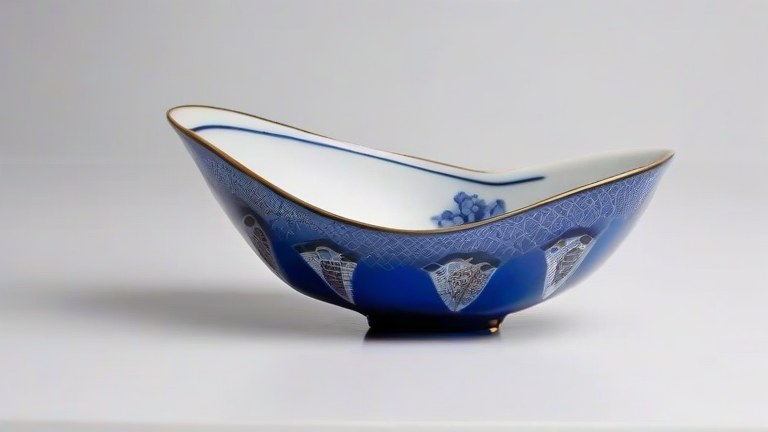
TL;DR: Lead leaching from glazed porcelain figurines is a significant health risk primarily when the glaze is chipped, worn, or used in ways that contact food or mouths. To mitigate this, avoid using decorative porcelain for food storage, wash hands frequently after handling sculptures, and inspect pieces for damage regularly.
The Hidden Danger in Decorative Glazes
Porcelain figurines and sculptures are often prized for their intricate details and vibrant colors, but these aesthetic qualities can come with a hidden cost. Historically, lead was added to glazes to lower melting temperatures and enhance the brilliance of colors. While modern regulations in many countries have significantly reduced lead content in new production, a vast number of vintage and antique pieces remain in circulation. These older items often contain high concentrations of lead oxide, which can leach out over time, particularly if the surface integrity is compromised. Understanding the specific risks associated with these decorative objects is crucial for maintaining a safe living environment, especially in households with children or pets.
How Exposure Occurs
The primary route of exposure is not merely touching a figurine, but rather the transfer of lead dust or residues to the mouth. This can happen through hand-to-mouth contact after handling a sculpture. More critically, if a figurine is chipped or the glaze is worn away, the underlying ceramic body, which may contain higher lead levels, becomes exposed. Furthermore, if leaded glazes are used on items that might come into contact with food or beverages, such as a decorative bowl or a teapot, the risk of ingestion increases dramatically. Acidic substances, such as lemon juice or wine, can accelerate the leaching process, dissolving lead from the glaze and contaminating the contents. Therefore, it is vital to distinguish between purely decorative pieces and functional items, ensuring that no lead-glazed porcelain is ever used for food or drink preparation.
Science-Backed Prevention Strategies
To protect your health, adopt a proactive approach to handling porcelain collectibles. First, conduct a thorough inspection of all figurines and sculptures. Look for hairline cracks, chips, or areas where the glaze has rubbed off. If you find significant damage, it is best to dispose of the item or consult a professional for safe removal, as attempting to repair it with consumer-grade adhesives may not address the lead content. Second, establish strict hygiene protocols. Always wash your hands with soap and water after handling any porcelain items, regardless of their age. This simple habit breaks the chain of transmission from surface dust to ingestion. Third, keep all porcelain figurines out of reach of children and pets. Store them in closed cabinets or on high shelves where they cannot be easily accessed. If you must display them, ensure they are in areas that do not accumulate dust, and consider using display cases to prevent accidental handling or dust settling on the surfaces.
Lifestyle Tips for Safe Collecting
Integrating safety into your lifestyle does not mean you must abandon your collection. Instead, it requires mindful practices. When acquiring new or vintage porcelain, prioritize pieces with known low-lead glazes or those from manufacturers who adhere to modern safety standards. Look for certifications or labels indicating compliance with current safety regulations. Additionally, regular maintenance is key. Dust your figurines gently with a soft, dry cloth to prevent the buildup of lead-contaminated dust. Avoid using wet cloths or abrasive cleaners, as these can further degrade the glaze and increase the risk of lead release. If you are in the market for new sculptures, choose materials that are explicitly labeled as lead-free, such as bisque porcelain or modern polymer clay, which offer similar aesthetic appeal without the associated health risks. By staying informed and practicing consistent hygiene, you can enjoy the beauty of porcelain art while safeguarding your well-being.
FAQ
Q: Is it safe to display old porcelain figurines in a home with toddlers?
A: It is not recommended to display loose figurines within reach of toddlers, as they are prone to putting objects in their mouths, which poses a direct ingestion risk for lead residues.
Q: Can I use a vintage porcelain
Leave a Reply