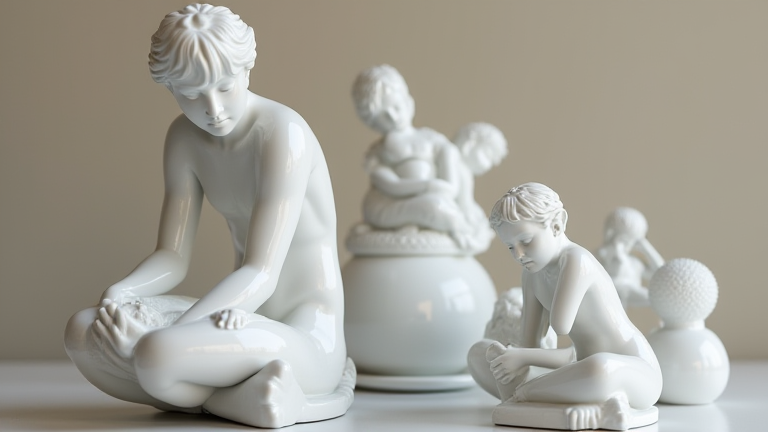
TL;DR: Porcelain figurines and sculptures are the ultimate way to add quiet elegance to your home, blending artisanal craft with personal storytelling. Focus on curated groupings, neutral palettes, and pieces that echo your travels or cultural heritage to create a gallery-like feel without clutter.
The Art of Slow Living: Curating Porcelain as a Travelogue
In an age of mass-produced decor, porcelain figurines stand as a counterpoint—fragile, intentional, and deeply human. Unlike a generic print or a plastic vase, a hand-painted porcelain sculpture carries the fingerprints of its maker. Think of it as a three-dimensional postcard: a Delft blue windmill from Amsterdam, a delicate Geisha from Kyoto, or a whimsical French bulldog from Limoges. Each piece becomes a tactile memory, a conversation starter that invites guests to ask, “Where did you find that?” This is where travel meets decor—not as a souvenir shelf of kitsch, but as a curated narrative of places you’ve loved.
If you want to dig deeper, check out our guide on 10 Trendy Home Decor Finds Under $50 at Target.
Styling with Negative Space: The Sculptural Approach
Porcelain’s strength is its subtlety. A single, oversized white porcelain bust on a walnut console can anchor an entire living room, echoing the minimalism of Japanese wabi-sabi. For a more dynamic look, group three figurines of varying heights—a standing ballerina, a seated cat, and a small bowl—on a stack of hardcover books. The key is restraint: let each piece breathe. Avoid overcrowding a mantel; instead, place one sculpture on a coffee table beside a stack of art books, or use a porcelain hand as a ring holder on your bedside table. The glossy finish catches morning light, creating soft shadows that change with the hour, turning your home into a living gallery.
Cultural Roots & Personal Growth: The Meaning Behind the Clay
Porcelain has a rich history—from Chinese Tang dynasty horses to European Meissen swans. Choosing pieces that reflect your own heritage or a culture you admire is a form of self-expression. Perhaps you collect Spanish Lladró’s flowing florals to honor your grandmother’s Andalusian roots, or you favor Danish Royal Copenhagen’s blue-fluted pattern as a nod to your Nordic minimalist aesthetic. This practice forces you to slow down: you research, you touch, you decide. It’s a meditation on taste, teaching you that you don’t need many things—just the right things. Over time, your collection becomes a mirror of your evolving identity, a physical journal of your growth in patience and discernment.
Care & Placement: Practical Elegance
To keep your porcelain pristine, dust weekly with a soft, dry brush (never water). Place figurines away from high-traffic areas like hallway edges, and avoid direct sunlight, which can fade hand-painted glazes. For a cohesive look, stick to a two-color palette—classic white and gold, or celadon green and cream. And remember: a chipped figurine isn’t ruined; it’s a story. Repair with clear-drying epoxy, or embrace the imperfection as a symbol of resilience. Your home should feel like a sanctuary, not a museum—so let each piece be touched, admired, and occasionally moved to a new spot for a fresh perspective.
FAQ
Q: How many porcelain figurines should I display in one room?
A: Limit yourself to three to five pieces per room, grouped in odd numbers for visual balance. More than that risks cluttered chaos; fewer makes each piece feel like a precious artifact.
Q: Can I mix porcelain figurines with modern decor?
A: Absolutely. Pair a delicate porcelain deer with a concrete side table or a brass lamp. The contrast between fragile ceramic and industrial materials creates a trendy, eclectic tension that feels curated, not random.
Q: What’s the best way to start a porcelain collection on a budget?
A: Shop at flea markets, estate sales, and online auctions for vintage pieces—often 50-
Leave a Reply