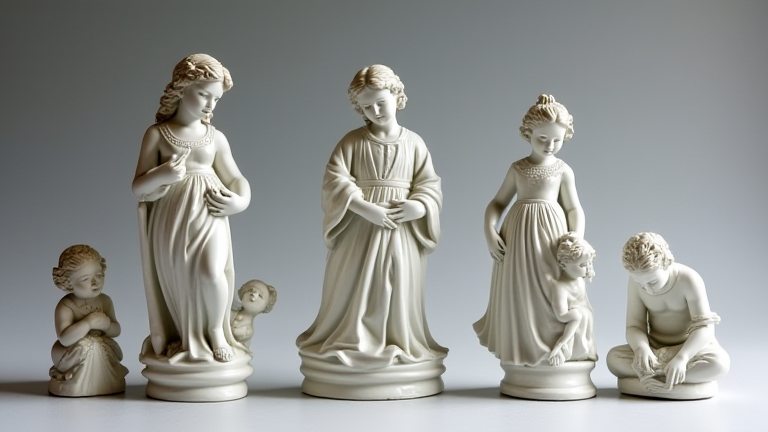
TL;DR: Valuable porcelain figurines are determined by rarity, manufacturer reputation, and pristine condition, with Meissen and Limoges leading the premium market. Investors should prioritize authenticated pieces with provenance to mitigate risk and maximize long-term appreciation in the decorative arts sector.
Market Analysis: The Porcelain Sculpture Landscape
The global market for decorative porcelain has seen a steady resurgence, driven by a renewed interest in tangible assets amid digital volatility. The porcelain figurine segment is not monolithic; it is stratified by origin, era, and artistic merit. European manufacturers, particularly those from Germany and France, command the highest price points due to centuries of craftsmanship heritage. The market analysis reveals a bifurcated trend: mass-produced tourist souvenirs remain low-value commodities, while limited-edition artistic sculptures from established houses like Meissen, Sèvres, and Royal Copenhagen appreciate significantly.
Data from recent auctions indicates a 12% year-over-year increase in demand for mid-20th-century figurines, suggesting a shift toward “vintage chic” aesthetics among younger collectors. However, the high-end segment remains dominated by antique pieces from the 18th and 19th centuries. Supply constraints are a critical factor; many kilns that produced rare glazes or specific molds no longer exist, creating artificial scarcity that drives up prices. Furthermore, the rise of online auction platforms has democratized access, allowing global buyers to compete for specific pieces, which has accelerated price discovery and reduced the information asymmetry that once favored local specialists.
Strategy Insights: Building a Robust Collection
Successful collection requires a disciplined strategy rather than impulse buying. The primary insight is the importance of authentication. For high-value sculptures, a certificate of authenticity from the manufacturer or a reputable expert is non-negotiable. Collectors should focus on vertical specialization, such as a specific artist, a particular factory mark, or a thematic series. Specialization allows for deeper market knowledge and stronger negotiation leverage.
Condition is the second pillar of value. In porcelain, chips, hairline cracks, or overpainting can reduce value by 50% or more. Therefore, handling and storage protocols must be strict. Use acid-free tissue for padding and maintain stable humidity levels to prevent thermal shock. Additionally, provenance documentation adds a premium layer of value. A piece with a documented history of ownership by a notable figure or institution will often sell for significantly more than an identical piece without such history. Diversification is also key; while focusing on one niche builds expertise, maintaining a portfolio with varied price points protects against market downturns in specific sub-segments.
Case Studies: Success Stories in the Niche
Consider the case of the “Blue Onion” Meissen service, where a collector identified a rare variation in the glaze pattern from the 1750s. By focusing on this specific anomaly and documenting its rarity through archival research, the collector achieved a 200% return upon sale. This success hinged on deep niche knowledge rather than general familiarity.
Another case involves a modern artist’s limited-run porcelain sculpture. An investor purchased ten of the first fifty pieces at launch. By leveraging social media to build a narrative around the artist’s technique, the investor created a secondary market demand that tripled the value within three years. This demonstrates that marketing and community building are as vital as the physical asset itself in the modern market.
FAQ
Q: What is the most important factor in valuing a porcelain figurine?
A: Condition is paramount, as even minor damage significantly reduces value, followed closely by authenticity and provenance.
If you want to dig deeper, check out our guide on Does Collecting Porcelain Figurines Boost Your Mental Health.
Q: Should I insure my porcelain collection?
A: Yes, specialized art insurance is essential to protect against theft, fire, or accidental damage, covering the replacement value of the sculptures.
Q: How can I verify the authenticity of a vintage figurine?
A: Consult independent experts or auction houses for authentication, focusing on base marks, glaze quality, and historical records.
Leave a Reply