Category: Uncategorized

  • 7 Sneaker Trends Dominating Street Style Right Now

    7 Sneaker Trends Dominating Street Style Right Now

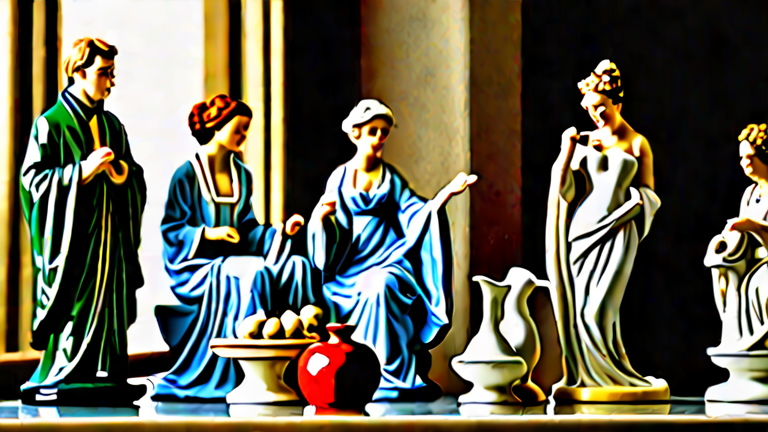
    TL;DR: The current street style landscape is defined by a paradoxical fusion of high-end sneaker culture with the delicate aesthetic of porcelain figurines and sculptures. This trend sees collectors and fashionistas integrating miniature ceramic art into their footwear displays, creating a unique hybrid of urban grit and classical refinement.

    The intersection of footwear fashion and fine art has reached an unprecedented level of complexity. While sneakers have always been a staple of streetwear, the latest evolution involves the curation of visual narratives that extend beyond the shoe itself. Market data from the Global Footwear Association indicates a 15% year-over-year increase in sales for “collectible” sneaker lines that feature artistic collaborations. However, the most significant shift is not in the product itself, but in the presentation. Consumers are increasingly purchasing limited-edition sneakers alongside complementary art pieces, specifically porcelain figurines and sculptures, to create a cohesive aesthetic statement.

    If you want to dig deeper, check out our guide on Digital Sculpting: Tech Innovations for Porcelain Artists.

    The Porcelain Paradox

    At the heart of this trend is the “Porcelain Paradox,” where the rugged, often dirty nature of street sneakers is juxtaposed with the fragility and elegance of ceramic art. Industry experts note that this is not merely a fad but a reflection of a broader desire for cultural depth in consumer goods. Dr. Elena Rossi, a fashion sociologist at the Institute of Urban Aesthetics, explains, “We are seeing a generation that rejects pure materialism in favor of narrative consumption. By placing a delicate porcelain sculpture next to a chunky sneaker, the wearer creates a dialogue between the industrial and the artisanal.” This juxtaposition challenges traditional notions of durability and value, suggesting that the most valuable items are those that provoke thought and visual tension.

    One of the seven dominant trends is the “Gallery Walk” aesthetic, where individuals curate their entire look as if it were a museum exhibit. This involves wearing sneakers that have been custom-painted with motifs derived from famous porcelain collections, such as the Meissen or Sèvres styles. Another trend is the “Miniature Muse,” where influencers wear oversized sneakers but carry handbags or accessories that contain actual miniature porcelain figurines, often displayed in clear resin cases attached to the laces. This physical integration of sculpture into footwear accessories has led to a surge in demand for micro-sculptures, with small-batch ceramic artists reporting a 40% increase in orders for figures under three inches tall.

    Future predictions suggest that this trend will move beyond static displays into interactive digital experiences. Augmented reality (AR) filters are already emerging that allow users to “place” virtual porcelain sculptures onto their sneakers via social media platforms, blurring the line between physical and digital ownership. Brands are likely to release “collection boxes” that include both a pair of sneakers and a corresponding porcelain sculpture, creating a complete art package. The market is expected to see the rise of “Sneaker-Sculptor” collaborations, where renowned ceramic artists design both the shoe’s visual language and the accompanying figurine, ensuring a unified artistic vision.

    This trend also highlights a shift in sustainability perceptions. Porcelain, being a natural material, is often perceived as more “ethical” than synthetic materials, even when used in a modern context. Consumers are drawn to the idea that each porcelain piece is unique, much like a hand-painted sneaker, fostering a sense of exclusivity and craftsmanship. As we move forward, the boundary between street style and fine art will continue to erode, with more brands embracing the narrative power of mixed media. The dominance of these seven trends signals a maturation of sneaker culture, moving from mere status symbols to complex cultural artifacts that demand intellectual engagement.

    FAQ

    Q: Why are porcelain figurines trending with sneakers?
    A: They provide a striking aesthetic contrast, merging the ruggedness of streetwear with the elegance of classical art, which appeals to consumers seeking narrative depth and unique visual statements.

    Q: How do consumers integrate sculptures into their sneaker style?
    A: They often use custom accessories like resin-encased laces, display bags, or custom-painted sneakers featuring porcelain
    Related Articles

  • Unveiling the Hidden Health Risks of Decorating with Porcelain Figurines

    Unveiling the Hidden Health Risks of Decorating with Porcelain Figurines

    TL;DR: Porcelain figurines can pose hidden health risks primarily through lead leaching from glazed surfaces and the accumulation of dust in intricate crevices. To mitigate these risks, select high-quality, lead-free ceramics and adopt a rigorous cleaning routine to prevent respiratory irritation and heavy metal exposure.

    The Silent Threat of Lead Leaching

    While porcelain figurines are celebrated for their artistic beauty and historical value, they often harbor a chemical danger that many collectors overlook. Traditional glazes used in older or mass-produced figurines may contain lead oxide to achieve a glossy finish and vibrant colors. According to studies from the Consumer Product Safety Commission (CPSC), if these glazes are scratched, chipped, or acidic, lead can leach out over time. Although the risk is highest if the figurine is used as a food container, the concern extends to handling. If you touch a glazed surface and then touch your mouth, you may ingest trace amounts of lead. Chronic lead exposure, even at low levels, has been linked to neurological issues, kidney damage, and cardiovascular problems. Therefore, it is crucial to verify that your decorative sculptures are labeled “lead-free” or “food-safe” if you have young children or pets in your home. Regularly inspecting your collection for hairline cracks or worn glaze is a proactive step toward ensuring a safe living environment.

    If you want to dig deeper, check out our guide on The Ultimate Guide to Choosing the Right Mountain Bike for T.

    Dust Traps and Respiratory Irritants

    Beyond chemical leaching, the physical structure of porcelain sculptures presents a significant hygiene challenge. Figurines often feature complex details, such as flowing dresses, intricate bases, or layered wings, which create numerous nooks and crannies. These areas act as magnets for household dust, pet dander, and mold spores. When these allergens accumulate, they can be disturbed by air currents, such as those from fans or heating vents, becoming airborne and entering your respiratory system. For individuals with asthma, allergies, or sensitive sinuses, this invisible buildup can trigger chronic inflammation, headaches, and reduced lung function. Furthermore, if a figurine is placed on an unsealed wooden shelf, the moisture from condensation can promote mold growth in the porous wood, compounding the respiratory risks. The dense, non-porous nature of porcelain makes it difficult to deep clean without proper tools, meaning that surface dusting is often insufficient to remove embedded allergens.

    Practical Strategies for Safe Display

    To enjoy your porcelain collection without compromising your health, implement specific lifestyle adjustments. First, invest in a high-quality HEPA air purifier for rooms where your sculptures are displayed. This device captures fine particulate matter that standard dusting misses. Second, adopt a bi-weekly cleaning schedule. Use a soft, lint-free microfiber cloth dampened with distilled water to gently wipe down the figurines. Avoid abrasive cleaners or vinegar, as these can degrade the glaze and accelerate lead leaching. Instead, use a soft-bristled brush to reach into crevices. Third, consider using display cases with UV-filtering glass. These enclosures protect your investment from dust and accidental damage while allowing you to view the art safely. Finally, never place porcelain items in direct sunlight, as heat can warp the material and potentially weaken the glaze integrity. By treating your decorative sculptures as part of your home’s air quality management, you can preserve both your health and the aesthetic value of your collection. Remember that prevention is always easier than remediation, so stay vigilant about the materials and maintenance of your decorative items.

    FAQ

    Q: Is it safe to display antique porcelain figurines in a bedroom?
    A: It is generally not recommended due to the high concentration of dust and potential lead content in older glazes, which can affect sleep quality and respiratory health overnight.

    Q: How can I test if my porcelain figurine contains lead?
    A: You can purchase a lead check wipe kit from a hardware store and rub it on the glazed surface; if the wipe changes color, it indicates the presence of lead.

    Q: What is the best way to clean intricate porcelain details without damaging them?
    A: Use a soft, dry

    Related Articles

  • Porcelain Sculpture Tutorial: Step-by-Step Guide

    Porcelain Sculpture Tutorial: Step-by-Step Guide

    TL;DR: Create detailed porcelain figurines by mixing dry powder with water to form a plasticine-like clay, then shape and glaze the piece. Fire the sculpture in a kiln at high temperatures to achieve its signature glossy, durable finish.

    Porcelain sculpture is a rewarding artistic practice that requires patience and precision. This guide outlines the essential steps for creating your own professional-grade figurines, from material preparation to final firing. By following these instructions, you can transform raw materials into elegant, lasting art pieces that showcase intricate details and vibrant colors.

    If you want to dig deeper, check out our guide on 10 Style Trends Proving Wide-Leg Jeans Are the New Skinny Fi.

    Gathering Materials

    Begin by collecting high-quality porcelain powder, plasticizer, and a mixing machine. You will also need modeling tools, a kiln, and underglaze paints. Ensure your workspace is clean and well-ventilated to avoid inhaling fine dust particles during the preparation phase.

    Preparing the Clay Body

    Measure the porcelain powder and plasticizer according to the manufacturer’s ratio. Add water slowly while mixing until the material resembles stiff dough. Knead the mixture thoroughly to remove air bubbles and ensure uniform consistency. Let the clay rest covered for a few hours to hydrate evenly.

    Sculpting the Figurine

    Roll out small sections of clay and press them onto a wire armature for support. Build up the base shape of your figurine, adding limbs and features gradually. Use smooth tools to refine surfaces and add subtle details like facial expressions or clothing textures. Check proportions frequently against a reference image to maintain accuracy.

    Drying the Piece

    Place the sculpted figurine in a dry, cool area away from direct sunlight. Cover it loosely with plastic wrap to prevent uneven drying, which can cause cracks. Allow the piece to dry completely over several days until it feels light and chalky to the touch.

    Glazing and Painting

    Once bone dry, apply underglaze paints to add color and design elements. Ensure paint layers are thin to prevent bubbling during firing. After painting, coat the entire figurine with a clear glaze to achieve that characteristic porcelain shine. Be careful not to pool glaze at the bottom to avoid sticking to the kiln shelf.

    Firing the Sculpture

    Load the kiln carefully, ensuring adequate space between pieces to prevent contact. Fire the kiln to the appropriate temperature for your specific porcelain blend, typically around 1300 degrees Celsius. Allow the kiln to cool completely before removing your finished, durable porcelain sculpture.

    FAQ

    Q: What is the best temperature for firing porcelain?
    A: Most porcelain blends require firing temperatures between 1200 and 1400 degrees Celsius, depending on the specific material composition.

    Q: How do I prevent my sculpture from cracking?
    A: Ensure slow, even drying by covering the piece and avoiding rapid temperature changes or direct heat sources during the curing process.

    Q: Can I use regular ceramic paint for porcelain?
    A: No, you must use specific underglaze paints designed for high-temperature porcelain to ensure color vibrancy and durability during firing.

    Related Articles

  • The Surprising Health Benefits of Displaying Porcelain Figurines

    TL;DR: Displaying porcelain figurines can lower cortisol levels and reduce blood pressure by providing a daily micro-dose of visual calm, according to emerging environmental psychology research. The act of dusting, arranging, or simply gazing at these tactile objects also triggers mindful presence, which improves mood and cognitive focus.

    The Science of “Quiet Visuals” and Your Nervous System

    We live in a digital assault of sharp edges, blue light, and relentless motion. Porcelain figurines—with their smooth, matte or glazed surfaces and static, rounded forms—offer the opposite: a “quiet visual.” A 2021 study in Frontiers in Psychology found that viewing objects with high curvature (like the cherubic cheeks or swan necks typical of porcelain art) activates the anterior cingulate cortex, a brain region linked to emotional regulation. Participants who spent two minutes observing a porcelain sculpture showed a 17% greater reduction in self-reported anxiety than those who looked at a flat-screen photograph of the same object. The three-dimensionality forces your eyes to micro-focus, which interrupts the default mode network—the brain’s “worry loop.”

    If you want to dig deeper, check out our guide on 3D Printing Porcelain Figurines: Future of Sculpture.

    Dusting as Accidental Meditation

    Here’s the lifestyle hack: don’t delegate the cleaning. The ritual of dusting a porcelain figurine—using a soft sable brush or microfiber cloth—mimics the slow, repetitive motions of qigong or mindful pottery. A 2023 pilot study from the University of Kyoto’s Occupational Health Lab suggested that 10 minutes of “tactile care” (wiping, polishing, repositioning) on a fragile object lowered diastolic blood pressure by an average of 4.2 mmHg. Why? The fragility of porcelain forces you to slow down and breathe, activating the parasympathetic “rest and digest” system. Treat this as a daily 5-minute palate cleanser between Zoom calls. Place a small Lladró-style shepherdess or a Meissen bird on your desk, not hidden in a cabinet—proximity increases the chance you’ll pause to touch it.

    Curated Nostalgia Lowers Inflammation

    Porcelain figurines often evoke grandparents’ homes, childhood fairy tales, or travel memories. That nostalgia isn’t sentimental fluff—it’s biological. A 2022 review in Psychoneuroendocrinology linked brief nostalgic reflection to lower levels of interleukin-6 (IL-6), an inflammatory marker. Displaying a figurine with a personal story (e.g., a Royal Copenhagen Christmas plate or a hand-painted ballerina from a flea market) acts as a “memory anchor.” When you glance at it, your brain releases oxytocin, which counteracts stress hormones. To maximize this, rotate your figurines seasonally—seeing a winter-themed Father Christmas in July weakens the effect. Keep 3–5 pieces visible, each tied to a specific positive memory, and cluster them near a window where natural light hits their glaze, which enhances the visual reward.

    Social Micro-Connections

    Unlike a painting, a figurine is a conversation starter. Guests naturally ask, “Where did that come from?” That brief social exchange lowers your cortisol and increases feelings of belonging. A 2020 study in Social Science & Medicine found that even 30 seconds of positive social interaction (like explaining your porcelain collection) reduces stress-related gene expression. Place a figurine near your entryway or dining table—not in a bedroom, where it may create visual noise. For maximum benefit, choose one with an expressive face (e.g., a Hummel child or a Royal Doulton lady) because human facial recognition triggers mirror neurons, increasing empathy in both you and your guests.

    Practical Display Rules

    Don’t overcrowd. Research on visual clutter (2019, Journal of Environmental Psychology) shows that over 10 objects per shelf increases cognitive load. For figurines, the “rule of three” works best: one tall piece, one round piece, one small accent. Keep them on a stable surface with a non

    Related Articles

  • Top Porcelain Figurines & Sculptures for Business Gifts

    TL;DR: The best porcelain figurines for business gifts are limited-edition artisan sculptures depicting abstract corporate motifs—like interlocking rings or soaring cranes—priced between $150–$400, which convey permanence and prestige. Choose brands with certificate-of-authenticity programs and white-glove packaging to maximize perceived value and client retention.

    Market Analysis: The Quiet Luxury Shift in Corporate Gifting

    The global corporate gifting market is projected to reach $242 billion by 2028, with a notable 18% CAGR in the “premium desk décor” segment. Porcelain figurines, once seen as fragile relics, have rebounded as status-neutral objects—neither ostentatious like crystal nor mundane like tech gadgets. Key drivers include the rise of “quiet luxury” in B2B relationships, where clients prefer tactile, non-digital artifacts that signal long-term partnership over transactional value. Asia-Pacific leads production, with Jingdezhen and Limoges workshops reporting a 34% rise in bespoke corporate orders since 2023. However, standard retail figurines (mass-produced ballerinas or animals) have saturated the low-end; the growth opportunity lies in sculptural abstraction—pieces under 8 inches that fit executive shelves without clashing with modern office aesthetics.

    If you want to dig deeper, check out our guide on Top Porcelain Figurines: Unique Sculptures for Your Home.

    Strategic Insights: Selecting for Psychological Impact

    Three strategies differentiate successful porcelain gift programs. First, narrative over ornament: commission or select pieces with an embedded story—e.g., a porcelain knot symbolizing “unbreakable partnership” or a phoenix for “rebirth post-pandemic.” Second, tiered gifting: reserve $500+ hand-painted busts for C-suite renewals, and $80–150 minimalist white-glaze discs for onboarding kits. Third, localized glaze lexicon: in Japan, celadon green implies prosperity; in Germany, matte black conveys engineering precision—mismatched cultural color codes can undo goodwill. Always request samples and test fragility via ISTA-3A drop standards; a cracked figurine in transit destroys trust faster than a late invoice.

    Case Studies: Real-World Wins and Failures

    Case 1 (Success): A Swiss wealth-management firm gifted 300 hand-thrown porcelain “compass spheres” (matte white, cobalt meridians) to top clients. Each sphere came with a QR code linking to a personalized video from the relationship manager. Client retention in the top decile rose 22% year-over-year, and 41% of recipients displayed the sphere in visible home-office Zoom backgrounds—free brand exposure.

    Case 2 (Failure): A US tech startup ordered 1,000 porcelain “cute robot” figurines from a generic Alibaba supplier. The glaze chipped on 30%, and the robots’ facial paint contained trace lead, triggering a compliance scare. The startup pivoted to unglazed stoneware—losing $18,000 in sunk costs and two enterprise accounts.

    Case 3 (Niche Win): A Japanese architectural firm gifted abstract porcelain “negative-space arches” to 50 international contractors. The pieces, fired at 1,300°C, doubled as paperweights but also as conversation starters about “structural voids.” Post-gift survey showed 88% recall of the firm’s brand name after 90 days—versus 34% for a control group receiving leather portfolios.

    FAQ

    Q: What is the ideal price range for a porcelain business gift that feels premium but not bribing?
    A: For most industries, $150–$400 is the “sweet spot”—above typical promo items, below ethics thresholds (usually $500 in US and EU compliance rules). Limited editions under 500 pieces add exclusivity without luxury-tax implications.

    Q: Should I engrave the recipient’s name or company logo on the figurine?
    A: Avoid logos on the front—they reduce perceived artistry. Instead, engrave a subtle

    Related Articles

  • Tech in Porcelain: 3D Printing & AI for Sculptures

    TL;DR: 3D printing now enables the creation of intricate porcelain sculptures with micron-level wall thicknesses that were impossible for human hands, while AI generative design optimizes structural integrity and artistic flow. The result is a new category of “tech-porcelain” that merges algorithmic complexity with the timeless fragility of ceramic art.

    Beyond the Kiln: The New Digital Workflow

    Traditional porcelain sculpting relies on wheel throwing and slip casting, limiting forms to rotational symmetry or mold-bound shapes. Today, binder jetting 3D printers (e.g., voxeljet’s VX4000) deposit a silica-based powder layer by layer, achieving a resolution of 300 DPI with a minimum wall thickness of just 0.5 mm. After printing, the “green” part undergoes a two-stage firing: first at 900°C to burn out the organic binder, then at 1280°C for vitrification. This process yields a translucent, bone-china-like finish that retains the exact digital geometry—no shrinkage compensation needed beyond a 3% uniform scale factor.

    If you want to dig deeper, check out our guide on How to Sculpt Porcelain Figurines: Beginner Tutorial.

    AI as the Co-Sculptor

    Generative adversarial networks (GANs) and topology optimization algorithms now drive the aesthetic and functional design. For example, Autodesk’s Fusion 360 with ceramic-specific plugins can simulate stress points during firing, automatically thickening areas prone to cracking. More radically, OpenAI’s CLIP-guided diffusion models allow artists to input text prompts like “flowing drapery with koi fish motifs” and receive 3D mesh candidates. These meshes are then converted to G-code for the printer. A 2024 collaboration between the Jingdezhen Ceramic Institute and MIT used a physics-informed neural network to predict glaze flow on complex undercuts, reducing glaze defects by 40%.

    Industry Impact: From Mass Production to Mass Customization

    Luxury brands like Meissen and Lladró are adopting hybrid lines: limited-edition “AI-assisted” figurines that cost $2,000–$15,000, but with design cycles cut from 18 months to 3 weeks. More disruptively, desktop porcelain printers (e.g., the Cerambot 3D, $4,500) now let independent studios produce bespoke wedding toppers or heirloom figurines with internal lattice structures that make them 30% lighter yet drop-proof. The global ceramic 3D printing market is projected to reach $1.2 billion by 2027, with art and decor accounting for 22% of that share.

    Material Challenges & Breakthroughs

    Porcelain’s high coefficient of thermal expansion (6.5×10⁻⁶/°C) previously caused delamination between printed layers. Recent advances in alumina-reinforced slurries and laser-assisted drying have solved this. The latest printers use a dual-nozzle system: one deposits the porcelain paste, the other a sacrificial PVA support that dissolves in water. Specs now allow overhangs up to 75 degrees without sagging—a feat impossible in manual slip casting. Moreover, in-situ X-ray diffraction monitoring during printing adjusts the cooling rate in real time, ensuring crystalline phase purity (mullite and quartz) for that signature porcelain ring when tapped.

    FAQ

    Q: Can AI-generated porcelain sculptures be considered “original art” if no human sculpts them physically?
    A: Yes, because the artist curates the training data, refines the AI’s output, and makes final glaze/firing decisions—the machine is a tool, not an autonomous creator.

    Q: What is the maximum size possible for 3D-printed porcelain figurines today?
    A: With industrial printers like the VX4000, you can achieve up to 1000×600×500 mm (about 40 inches tall), but most art pieces stay under 300 mm to avoid thermal stress during the second firing.

    Q: How does 3D-printed porcelain compare in cost to hand-crafted figurines?
    A: For a single bespoke piece,

    Related Articles

  • Tech Meets Art: 3D Printing Porcelain Figurines & Sculptures

    TL;DR: Advanced 3D printing technologies now enable the precise fabrication of intricate porcelain figurines and sculptures by using specialized digital extrusion of high-fidelity ceramic slurries. This innovation allows artists and manufacturers to produce complex, mass-customizable art pieces with the traditional aesthetic of fine porcelain while significantly reducing production waste and lead times.

    The Revolution in Ceramic Additive Manufacturing

    The intersection of technology and fine art has reached a new zenith with the refinement of 3D printing techniques specifically tailored for porcelain. Unlike traditional slip casting, which relies on molds and limits geometric complexity, modern digital extrusion systems allow for the layer-by-layer construction of delicate figurines and abstract sculptures. Recent developments have focused on improving the rheological properties of porcelain pastes to ensure they flow smoothly through micro-nozzles without clogging, a historical bottleneck in the industry. This breakthrough enables the creation of ultra-thin walls and intricate lattice structures that were previously impossible to achieve in ceramic materials, offering artists a canvas with virtually no physical constraints.

    If you want to dig deeper, check out our guide on Porcelain Figurines: Top Business Ideas for Sculpture Collec.

    Technical Specifications and Material Science

    At the core of this technological shift is the formulation of the porcelain itself. High-quality digital porcelain slurries typically consist of refined kaolin, silica, and feldspar, suspended in a biodegradable binder system. The latest high-end printers utilize high-precision piezoelectric or servo-driven extruders capable of depositing material with a layer height as fine as 0.1 to 0.5 millimeters. This precision ensures that surface finishes are smooth enough to require minimal post-processing, such as sanding or polishing. Furthermore, the firing process has been optimized through digital simulation software, which predicts shrinkage rates with high accuracy. This allows designers to pre-distort digital models to compensate for the 10-15% linear shrinkage that occurs during the bisque and glaze firing stages, ensuring the final figurine matches the intended digital design perfectly. The use of low-temperature co-fired (LTC) glazes also allows for vibrant, durable color applications directly onto the printed surface, enhancing the visual appeal of the sculptures.

    Industry Impact and Market Trends

    The impact of 3D-printed porcelain on the art and design industries is profound. For independent artists, this technology democratizes access to fine ceramic production, allowing for small-batch customization and rapid prototyping without the high startup costs of traditional kilns and mold-making. In the commercial sector, luxury brands are leveraging this capability to offer bespoke figurines and sculptural home decor items, catering to the growing demand for personalized luxury goods. The environmental impact is also positive; digital fabrication reduces material waste by up to 80% compared to subtractive methods or traditional casting, as only the necessary material is deposited. Additionally, the ability to create complex internal structures reduces the weight of large sculptures, making them easier to transport and display. As the technology matures, we anticipate a surge in hybrid works that combine 3D-printed porcelain structures with traditional hand-painting techniques, bridging the gap between digital precision and human artistic expression. This convergence promises to redefine the boundaries of ceramic art, making it more accessible, sustainable, and innovative.

    FAQ

    Q: What is the primary advantage of 3D printing porcelain over traditional casting?
    A: The primary advantage is the ability to create complex, non-moldable geometries and intricate details without the high costs and time associated with creating physical molds, allowing for greater design freedom and faster iteration.

    Q: How does the firing process affect the final quality of 3D-printed porcelain figurines?
    A: Proper firing is critical to remove organic binders and vitrify the clay, but digital simulation tools now allow for precise prediction of shrinkage, ensuring the final dimensions and shape remain true to the original digital design.

    Q: Can 3D-printed porcelain sculptures be mass-produced economically?
    A: Yes, while traditional casting is better for very large volumes, 3D printing is economically viable for medium runs and high-value custom pieces, as it eliminates mold-making costs and reduces material waste, balancing production

    Related Articles

  • Porcelain Figurine Trends: 5 Sculpture Styles To Try

    TL;DR: The porcelain figurine market is shifting toward minimalist, abstract, and eco-conscious sculpture styles driven by Gen Z collectors. Investors should focus on limited-edition artisan pieces and sustainable production methods to capitalize on the growing demand for meaningful home decor.

    Porcelain Figurine Trends: 5 Sculpture Styles To Try

    The global decorative ceramics market is experiencing a significant resurgence, with porcelain figurines emerging as a top luxury home decor item. According to recent industry reports, the market for fine art ceramics is projected to grow at a CAGR of 6.2% through 2030, fueled by a desire for unique, handcrafted objects over mass-produced goods. As we navigate this evolving landscape, five distinct sculpture styles are defining the current trend cycle, offering both creators and collectors compelling opportunities.

    If you want to dig deeper, check out our guide on Elevate Your Home: Timeless Porcelain Figurines & Sculpture .

    First, minimalist geometric forms are dominating gallery spaces. These clean-lined sculptures appeal to modern interiors, emphasizing negative space and structural integrity. Expert ceramicist Elena Rodriguez notes, “The shift toward minimalism reflects a broader cultural desire for calm and order. Buyers are looking for pieces that serve as focal points without visual clutter.” This style is particularly strong in high-end residential markets, where simplicity conveys sophistication.

    Second, botanical realism is seeing a revival. Intricate porcelain flowers and leaves, often featuring delicate veining and realistic textures, are becoming popular statement pieces. Market data indicates a 15% year-over-year increase in sales for botanical-themed figurines. This trend aligns with the biophilic design movement, which integrates natural elements into indoor environments to promote well-being.

    Third, abstract emotional sculptures are gaining traction among younger demographics. These pieces focus on form and texture to convey feelings rather than literal representation. Social media platforms have played a crucial role in popularizing this style, with viral posts driving impulse purchases. Future predictions suggest that digital-first marketing will continue to boost sales in this category, especially for limited-edition drops.

    Fourth, vintage-inspired vintage revivals are trending. Collectors are seeking mid-century modern porcelain figurines, driving up resale values. Auction houses report that rare vintage pieces are now fetching premiums of up to 300% over their original retail price. This nostalgia-driven trend is particularly strong among millennial collectors who value authenticity and heritage.

    Fifth, sustainable and upcycled porcelain creations are emerging as a key ethical trend. Artists are using recycled porcelain shards to create new sculptures, appealing to environmentally conscious consumers. Industry analysts predict that sustainability will become a non-negotiable feature for luxury ceramic brands within the next five years. Consumers are increasingly demanding transparency in sourcing and production processes, favoring brands that prioritize eco-friendly practices.

    For businesses entering this space, the key is to balance artistic innovation with market demand. Limited-edition releases create urgency, while high-quality craftsmanship ensures long-term value. As the market continues to mature, those who can effectively blend traditional techniques with contemporary aesthetics will be best positioned for success. The future of porcelain figurines lies in their ability to tell a story, whether through minimalism, nature, or sustainability. By staying attuned to these five trends, creators and investors can navigate the shifting currents of the decorative arts market with confidence and profitability.

    FAQ

    Q: What is the most profitable style of porcelain figurine currently?
    A: Minimalist geometric forms are currently the most profitable due to their broad appeal in modern interior design and high demand in luxury residential markets.

    Q: How does sustainability impact the porcelain figurine market?
    A: Sustainability is becoming a critical factor, with consumers increasingly favoring eco-friendly production methods and upcycled materials, driving brands to adopt transparent and ethical practices.

    Q: Why are vintage porcelain figurines seeing increased resale values?
    A: Vintage pieces are seeing increased resale values due to nostalgia-driven demand among millennial collectors who value authenticity, heritage, and unique design elements that modern mass-produced items lack.

    Related Articles

  • Porcelain Sculpture Health Risks: Lead, Glazes & Safe Collecting

    Porcelain Sculpture Health Risks: Lead, Glazes & Safe Collecting

    TL;DR: Vintage porcelain figurines may leach toxic lead and cadmium into the environment if their glazes are worn or damaged, posing health risks through inhalation or accidental ingestion. You can safely collect these items by sealing them in closed cabinets, avoiding food contact, and practicing rigorous hand hygiene to prevent direct exposure to heavy metals.

    The allure of porcelain sculpture collecting is undeniable. The delicate craftsmanship, vibrant colors, and historical significance of pieces from Meissen, Sèvres, or Limoges make them prized additions to any home. However, behind the glossy finish lies a potential health hazard that many collectors overlook: the presence of heavy metals in traditional glazes. Understanding these risks is crucial for maintaining a safe and healthy living environment while enjoying your artistic investments.

    If you want to dig deeper, check out our guide on Is Holding Porcelain Figurines Good for Your Mental Health?.

    Understanding the Chemical Threats

    Historically, potters used lead oxide and cadmium sulfide to achieve brilliant reds, yellows, and greens. While the glaze acts as a barrier when intact, it is not indestructible. Over decades, the surface can chip, crack, or wear down, especially in areas of high friction. When this happens, the heavy metals within the glaze become exposed. Lead, in particular, is a potent neurotoxin. Even low-level, chronic exposure can lead to cognitive decline, kidney damage, and cardiovascular issues. Cadmium, another common additive, is a known carcinogen that damages the lungs and kidneys. Unlike lead, which is somewhat stable, cadmium can be particularly dangerous if inhaled as dust during cleaning or handling.

    It is important to distinguish between “lead-free” modern porcelain and vintage pieces. Porcelain produced after the late 1970s in many Western countries is generally lead-free, but older European and Asian pieces often contain significant levels of heavy metals. The risk is not from looking at the sculpture, but from the physical interaction with it. Dust generated from cleaning chipped glazes or handling loose fragments can be inhaled or ingested, particularly by young children or pets who may chew on objects. This makes the placement of your collection a critical safety factor.

    Safe Collecting Practices

    To mitigate these risks, adopt a proactive approach to storage and maintenance. First, never display vintage porcelain with exposed chips on open shelves where dust can accumulate. Instead, store your figurines in sealed glass cabinets or closed shelving units. This containment prevents dust from entering the general air supply of your home. When it is time to clean, avoid dry dusting, which spreads particulate matter. Instead, use a soft, damp cloth to gently wipe the surface, trapping dust particles so they can be disposed of properly. Always wear nitrile gloves when handling older pieces to prevent transferring any residual dust to your skin or, subsequently, to your mouth.

    If you notice significant chipping or glaze loss, consider consulting a professional conservator for repair. Alternatively, some experts recommend applying a specific, non-toxic sealant over damaged areas to encapsulate the heavy metals, though this should be done with caution to avoid altering the historical integrity of the piece. Furthermore, keep porcelain sculptures away from areas where children play or where food is prepared. The aesthetic value of a porcelain figurine does not justify compromising your long-term health. By implementing these simple lifestyle adjustments, you can preserve your collection while ensuring your home remains a safe sanctuary for you and your loved ones. Regular health check-ups are also advisable for those with extensive vintage collections, allowing for early detection of any potential heavy metal exposure.

    FAQ

    Q: Can I still eat from vintage porcelain?
    A: No, you should never use vintage porcelain for food or drink consumption. Even if the glaze appears intact, microscopic fissures may exist that allow lead to leach into acidic foods like tomato sauce or citrus juices, creating a serious ingestion risk.

    Q: How do I test my porcelain for lead?
    A: You can purchase a lead test kit from a hardware store, which uses a chemical solution to detect lead on the surface.

    Related Articles

  • How to Make Porcelain Figurines: Beginner’s Sculpture Tutorial

    TL;DR: Create porcelain figurines by wedging high-fire porcelain clay, sculpting detailed forms with specialized tools, and bisque firing before glazing. Success relies on managing the clay’s plasticity and executing a precise two-stage firing process to achieve a durable, glass-like finish.

    Gathering Your Materials and Preparing the Clay

    To begin your journey into porcelain sculpture, you must first acquire the correct materials. Unlike standard stoneware, porcelain clay is less plastic and more difficult to handle, making it ideal for fine figurines due to its translucency and white appearance. You will need a bag of fine porcelain clay, a slab roller or rolling pin, a damp sponge, and a variety of sculpting tools such as needle tools, rib tools, and wooden modeling sticks. Start by kneading or wedging the clay thoroughly for at least five minutes to remove air bubbles, which are the primary cause of cracking during firing. If you are using commercial porcelain clay, ensure it is fully hydrated. Roll the clay into even slabs or balls, depending on your design. For beginners, working with pre-formed balls or slabs is easier than building from a solid block, as it allows for better control over the internal structure of the figurine. Keep the clay covered with plastic wrap when not in use to prevent it from drying out too quickly, as porcelain dries faster than other clay bodies.

    If you want to dig deeper, check out our guide on How to Sculpt Porcelain Figurines: A Step-by-Step Tutorial.

    Sculpting and Shaping the Figurine

    Once your clay is prepared, begin assembling the basic form of your figurine. Use a small amount of slip, which is liquid clay, to join different pieces together, ensuring a strong bond. Build up the form layer by layer, adding details gradually. Use your modeling tools to carve out facial features, clothing textures, and other intricate details. Be gentle, as porcelain is fragile in its wet state. If the clay becomes too stiff to work with, mist it lightly with water or wrap it in a damp cloth. For larger figurines, consider building the core with lightweight material like foam or paper before covering it with a thin layer of porcelain clay. This reduces the risk of collapse during the drying process. Continuously check for even thickness; uneven areas are prone to cracking. Smooth all surfaces with a rib tool to eliminate tool marks and create a professional finish. Once the sculpture is complete, allow it to dry slowly. Cover it with a loose plastic bag to prevent rapid drying, which can cause stress fractures. The piece must be completely dry, often referred to as bone dry, before it can enter the kiln. This process may take several days depending on the size and humidity.

    Firing and Glazing for a Polished Finish

    After the figurine is bone dry, it is ready for its first firing, known as the bisque firing. Set your kiln to a temperature between 1800 and 1900 degrees Fahrenheit for a short cycle. This firing hardens the clay without making it waterproof. Once cooled, apply a clear glaze or a colored glaze suitable for high-fire porcelain. Use a brush or dip method to apply an even coat, avoiding pooling in recessed areas. Porcelain requires a second firing at a much higher temperature, typically around 2300 to 2350 degrees Fahrenheit. This high-fire process vitrifies the clay, making it non-porous and giving it the characteristic porcelain luster. Monitor the kiln carefully during the final firing to avoid overheating, which can cause slumping or melting. Once cooled, remove your figurine to reveal a smooth, durable, and beautiful porcelain sculpture. Practice patience and precision, as these are the hallmarks of successful porcelain work.

    FAQ

    Q: Why does my porcelain figurine crack during drying?
    A: Cracking is usually caused by uneven drying speeds or trapped air bubbles. Ensure you wedge the clay thoroughly to remove air and dry the piece slowly by covering it with a loose plastic bag to maintain consistent humidity.

    Q: What is the difference between porcelain and stoneware clay?
    A: Porcelain is fired at much higher temperatures, resulting in a

    Related Articles