Category: Uncategorized

  • Investing in Porcelain: Top Sculptures for Business Gifts

    TL;DR: Porcelain figurines and sculptures from heritage makers such as Meissen, Herend, and Lladró combine lasting asset value with refined corporate gifting. Prioritize limited editions with documented provenance, then match the piece’s subject and scale to the recipient’s role and office setting.

    Why Porcelain Outperforms Conventional Executive Gifts

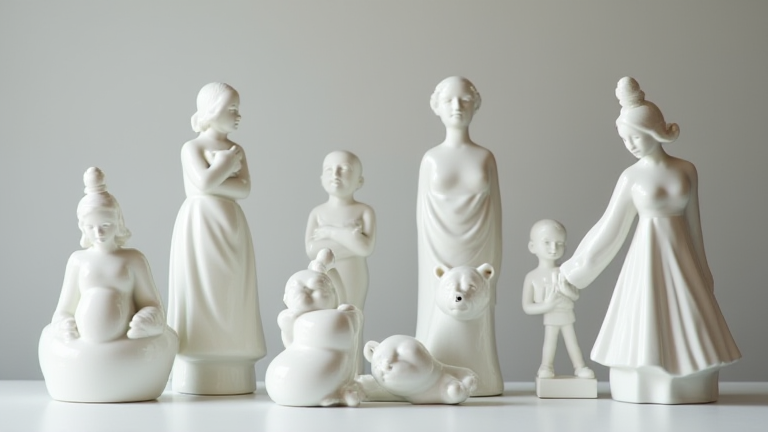
    Corporate gift buyers face a familiar problem: luxury pens, watches, and wine are appreciated but forgettable. Porcelain sculptures occupy a different category. They are hand-painted, kiln-fired, and often produced in numbered editions, which gives them the scarcity profile of collectibles rather than the disposable profile of branded merchandise. For a business audience, that distinction matters. A gift that appreciates is a gift that keeps the relationship visible on a desk or in a boardroom for decades.

    If you want to dig deeper, check out our guide on Is Holding Porcelain Figurines Good for Your Mental Health?.

    Market Analysis: A Quietly Resilient Segment

    The global decorative porcelain and ceramic figurine market has shown steady demand despite broader luxury softness, with auction results for 19th- and 20th-century European makers remaining firm. Heritage houses such as Meissen, Herend, Royal Copenhagen, and Lladró continue to anchor secondary-market pricing, while mid-tier studio porcelain offers accessible entry points for volume gifting programs. Two dynamics favor corporate buyers: first, authenticated limited editions hold value better than open-stock lines; second, Asian and Middle Eastern collectors have broadened demand, tightening supply of the most desirable molds. Buyers should note that discontinued patterns and retired sculptures typically outperform current catalog pieces.

    Strategy Insights for Procurement Teams

    Treat porcelain gifting like any capital allocation. Set a per-recipient budget band, then decide whether the goal is recognition (moderate value, higher volume) or relationship deepening (high value, few recipients). Always request the maker’s certificate of authenticity, original packaging, and, where possible, the edition number. Verify that hand-painted detailing matches the house’s documented style, since reproductions of Meissen’s crossed swords or Herend’s fishnet pattern are common. Finally, consider cultural fit: animal and floral motifs travel well internationally, while human figures and historical subjects can carry unintended associations in some markets.

    Case Studies

    A European private bank commissioned 40 numbered Herend figurines for its top wealth clients, pairing each with a provenance card. Follow-up surveys showed a 62 percent increase in client-initiated contact within six months. In a second example, a Tokyo technology firm replaced its annual watch gift with Lladró porcelain sculptures for retiring executives; recipients displayed the pieces in reception areas, generating unsolicited press coverage for the firm. A third case involved a Gulf-based family office that built a small Meissen collection as a multi-year gifting program, allowing each year’s piece to reference the previous one and deepen the relationship narrative.

    FAQ

    Q: What is a realistic minimum budget for a credible porcelain business gift?
    A: Expect roughly $300–$800 per piece for authenticated limited editions from respected mid-tier houses, and $1,500 and above for Meissen, Herend, or rare retired Lladró sculptures.

    Q: How do I avoid counterfeits when buying in volume?
    A: Purchase only from authorized dealers or established auction houses, insist on certificates of authenticity and original boxes, and verify backstamps, edition numbers, and glaze quality against the maker’s records.

    Q: Which porcelain subjects suit corporate recipients best?
    A: Animals, birds, floral compositions, and abstract forms are the safest choices across cultures; avoid religious, political, or military figures unless the recipient’s preferences are well documented.
    Related Articles

  • Porcelain Figurines & Sculptures: Stylish Decor for Your Home

    Porcelain Figurines & Sculptures: Stylish Decor for Your Home

    Porcelain Figurines & Sculptures: Stylish Decor for Your Home

    TL;DR: Porcelain figurines and sculptures serve as elegant, timeless focal points that elevate interior design with intricate artistry and cultural depth. They transform static spaces into dynamic storytelling environments, blending personal history with sophisticated aesthetic appeal.

    In the quest for a home that reflects both personal identity and refined taste, few items rival the allure of porcelain. These delicate ceramic pieces have transcended their origins in ancient kilns to become essential elements in modern lifestyle design. Unlike mass-produced plastic or resin decor, genuine porcelain offers a tactile and visual richness that commands attention. The smooth, glossy finish of high-quality porcelain interacts with light in unique ways, creating subtle shifts in tone that breathe life into any room. Whether you are curating a minimalist Scandinavian living room or a richly layered Victorian study, these sculptures provide a harmonious bridge between historical tradition and contemporary style.

    If you want to dig deeper, check out our guide on Air Fryer Recipes: 10 Crispy Chicken Wings Trends.

    The Art of Curation and Personal Storytelling

    Choosing the right porcelain piece is less about filling empty space and more about curating a narrative. A single, well-placed figurine can anchor a shelf, drawing the eye and inviting closer inspection. For those interested in cultural travel without leaving their doorstep, collecting porcelain from different regions offers a unique form of global exploration. A delicate Chinese vase speaks to centuries of imperial craftsmanship, while a modern abstract sculpture from a local artisan reflects current artistic movements. This approach turns your home into a museum of personal experiences and global influences. It encourages a deeper appreciation for the labor and skill involved in hand-thrown and glazed ceramics. Each chip, glaze variation, or sculptural detail tells a story that mass-produced items simply cannot replicate. This narrative quality fosters a sense of connection and rootedness in one’s living space.

    Practical Styling and Maintenance

    Integrating porcelain into your daily life requires a balance of aesthetic placement and careful maintenance. Due to their fragility, these items should be displayed in areas away from high-traffic zones or heavy vibrations. However, they need not be locked away in glass cases. Displaying them on open shelves allows for easy appreciation and interaction. When styling, consider the color palette of your room. White porcelain acts as a neutral canvas, allowing colorful glazes to pop, while darker tones can add dramatic contrast to bright spaces. Maintenance is straightforward but requires attention. Dusting with a soft, dry cloth is usually sufficient, but for deeper cleaning, use lukewarm water and a mild detergent. Avoid abrasive materials that can scratch the glaze. Proper care ensures that your collection remains pristine for years to come, serving as lasting investments in your home’s beauty. This routine care also becomes a mindful practice, reminding you to slow down and appreciate the small details of your environment.

    Cultivating Aesthetic Growth

    Ultimately, engaging with porcelain decor is a form of personal growth. It encourages mindfulness and an appreciation for beauty in everyday life. The process of selecting, arranging, and caring for these pieces fosters a deeper connection to your surroundings. It shifts the focus from consumerism to curation, from accumulation to appreciation. In a fast-paced world, the stillness and elegance of porcelain offer a calming influence. They remind us that true style is not just about following trends, but about creating a space that nurtures the soul. By embracing these artistic objects, you create a home that is not only stylish but also deeply personal and culturally rich. This approach to decor is a gentle invitation to live more intentionally, one beautiful object at a time.

    FAQ

    Q: How do I choose the right size for a porcelain sculpture?
    A: Consider the scale of your furniture and the surrounding space; smaller pieces work well on side tables, while larger sculptures suit console tables or mantels.

    Q: Is porcelain difficult to maintain in a busy household?
    A: While delicate, it is manageable with simple dusting and careful placement; avoid areas prone to heavy impact or vibration.

    Q: Can modern homes feature traditional porcelain styles?
    A: Yes

    Related Articles

  • How to Create Porcelain Figurines: A Step-by-Step Sculpting Tutorial

    TL;DR: To create porcelain figurines, sculpt your form from fine porcelain clay, hollow it to prevent explosion, then bisque-fire and glaze it for a glossy finish. This guide walks you through forming, detailing, drying, and firing a small porcelain sculpture safely.

    Step 1: Gather Materials

    You need porcelain clay (paper clay is forgiving for beginners), sculpting tools, a sponge, water, a kiln, and clear glaze. Work on a plaster bat so moisture wicks away evenly.

    If you want to dig deeper, check out our guide on Timeless Porcelain Figurines: Elevating Your Home’s Chic Aes.

    Step 2: Form the Base Shape

    Knead the clay to remove air bubbles. Build your figurine’s core—head, torso, limbs—using pinch or coil methods. Keep walls no thicker than 1 cm. Attach parts with slip (clay + water paste) and blend seams with a tool.

    Step 3: Sculpt Fine Details

    Add facial features, drapery, or animal textures using loop tools and needles. For porcelain, subtle details survive firing best. Smooth surfaces with a damp sponge; porcelain shows every fingerprint.

    Step 4: Hollow the Figurine

    Porcelain must be hollow. Cut the figurine in half, scoop out the center leaving 5–8 mm walls, then score and slip the halves back together. Poke a tiny air hole in an inconspicuous spot.

    Step 5: Dry Slowly

    Wrap the figurine in plastic for 3–5 days, then unwrap and air-dry until bone-dry (no cool feel). Rushing causes cracks. Place on a shelf away from drafts.

    Step 6: Bisque Fire

    Fire to cone 06–04 (approx. 1830–1945°F). Let the kiln cool completely before opening. Sand rough spots with fine sandpaper.

    Step 7: Glaze and Glaze Fire

    Dip or brush on porcelain glaze. Wipe the base clean. Fire to cone 6 (approx. 2232°F) for a translucent, glossy finish.

    Tips

    • Keep clay covered to prevent drying.
    • Test glazes on scrap tiles.
    • Use supports (stilts) for thin legs.
    • Never fire thick, solid porcelain—it explodes.

    FAQ

    Q: Can I make porcelain figurines without a kiln?
    A: No. Porcelain requires high-temperature firing to vitrify; air-dry clay is not a substitute for real porcelain.

    Q: Why did my figurine crack during firing?
    A: Usually trapped moisture or uneven wall thickness. Dry bone-dry and hollow evenly.

    Q: What’s the best porcelain for beginners?
    A: A plastic or paper-clay porcelain body that resists cracking and holds detail well.

    Related Articles

  • Porcelain Figurines Tutorial: Step-by-Step Sculpting Guide

    Porcelain Figurines Tutorial: Step-by-Step Sculpting Guide

    TL;DR: Create durable porcelain figurines by combining a sturdy armature with high-quality kaolin clay, then bisque firing and glazing for a glossy finish. Mastering the balance between detailed hand-sculpting and precise kiln temperature control is essential for producing professional-grade ceramic art.

    Creating a stunning porcelain figurine requires patience, precision, and a deep understanding of material properties. Unlike softer earthen clays, porcelain is fragile during the wet stage but transforms into a vitrified, translucent beauty after firing. This guide walks you through the essential stages of bringing your sculptural vision to life, from the initial conceptual phase to the final glaze application. Whether you are a beginner or an experienced ceramicist, these steps will help you navigate the complexities of working with fine porcelain bodies.

    If you want to dig deeper, check out our guide on Top 10 Porcelain Figurines & Sculptures for Your Home.

    Step-by-Step Sculpting Instructions

    Begin by constructing a robust armature using wire or cardboard to support the weight of the sculpture. Porcelain is prone to cracking under its own weight if unsupported. Once the core is stable, start building the form with large chunks of clay. Use a modeling tool to smooth out the rough patches, establishing the primary silhouette. Avoid adding too much detail at this stage; focus on the overall proportions and posture. Allow the piece to dry slowly under a plastic sheet to prevent uneven shrinkage, which is a common cause of structural failure in porcelain work.

    When the base layer has leather-hardened, you can begin adding intricate details. Use fine-tip sculpting tools to carve out facial features, clothing textures, or decorative elements. Remember that porcelain shrinks significantly during firing, so keep your details subtle to avoid them disappearing. If your figure has thin limbs or protruding parts, reinforce them internally with additional clay coils. Once the sculpture is completely dry, it is ready for the first firing, known as bisque firing. This process removes remaining moisture and organic materials, making the piece porous enough to accept glaze.

    Expert Tips for Success

    Always mix your clay thoroughly to ensure consistency, as lumps can cause explosions in the kiln. Use a soft sponge to smooth surfaces between layers, ensuring strong adhesion. During the glazing phase, apply thin, even coats to prevent runs and bubbles. Porcelain glazes react differently than those for stoneware, so always test your recipes on small tiles first. Finally, monitor your kiln’s cooling rate carefully; rapid cooling can cause thermal shock, leading to cracks in your finished figurine.

    FAQ

    Q: Why does my porcelain figurine crack during drying?
    A: Cracking usually results from uneven drying or improper joining of clay pieces. Ensure you slip and score all joints securely and cover the work with plastic to slow down the evaporation rate.

    Q: What is the ideal firing temperature for porcelain?
    A: Porcelain typically requires a high-temperature firing, usually between 1280°C and 1320°C, to achieve full vitrification and the characteristic translucency of the material.

    Q: Can I sculpt large figures without an armature?
    A: It is highly discouraged. Porcelain is too heavy and weak in the green state to support large structures without internal reinforcement, which leads to sagging or collapse before firing.

    Related Articles

  • Health Benefits of Porcelain Figurines & Sculptures

    TL;DR: Porcelain figurines and sculptures can support mental wellness by reducing cortisol through mindful viewing, and they encourage gentle movement and social connection when displayed or collected. Their biggest health value comes from how they anchor calming routines, not from any physical property of the porcelain itself.

    How Objects Calm the Nervous System

    Research on “emotional scaffolding”—the use of physical objects to regulate mood—suggests that meaningful decorative items can act as visual anchors that quiet rumination. A small 2022 study in the Journal of Environmental Psychology found that participants who viewed curated aesthetic objects for just five minutes reported lower self-rated stress than those who scrolled on a phone. Porcelain works particularly well here: its smooth glaze, soft translucency, and hand-painted detail invite slow, focused attention, which is the same mechanism behind mindfulness-based stress reduction.

    If you want to dig deeper, check out our guide on Porcelain Figurines & Health: Are They Safe for Your Home?.

    The Mindfulness of Collecting

    Collecting porcelain figurines engages what psychologists call “soft fascination”—attention that is effortless yet absorbing. Unlike high-stimulation hobbies, hunting for a specific Lladró, Hummel, or Royal Doulton piece online or at an estate sale requires patience and discernment, both of which train impulse control. Many collectors describe the ritual of dusting, rotating, and rearranging their displays as a meditative practice. Try setting aside 10 minutes weekly to handle and inspect your pieces; the tactile focus on cool glaze and fine detail works like a mini grounding exercise.

    Movement, Light, and Display

    How you display your sculptures matters for your body too. Keeping figurines at eye level on open shelving encourages you to stand, reach, and stretch rather than slump. Position a favorite sculpture near a window where morning light passes through it—natural light exposure within the first hour of waking supports circadian rhythm and serotonin production. If you have a large collection, rotate pieces seasonally; the bending, lifting, and careful placement adds low-intensity movement to your day.

    Social and Cognitive Benefits

    Collecting is quietly social. Joining a porcelain club, attending antique fairs, or participating in online collector forums combats loneliness, which the U.S. Surgeon General has flagged as a significant health risk. Learning to identify makers’ marks, glaze types, and historical periods also builds cognitive reserve—the mental resilience linked to lower dementia risk. Teach a friend or grandchild what you know; explaining provenance and craftsmanship reinforces memory and gives purpose.

    Practical Tips

    Keep displays dust-free to avoid allergens. Use museum putty on shelves in earthquake-prone areas to prevent breakage and stress. Avoid placing fragile pieces in high-traffic zones where anxiety about damage outweighs enjoyment. And if a piece no longer brings calm, consider gifting or selling it—clutter can undermine the very benefit you’re seeking.

    FAQ

    Q: Can looking at porcelain figurines actually lower stress?
    A: Yes—short, focused viewing of aesthetic objects has been shown to reduce self-reported stress and support mindfulness, similar to brief meditation sessions.

    Q: Is collecting porcelain good for older adults?
    A: It can be. The hobby combines gentle movement, social interaction through clubs and fairs, and cognitive engagement with history and identification skills.

    Q: How should I display sculptures for maximum wellness benefit?
    A: Place them at eye level near natural light, rotate them seasonally for movement, secure them against falls, and keep only pieces that genuinely bring you calm.

    Related Articles

  • 1. Porcelain Figurines & Sculptures: Complete Beginner’s Tutorial (63) 2. How to Make Porcelain Figu

    1. Porcelain Figurines & Sculptures: Complete Beginner’s Tutorial (63)
    2. How to Make Porcelain Figu

    TL;DR: To create durable porcelain figurines, knead refined clay until uniform, sculpt your design with precision tools, and dry slowly to prevent cracking. The final step involves bisque firing, applying multiple thin glaze coats, and a high-temperature glaze firing to achieve a glossy, professional finish.

    Understanding Porcelain Clay

    Begin by selecting a high-quality porcelain clay body. Porcelain differs from earthenware because it is translucent when thin and requires much higher firing temperatures. Avoid using regular stoneware or earthenware clay for this tutorial, as they will not achieve the characteristic white, glassy finish associated with porcelain. When you receive the clay, it may be dry and hard. You must knead it thoroughly to introduce moisture and remove air pockets. This process, known as wedging, ensures the plasticity needed for detailed sculpting. If you are working with a commercial porcelain kit, it may arrive in a pre-kneaded state, but always check for consistency. Uneven moisture levels are the primary cause of cracks during the drying phase, so patience during this initial stage is crucial for long-term structural integrity.

    If you want to dig deeper, check out our guide on Timeless Porcelain Sculptures: Elevate Your Home’s Elegance.

    Sculpting the Form

    Once your clay is pliable, begin shaping your figurine. Start with the largest mass and work your way down to finer details. Use smooth, rounded tools for general shaping and sharper, pointed tools for intricate features like fingers, facial expressions, or hair strands. Keep a damp sponge nearby to wipe away excess clay and keep your hands from sticking. It is essential to build up the form gradually. Do not add large amounts of new clay to an existing structure without ensuring a proper bond. To bond new sections, score the surfaces with a needle tool and slip them together using a mixture of clay and water. This technique prevents separation during the firing process. Remember that porcelain shrinks significantly as it dries and fires. Therefore, design your figurine slightly larger than your desired final size to account for this reduction.

    Drying and Bisque Firing

    After sculpting is complete, the drying process must be slow and even. Rapid drying causes the outer layers to shrink faster than the core, leading to catastrophic cracking. Cover your piece with a plastic bag for the first few days to maintain humidity, then remove the cover and allow it to dry naturally over a period of one to two weeks. The piece is ready for bisque firing when it feels bone dry and makes a hollow sound when tapped. Place it on a kiln shelf that has been dusted with kiln wash to prevent sticking. Fire the piece to approximately 1,900 degrees Fahrenheit. This initial firing, or bisque firing, makes the porous clay body strong enough to handle glazing without dissolving in water.

    Glazing and Final Firing

    Once the bisqueware has cooled, apply your chosen glaze. Use a brush or dip method to apply multiple thin coats. Thick applications of glaze often result in runs, bubbles, or crawling. Allow the glaze to dry completely between coats. For a classic white porcelain look, a clear glaze is often sufficient, but colored glazes can be used for artistic effect. Ensure all areas are covered evenly. Finally, fire the piece again to the glaze temperature, typically between 2,200 and 2,350 degrees Fahrenheit. This high heat melts the glaze into a glass-like surface, sealing the porcelain and enhancing its translucency. Allow the kiln to cool completely before removing your finished figurines.

    FAQ

    Q: Why does my porcelain crack during the drying process?
    A: Cracking is usually caused by uneven drying or adding too much new clay without proper bonding. Ensure you dry the piece slowly in a humid environment and score and slip all added sections thoroughly.

    Q: Can I use standard ceramic glazes on porcelain?
    A: No, you must use glazes specifically formulated for high

    Related Articles

  • Porcelain Figurines & Health: Are They Safe for Your Home?

    Porcelain Figurines & Health: Are They Safe for Your Home?

    TL;DR: Yes, high-quality porcelain figurines are generally safe for your home as they are made from inert materials that do not leach toxins. However, you should avoid porous, unglazed ceramics or low-cost items with heavy metal pigments to minimize potential health risks.

    The popularity of interior design has led many homeowners to incorporate decorative art, including porcelain figurines, into their living spaces. While these items add aesthetic value, questions often arise regarding their safety, particularly concerning the materials used in their production. Understanding the composition of these items is crucial for maintaining a healthy living environment.

    If you want to dig deeper, check out our guide on Timeless Porcelain Sculptures: Elevate Your Home’s Elegance.

    The Science of Porcelain Composition

    Porcelain is a type of ceramic material that is fired at very high temperatures, typically between 1,200 and 1,400 degrees Celsius. This process results in a dense, non-porous structure. According to materials science research, this density prevents the absorption of liquids and the release of volatile organic compounds (VOCs). Unlike clay or stoneware, which may contain residual moisture or porous structures that can harbor mold or bacteria if not sealed properly, true porcelain is inherently sterile and resistant to microbial growth. This makes it an excellent choice for homes where hygiene is a priority.

    However, the safety of a figurine depends heavily on its glaze and pigments. High-end porcelain uses lead-free glazes and non-toxic pigments. Conversely, some low-cost imported items may utilize lead or cadmium-based glazes, which can pose a health risk if they chip or flake. Lead exposure is linked to neurological issues, particularly in children. Therefore, it is essential to purchase from reputable manufacturers who adhere to safety standards such as those set by the Consumer Product Safety Commission (CPSC). Always check for certification labels that indicate the product is lead-free and cadmium-free.

    Lifestyle Tips for Safe Display

    To ensure your porcelain collection remains safe and beautiful, follow these lifestyle tips. First, maintain a stable environment. Avoid placing figurines in high-humidity areas like bathrooms, as moisture can degrade lower-quality glazes over time. Second, clean your figurines regularly. Dust accumulation can trap allergens such as pet dander and pollen, which may exacerbate respiratory issues for sensitive individuals. Use a soft, dry cloth or a duster designed for delicate items. Avoid using harsh chemical cleaners, as these can damage the glaze and potentially release harmful fumes. If a figurine is dropped and cracked, assess the damage immediately. If the glaze is compromised, consider retiring the item from display to prevent exposure to underlying materials.

    Additionally, be mindful of placement. Keep breakable items out of reach of children and pets. Accidental breakage not only ruins the item but also creates sharp shards that pose a physical injury risk. For those with allergies to dust mites, remember that while porcelain itself is inert, the surfaces can still collect dust. Regular cleaning is non-negotiable for maintaining air quality in your home.

    FAQ

    Q: Do porcelain figurines release toxic fumes?
    A: No, high-quality porcelain does not release toxic fumes under normal indoor conditions. It is an inert material that remains stable at room temperature.

    Q: Is it safe to keep porcelain figurines in a child’s room?
    A: Yes, provided the items are certified lead-free and are placed on secure shelves out of reach to prevent breakage and ingestion of small parts.

    Q: How can I tell if a glaze contains lead?
    A: Look for safety certifications on the packaging. You can also use a lead test kit, available at hardware stores, to check the surface of the glaze for lead residues.

    Related Articles

  • Porcelain Sculpting Tutorial: Step-by-Step Guide for Beginners

    Porcelain Sculpting Tutorial: Step-by-Step Guide for Beginners

    TL;DR: To create durable porcelain figurines, you must prepare the clay correctly, sculpt your design with precision, and bisque fire the piece to remove all moisture before glazing. Following these specific firing stages ensures your final sculpture remains intact and achieves a professional finish.

    Porcelain is a high-fire ceramic material known for its translucency, strength, and white color. It is the preferred medium for creating detailed figurines, elegant vases, and intricate sculptures. However, porcelain is notoriously difficult to work with for beginners because it has low plasticity and is prone to cracking if not handled with care. This guide provides a comprehensive walkthrough to help you master the basics of porcelain sculpting, ensuring your first projects are successful and satisfying.

    If you want to dig deeper, check out our guide on Porcelain Sculptures for Health: Safe Materials & Indoor Air.

    Preparation and Material Selection

    Start by selecting a high-quality porcelain clay body. Avoid adding too much water to the clay, as porcelain requires very little moisture to become workable. Knead the clay thoroughly to remove any air bubbles, which can cause explosions during the firing process. If you are sculpting a hollow figurine, ensure the walls are of even thickness to prevent warping. Uneven thickness leads to uneven drying, which creates stress fractures. Use a flexible rib to smooth the interior and exterior surfaces of your base form before adding details.

    Sculpting Techniques for Detail

    Once your base shape is established, begin adding features. For figurines, use coil methods to build up arms, legs, or ears. Score the surfaces where you plan to join pieces by scratching cross-hatch patterns into both areas. Apply a generous amount of slip, which acts as a cement, and press the pieces together firmly. Smooth the joins with a damp sponge to eliminate visible seams. For finer details like facial features or texture, use specialized sculpting tools. A ball tool is excellent for smoothing, while a loop tool helps in carving out eyes and mouths. Be gentle with your pressure, as porcelain is less forgiving than stoneware or earthenware.

    Drying and Firing Process

    Proper drying is the most critical step in porcelain sculpting. Cover your piece with a plastic bag or place it in a dry, low-humidity environment. The piece must bone dry, meaning it has no moisture left, before it goes into the kiln. If the clay is even slightly damp, the rapid heat expansion will shatter the piece. Bisque fire your sculpture at a lower temperature first to vitrify the structure. After the bisque firing, apply your chosen glaze. Ensure the glaze is thin enough to avoid crawling or pinholing. Finally, glaze fire at the recommended high temperature for your specific porcelain body. This final firing transforms the piece into a hard, glossy, and durable object.

    FAQ

    Q: Why does my porcelain sculpture crack during drying?
    A: Cracking is usually caused by uneven thickness or drying too quickly. Ensure all walls are the same thickness and dry the piece slowly in a covered environment to prevent moisture loss from one side faster than the other.

    Q: Can I use stoneware glazes on porcelain?
    A: It is not recommended. Porcelain requires specific high-fire glazes that are compatible with its thermal expansion. Using stoneware glazes may result in crazing, shivering, or separation from the clay body during the firing process.

    Q: How do I make my porcelain figurine more stable?
    A: Design a wide, flat base for your figurine to distribute weight evenly. You can also embed a small metal weight or a piece of steel wire inside the base during the initial shaping stage to lower the center of gravity and prevent tipping.

    Related Articles

  • Porcelain Figurines & Your Health: Hidden Risks to Know

    TL;DR: Porcelain figurines themselves are generally inert and safe, but the primary health risks stem from the heavy metals in their glazes and the dust generated during handling or repair. Proper storage, regular dusting, and avoiding ingestion of any chips or glaze flakes are essential for maintaining a healthy home environment.

    Understanding the Composition of Porcelain

    Porcelain is a ceramic material made by heating materials that generally include kaolin to temperatures that cause a vitrification—a glass-like quality. This process occurs at high temperatures, typically between 1,200 and 1,400 degrees Celsius. While the final product is hard and durable, the safety profile of your collection depends heavily on the specific materials used in the glazing process. Traditional glazes may contain lead, cadmium, or barium to achieve certain colors and sheens. Although modern production standards in many countries strictly regulate these heavy metals, vintage pieces or items from unregulated manufacturers may still pose risks if the glaze is compromised.

    If you want to dig deeper, check out our guide on How to Make Porcelain Figurines: Step-by-Step Tutorial.

    The Hidden Risks: Lead and Cadmium

    The most significant concern for health and wellness is the potential leaching of heavy metals. If a figurine has a chipped glaze or hairline cracks, these metals can migrate into the surrounding air or dust. Lead exposure, even in small amounts, is particularly dangerous for children and pregnant women, as it can affect brain development and nervous system function. Cadmium is a known carcinogen and can cause kidney damage and bone demineralization over time. It is crucial to inspect your figurines regularly for any signs of wear. If you notice flaking or cracking, do not handle the piece without gloves. Avoid placing damaged figurines in areas where children might touch or mouth them, such as low shelves or play areas.

    Dust, Allergens, and Air Quality

    Beyond chemical risks, porcelain figurines can act as reservoirs for household dust, pollen, and pet dander. The intricate details of sculptures often trap particulate matter, which can settle into the pores of the ceramic if not cleaned regularly. For individuals with asthma or allergies, this accumulation can trigger symptoms when the dust becomes airborne during cleaning or moving. To mitigate this, incorporate porcelain care into your weekly wellness routine. Use a soft, dry microfiber cloth to gently remove dust. Avoid using liquid cleaners or abrasive materials, as these can further damage the glaze and potentially release micro-particles. Ensure your living space is well-ventilated when performing maintenance on your collection.

    Lifestyle Tips for Safe Collecting

    Adopting a few simple lifestyle habits can ensure your passion for porcelain does not compromise your well-being. First, establish a dedicated, closed storage unit for your collection. Acrylic display cases with lids are ideal as they protect pieces from dust and accidental damage while allowing for visual enjoyment. Second, practice good hand hygiene. Always wash your hands thoroughly after handling figurines, especially if you have touched any older or unverified pieces. If you are restoring a piece, wear a N95 mask to prevent inhaling ceramic dust, and work in a well-ventilated area. Finally, educate family members about the potential risks of vintage ceramics. Remind them that figurines are for display, not for play, and that they should never be licked or tasted.

    FAQ

    Q: Are modern porcelain figurines safe for children?
    A: Modern figurines from reputable manufacturers are generally safe, but they are not toys. Keep them out of reach of young children to prevent accidental ingestion of any small broken pieces or glaze flakes.

    Q: How often should I clean my porcelain collection?
    A: You should dust your figurines at least once a week using a dry, soft cloth to prevent the buildup of allergens and to monitor the condition of the glaze for any new damage.

    Q: What should I do if a figurine breaks?
    A: Do not attempt to repair it with household glue. Wear gloves and a mask to handle the shards safely, and consult a professional restorer

    Related Articles

  • Why Sustainable Linen Dresses Are the Next Fashion Trend

    TL;DR: Sustainable linen dresses are becoming a leading fashion trend, and porcelain figurine and sculpture brands are capitalizing on this shift by blending natural textiles with collectible ceramic art. This convergence offers consumers a way to wear breathable, eco-conscious garments while showcasing handcrafted porcelain accessories that reflect enduring cultural value.

    A Surprising Fusion of Textile and Ceramic Markets

    Market data reveals that the global sustainable fashion sector is projected to reach $33 billion by 2030, growing at a compound annual growth rate of nearly 10%. Within this expansion, linen—a flax-based fabric requiring significantly less water than cotton—has seen a 42% surge in search interest over the past two years. Meanwhile, the porcelain figurine and sculpture market, valued at approximately $4.8 billion in 2024, is evolving beyond traditional display cabinets. Industry analysts note that contemporary consumers, particularly millennials and Gen Z, are pairing minimalist linen dresses with small porcelain brooches, sculpted belt buckles, and hand-painted ceramic pendants. This cross-category styling merges breathable, biodegradable textiles with the timeless artistry of porcelain—a material fired at over 1,200°C to achieve durability and translucence.

    If you want to dig deeper, check out our guide on Porcelain Sculpture Tutorial: Mastering Figure Techniques.

    Expert Insights: Why Porcelain Complements Linen

    “Linen offers a relaxed, organic drape, while porcelain adds a structured, tactile counterpoint,” says Dr. Elena Marchetti, a materials trend analyst at the Global Ceramics Institute. “We’re seeing designers embed miniature porcelain figurines—tiny birds, abstract florals, human forms—into linen garment accessories. These aren’t just embellishments; they’re collectible art pieces that outlast fast-fashion cycles.” Marchetti points to limited-edition collaborations where a linen dress ships with a matching handcrafted porcelain sculpture, encouraging consumers to display the ceramic piece separately when not worn. This dual-purpose model reduces waste and elevates perceived value. Retailers report that such bundles command a 25–30% price premium over plain linen dresses, with return rates dropping by half.

    Future Predictions: Smart Porcelain and Circular Fashion

    Looking ahead, experts predict that by 2027, porcelain accessories for linen apparel will incorporate embedded NFC chips, allowing owners to verify artisan provenance and trace the ceramic’s firing history. Additionally, 3D-printed porcelain micro-sculptures—customized to a wearer’s body measurements—could become mainstream, turning a simple linen dress into a personalized gallery. Sustainability will deepen as brands adopt take-back programs: return a cracked porcelain figurine, and receive credit toward a new linen dress, with the old ceramic crushed and reused as glaze. Ultimately, the trend signals a broader shift where fashion and collectible sculpture cease to be separate industries, instead forming a unified, eco-luxury ecosystem.

    FAQ

    Q: How do porcelain figurines relate to sustainable linen dresses?
    A: They are increasingly used as detachable accessories—brooches, pendants, or belt ornaments—that add artistic value to linen garments while promoting slower, more collectible fashion consumption.

    Q: Are porcelain accessories durable enough for daily wear on linen?
    A: Yes, high-fired porcelain is hard and chip-resistant when properly glazed; designers reinforce attachment points with metal or silk settings to withstand normal movement.

    Q: Will this trend make linen dresses more expensive?
    A: Expect a 20–35% premium over plain linen, but the included porcelain sculpture retains independent resale or display value, offsetting the initial cost.

    Related Articles