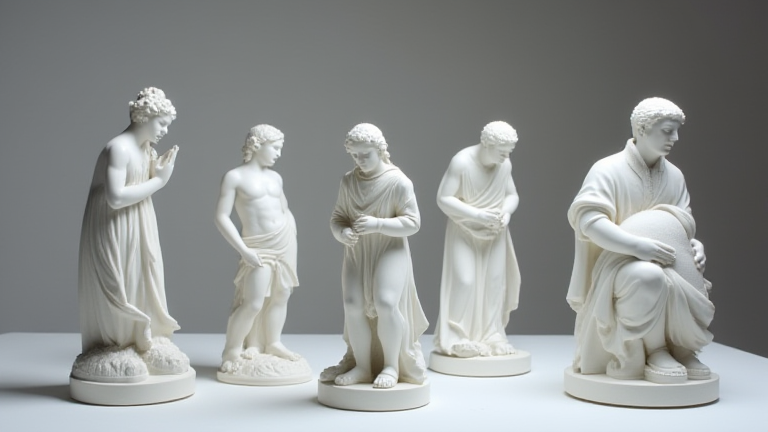
TL;DR: 3D printing enables high-fidelity porcelain figurines by resolving sub-millimeter details previously lost in traditional casting, while AR overlays transform static sculptures into dynamic, interactive digital experiences. This convergence allows artists to merge tactile ceramic craftsmanship with immersive digital storytelling, creating a new hybrid market for collectible art.
The Digital Kiln: Precision in Clay
Traditional porcelain sculpture often struggles with complex geometries, as manual throwing and carving limit intricate internal structures. Modern stereolithography (SLA) and digital light processing (DLP) 3D printers now produce ceramic resins with layer heights as thin as 0.025 mm. This precision allows for the creation of delicate lace-like porcelain patterns and micro-textured surfaces that mimic hand-carved details. Once the resin prototype is dehydrated and fired at 1,300°C, the resulting porcelain retains the exact digital geometry, eliminating the shrinkage inconsistencies common in traditional slip casting. Artists can now iterate designs rapidly, testing complex stress points in digital models before committing to expensive kiln cycles, significantly reducing waste and production time for bespoke figurines.
If you want to dig deeper, check out our guide on Health Risks of Old Porcelain Figurines: Lead & Dust.
Augmented Reality: Breathing Life into Static Forms
While 3D printing solves the physical creation bottleneck, Augmented Reality (AR) addresses the engagement gap. By embedding unique NFC tags or using computer vision markers, porcelain sculptures can trigger AR experiences through smartphone cameras. These overlays project animated elements, such as flowing water or glowing auras, directly onto the physical figurine. Recent developments in LiDAR-enabled mobile devices allow for precise spatial mapping, ensuring digital overlays align perfectly with the sculpture’s contours regardless of viewing angle. This technology transforms a static desk ornament into a living narrative piece. For example, a porcelain dragon sculpture can appear to breathe fire or change colors based on the time of day, adding a layer of interactivity that static art cannot achieve. The integration of IoT sensors further allows sculptures to react to ambient light or sound, creating a responsive artistic ecosystem.
Industry Impact and Specifications
The convergence of these technologies is reshaping the art market. High-end studios are adopting industrial-grade ceramic 3D printers with build volumes of up to 300mm x 300mm x 400mm, capable of producing large-scale figurines with uniform density. The use of high-grade kaolin-based ceramic resins ensures the final product meets museum-quality standards for durability and translucency. Economically, this hybrid model reduces the barrier to entry for complex forms, allowing smaller studios to compete with large manufacturers. Furthermore, the digital component creates recurring revenue streams through app-based content updates, where owners can download new AR animations for their existing sculptures. This shift moves the value proposition from material cost to experiential utility, driving higher margins for tech-integrated porcelain art.
FAQ
Q: Can standard 3D printed porcelain withstand daily handling?
A: Yes, when using high-quality ceramic resins and proper firing schedules, the resulting porcelain has a hardness comparable to traditional stoneware and is resistant to chips and scratches.
Q: Do I need a special app to view the AR features?
A: Most platforms utilize standard ARKit or ARCore frameworks, meaning users only need a compatible smartphone or tablet with a stable internet connection to access the digital overlays.
Q: How does this technology affect the resale value of the sculpture?
A: Tech-integrated pieces often command higher resale values due to their novelty and the rarity of the combined physical-digital asset, appealing to both traditional art collectors and tech enthusiasts.
Leave a Reply