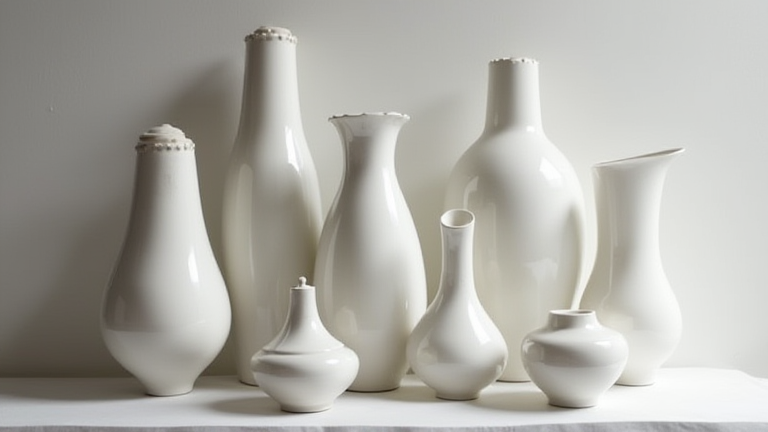
TL;DR: Porcelain sculptures are a timeless investment that instantly elevates home décor by merging artistry with everyday living. Unlike fleeting trends, these elegant pieces anchor a room in culture and personal history, turning a simple shelf into a curated gallery.
The Art of the Still Moment: Why Porcelain Speaks
In an age of digital noise and disposable furniture, porcelain sculptures offer a rare, tactile pause. Each piece carries the memory of fire and clay—a process that has remained essentially unchanged for over a thousand years. When you place a hand-thrown figurine on your mantel, you are not just decorating; you are inviting a conversation with history. The delicate glaze, the subtle imperfections of the kiln, and the weight of the material all whisper of a slower, more intentional era. This is why porcelain transcends “decor” and becomes a form of living culture, akin to owning a small, silent opera in your living room.
If you want to dig deeper, check out our guide on Porcelain Figurines: Elevate Your Home with Timeless Art.
Curating a Personal Gallery: Travel and Memory
For the modern traveler, souvenirs are often magnets and shot glasses—items that end up in drawers. Porcelain figurines, however, serve as three-dimensional postcards. A blue-and-white Delftware dancer from Amsterdam, a serene Japanese Geisha in celadon, or a rustic French farmwife from Provence—each piece is a vessel for a specific place and feeling. When you choose sculptures that reflect your journeys, your home becomes a private museum of your personal growth. Every glance at that porcelain lotus flower from a Kyoto temple is a quiet meditation, a reminder of the patience you learned on that trip. This curation turns a house into a biography, written not in words but in elegant, fired forms.
Elevating Daily Rituals: Beyond the Display Cabinet
Porcelain is no longer confined to dusty china cabinets. Today’s designers use sculptures as functional art—a minimalist porcelain hand holding your rings by the sink, a graceful bird perched on a stack of coffee-table books, or a sculpted bowl that holds your morning fruit. This integration of sculpture into daily rituals is a form of self-care. The act of placing your keys in a glazed ceramic dish, rather than a plastic tray, is a small, mindful gesture that elevates the mundane. It forces you to slow down, to appreciate texture and form, and to infuse your routine with beauty. This is the true luxury of porcelain: it doesn’t shout for attention; it quietly asks you to notice the elegance in your own life.
Investing in Heirlooms: The Sustainable Choice
In a world of fast furniture, porcelain is the antithesis—a sustainable heirloom. These sculptures are not mass-produced plastic; they are crafted by artisans who often sign their work. A well-cared-for porcelain piece can outlive you and your children, becoming a tangible link between generations. Rather than buying three cheap, trendy vases that chip in a year, invest in one exceptional figurine that will only gain character with age. This mindset shifts your home from a consumption hub to a legacy space. It’s a personal growth practice in patience and discernment: learning to value quality over quantity, and permanence over novelty.
FAQ
Q: How do I clean delicate porcelain sculptures without damaging them?
A: Dust regularly with a soft, dry microfiber cloth. For deeper cleaning, use lukewarm water and a drop of mild dish soap, then rinse with a damp cloth—never submerge antique or hand-painted pieces, as this can loosen the glaze.
Q: Can porcelain figurines work in a modern, minimalist home?
A: Absolutely. Choose a single, bold statement piece with a matte finish or a monochromatic palette. Place it on a bare shelf or a concrete console to create a striking contrast against clean lines, letting the sculpture be the room’s focal point.
Q: Are porcelain sculptures worth the investment compared to cheaper ceramic decor?
A: Yes, because porcelain is fired at higher temperatures, making it denser, more durable, and less porous than earthenware.
Leave a Reply