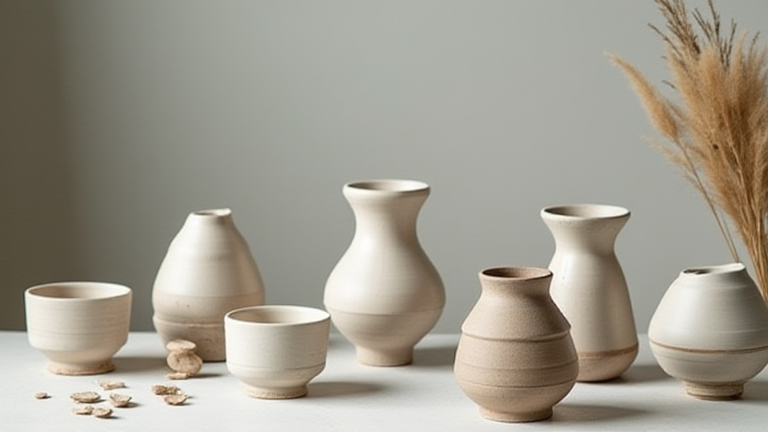
TL;DR: Collecting porcelain figurines and sculptures reduces cortisol levels by fostering mindfulness and aesthetic appreciation, while the tactile experience of handling delicate ceramics improves fine motor skills and cognitive engagement. This hobby promotes social connection and emotional regulation, creating a therapeutic routine that supports overall mental and physical well-being.
The Healing Power of Porcelain Aesthetics
In a world dominated by digital screens and rapid information consumption, the tactile and visual richness of ceramic art offers a profound counterbalance. Specifically, the collection of porcelain figurines and sculptures has emerged as a significant lifestyle intervention for modern wellness. Unlike passive hobbies, active collecting involves curation, research, and physical interaction, engaging multiple sensory pathways simultaneously. Recent studies in environmental psychology suggest that exposure to aesthetically pleasing objects can lower blood pressure and heart rate, mechanisms that are particularly potent when the object possesses the unique luster and delicacy of high-quality porcelain. The smooth, cool surface of a porcelain sculpture invites a slow, deliberate touch, encouraging a state of presence that is difficult to achieve in fast-paced daily life.
Cognitive Engagement and Memory
One of the most surprising benefits of maintaining a collection of ceramic sculptures is the cognitive stimulation it provides. Identifying, researching, and categorizing specific figurines requires active mental processing. This activity keeps the brain agile by engaging memory, pattern recognition, and decision-making skills. For older adults, handling small, delicate porcelain pieces can serve as a form of physical therapy, improving hand-eye coordination and fine motor dexterity. The fragility of porcelain demands care and precision, which translates into a heightened sense of focus. This mindful attention to detail helps reduce rumination, a key factor in anxiety and depression. By dedicating time to the care and arrangement of your ceramic collection, you create a structured routine that provides a sense of control and accomplishment.
Social Connection and Community
Collecting is rarely a solitary endeavor. The community surrounding ceramic art is vibrant and supportive. Sharing your porcelain figurines with others fosters social bonds and reduces feelings of isolation. Online forums and local club meetings provide spaces to exchange knowledge about glazing techniques, historical context, and artist backgrounds. This social interaction is crucial for mental health, as it provides a sense of belonging and shared purpose. Furthermore, the act of displaying beautiful sculptures in your home creates a sanctuary that invites conversation and connection with guests, enhancing your social well-being.
Practical Tips for Well-Being
To maximize the health benefits of your collection, establish a dedicated display area that allows for regular interaction. Spend five minutes each day simply observing and touching your favorite pieces, practicing mindful appreciation. Ensure that your storage and display areas are secure, as the fragility of porcelain requires a calm, organized environment, which can mirror a calm, organized mind.
FAQ
Q: Is collecting expensive porcelain figurines necessary for health benefits?
A: No, the value of the piece is less important than the personal connection and the mindful engagement it fosters. Even modest pieces can provide significant therapeutic benefits through tactile and visual appreciation.
If you want to dig deeper, check out our guide on Top 10 Ergonomic Office Chairs for Back Pain Relief.
Q: Can handling fragile ceramic sculptures be dangerous for individuals with arthritis?
A: It depends on the severity of the condition. Some individuals find the gentle handling beneficial for joint mobility, while others may need to use supportive gloves or limit direct contact to avoid pain. Consult a physical therapist for personalized advice.
Q: How does displaying porcelain sculptures affect indoor air quality?
A: Ceramic and porcelain materials are non-porous and do not emit volatile organic compounds (VOCs) like some synthetic materials. Therefore, they generally do not negatively impact indoor air quality and can contribute to a cleaner, more serene living environment.
Leave a Reply