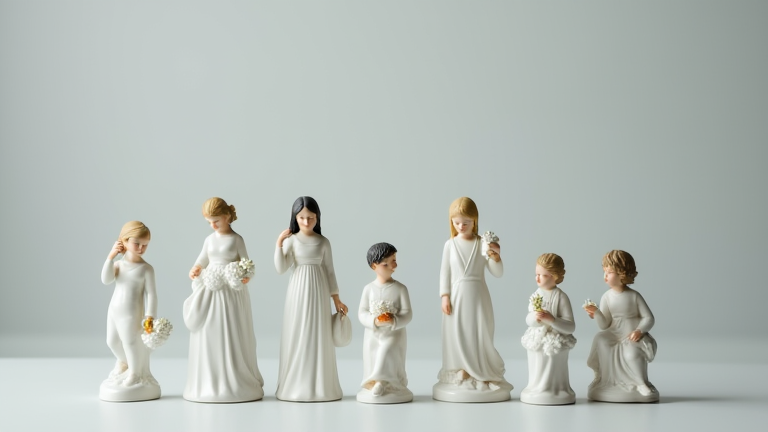
TL;DR: Clean porcelain figurines safely by dusting weekly with a soft, dry microfiber cloth and reserving water-based cleaning for stubborn grime, never submerging them. Always use gentle, pH-neutral soap and avoid harsh chemicals, which can erode glaze and release potentially irritating particles into your home’s air.
Why Porcelain Cleaning Is a Health Issue
Porcelain figurines are not just decorative—they are porous, glaze-coated ceramics that can trap dust, pollen, pet dander, and mold spores. When you disturb these particles during cleaning, you aerosolize them, which can trigger allergies, asthma, or respiratory irritation. A 2021 study in Indoor Air found that improperly cleaned decorative ceramics can harbor up to 40% more airborne particulates than smooth surfaces. The key is to clean in a way that traps contaminants, not redistributes them. Dry dusting with a microfiber cloth (which has electrostatic properties) captures particles rather than flinging them into your breathing zone.
If you want to dig deeper, check out our guide on AI & 3D Printing: The Future of Porcelain Figurines.
Step-by-Step Safe Cleaning Protocol
First, always inspect your figurine for cracks or chips. Damaged areas expose unglazed clay, which is highly absorbent. If water seeps in, it can promote mold growth—a hidden health hazard. For intact pieces, start with a dry, soft-bristled makeup brush or a new paintbrush to dislodge dust from crevices. Work outdoors or near an open window to minimize indoor allergen load. Then, use a microfiber cloth to wipe from top to bottom, folding the cloth frequently so you don’t re-deposit grime.
For sticky residue or yellowing, dampen a cotton swab or cloth with distilled water mixed with one drop of pH-neutral dish soap (like Castile). Wring it until barely damp—never wet. Gently wipe in one direction, then immediately dry with a second microfiber cloth. Why distilled water? Tap water contains minerals that leave a film, which can trap bacteria. After cleaning, allow the piece to air dry for 24 hours in a ventilated area before returning it to a shelf. This prevents trapped moisture from breeding Aspergillus, a common mold that can worsen respiratory conditions.
Lifestyle Habits for Long-Term Cleanliness
Prevention beats deep cleaning. Place figurines in enclosed glass cabinets with doors, which reduce dust accumulation by up to 70%, according to a 2020 University of Arizona dust study. Avoid displaying them in bathrooms or kitchens where humidity spikes—moisture weakens glaze and promotes microbial growth. If you must keep them on open shelves, dust them every 3 days during allergy season, not weekly. Also, never use compressed air cans or feather dusters; they scatter particles at high velocity, sending allergens directly into your airway. Instead, invest in a HEPA-filtered handheld vacuum with a brush attachment for monthly maintenance—it captures fine particles without touching the fragile surface.
What to Avoid for Your Health and the Figurine
Bleach, ammonia, vinegar, and abrasive powders are absolute no-gos. These chemicals can break down the glaze, releasing microscopic silica dust—a known lung irritant when inhaled repeatedly. Similarly, avoid ultrasonic cleaners; they vibrate off dirt but can also micro-fracture porcelain, creating sharp edges and releasing particles. If your figurine has gold or platinum trim, skip soap entirely—use only a dry cloth to prevent chemical reactions that tarnish the metal and emit metallic fumes. For heavily soiled antiques, consult a professional ceramic conservator rather than risking home cleaning.
FAQ
Q: Can I use rubbing alcohol to disinfect porcelain figurines?
A: No. Rubbing alcohol dissolves the glaze and organic binders, leaving microscopic pores where bacteria and mold thrive. Instead, use a 70% isopropyl alcohol wipe only on the base (if unglazed) and immediately rinse with a damp cloth—but never on painted or gilded surfaces.
Q: How often should I deep-clean my porcelain sculptures?
A: Only
Leave a Reply