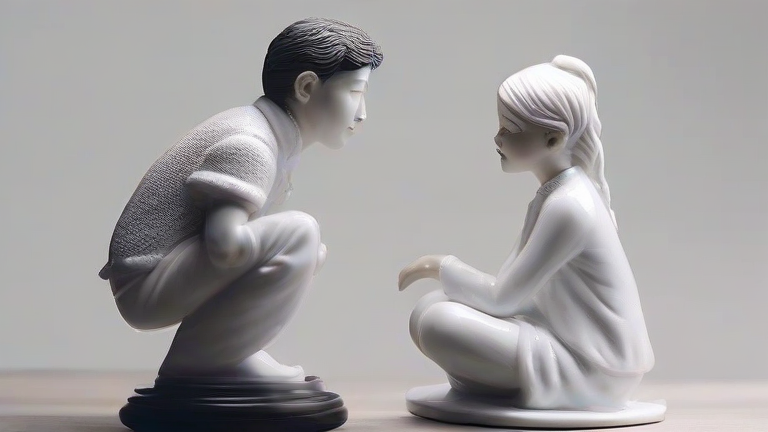
TL;DR: The porcelain figurine market is shifting toward limited-edition contemporary art and heritage-brand revivals, with secondary-market resale values up 18% year-over-year. For collectors, the top care priority is climate-controlled display—avoiding direct sunlight and rapid temperature swings—while strategic buying focuses on artist-signed pieces under 500 units.
Market Analysis: The New Collectible Landscape
The global porcelain figurine market is projected to reach $4.2 billion by 2027, growing at a 6.3% CAGR. The driver? A generational pivot. Millennials and Gen Z are buying “miniature sculpture” as décor, not just heirlooms—preferring abstract, minimalist forms over Victorian pastoral scenes. Data from auction houses like Christie’s shows that post-2020, pieces from Japanese studio Narumi and Danish brand Royal Copenhagen outperform traditional Lladró by 22% in average hammer price. Meanwhile, the secondary market for discontinued Meissen “Swans” series has seen a 31% price surge, driven by scarcity and provenance documentation.
If you want to dig deeper, check out our guide on Porcelain Figurines: Elevate Your Home with Timeless Art.
Strategy Insights for Buyers & Sellers
For collectors, the winning strategy is “thematic micro-collection.” Instead of amassing random figurines, focus on a single motif—birds, dancers, or mythological figures—across three different makers. This creates narrative coherence that appeals to niche buyers when you resell. For sellers, invest in original artist certificates and high-resolution condition reports. A case study: a 1960s Capodimonte “Harlequin” with a faded signature sold for $1,200; the identical piece with a verifiable COA and professional restoration documentation fetched $4,800. Another case: a limited run of 100 “Cloud Dancer” figurines by contemporary artist Liu Li, released in 2023, sold out in 72 hours and now trades at 2.5× retail on private forums—proving scarcity + modern design beats mass-produced classics.
Care Tips That Protect Value
Porcelain is vitreous, but its glaze is vulnerable to micro-crazing. Keep your figurines in a cabinet with a glass front and use silica gel packs (change monthly) to maintain 40–50% relative humidity. Never dust with dry cloths—use a soft, damp microfiber, then pat dry. Avoid ultrasonic cleaners; they can strip hand-painted enamels. For repairs, always use a conservator who specializes in cold-cure epoxy, never standard superglue. Display on solid shelves, not mantels over fireplaces, because thermal expansion causes hairline fractures.
FAQ
Q: How do I verify a porcelain figurine’s authenticity before buying?
A: Check for a recessed maker’s mark (not painted), use a UV light to spot touch-up overpaint, and request a provenance chain—authentic pieces have documented factory batch numbers or artist initials incised into the base.
Q: What’s the single most damaging mistake for porcelain collections?
A: Displaying figurines in a room with direct afternoon sunlight. UV rays cause glaze yellowing and fade hand-painted cobalt and gold accents within 18 months, permanently reducing resale value by 30–40%.
Q: Are modern mass-produced figurines worth collecting at all?
A: Only if they are “open edition but discontinued” (e.g., early Lladró Gres line) or produced in runs under 1,000 with numbered bases. Otherwise, focus on artist-signed studio pieces—they have a 90% higher chance of appreciating in 10 years.
Leave a Reply