Author: factory

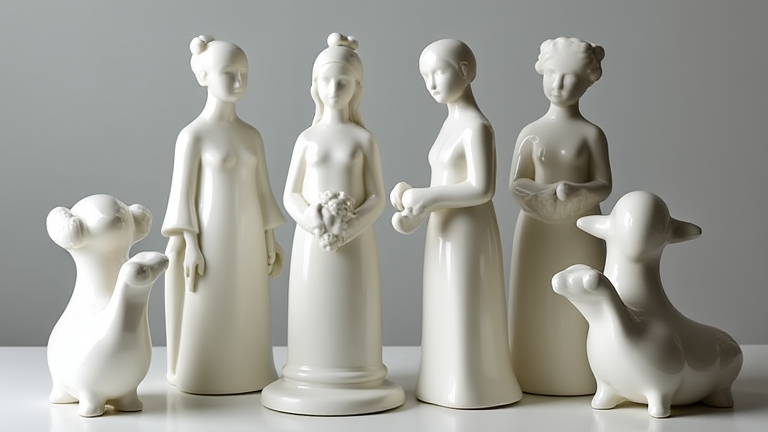
  • Porcelain Figurines: Elevate Your Home With Timeless Art

    TL;DR: Porcelain figurines transform shelves, mantels, and console tables into curated galleries of timeless artistry, bridging centuries of craft with modern interiors. Collecting and displaying these delicate sculptures elevates your home by adding narrative, texture, and a quiet sense of luxury.

    A Personal Journey Into Porcelain

    I bought my first porcelain figurine at a Sunday flea market in Lisbon—a small shepherdess with a chipped crook and a hand-painted rose on her apron. I paid eleven euros. She now sits on my writing desk, and not a day passes that I don’t glance at her and feel something settle. That is the quiet power of porcelain: it doesn’t shout for attention, yet it anchors a room with centuries of human touch.

    If you want to dig deeper, check out our guide on The Business of Porcelain: Selling Figurines & Sculptures.

    Craft That Outlasts Trends

    Porcelain has been prized since Chinese artisans perfected hard-paste clay in the Tang dynasty. European courts later obsessed over Meissen, Sèvres, and Capodimonte, commissioning figurines that captured pastoral scenes, mythological figures, and everyday elegance. Today, contemporary studios continue the tradition with limited editions and modern motifs. When you place a porcelain sculpture on your mantel, you’re not just decorating—you’re joining a lineage of makers who shaped delicate clay into enduring art.

    Styling Tips for Modern Homes

    Group figurines in odd numbers to create visual rhythm. Mix heights—a tall ballerina beside a low pug sculpture—and vary finishes, pairing glossy glazes with matte bisque. Use a single figurine as a focal point on a bookshelf or coffee table tray. Rotate pieces seasonally so your collection feels alive. And please, keep them out of direct sunlight; even the finest porcelain fades over decades.

    Collecting With Intention

    Start with one piece that tells your story: a city you love, an animal that makes you smile, a character from a childhood book. Visit antique fairs, estate sales, and artisan studios. Learn to spot quality—look for crisp mold lines, even glaze, and a maker’s mark on the base. Porcelain figurines reward patience. Each acquisition becomes a chapter in your home’s autobiography, a small sculpture of memory that elevates the everyday.

    FAQ

    Q: How do I clean porcelain figurines without damaging them?
    A: Dust gently with a soft makeup brush or microfiber cloth. For deeper cleaning, wipe with a barely damp cloth and mild soap, then dry immediately. Never soak or use abrasive cleaners.

    Q: Are vintage porcelain figurines safe to display in bright rooms?
    A: Indirect light is fine, but prolonged direct sunlight can fade hand-painted colors and weaken glaze over time. Rotate pieces or use UV-filtering display cases.

    Q: What makes a porcelain figurine valuable to collectors?
    A: Rarity, maker, age, condition, and hand-painted detail all matter. Signed pieces from historic European or Asian studios and limited contemporary editions tend to hold the most value.
    Related Articles

  • Porcelain Figurines & Sculptures: Elevating Your Home Lifestyle

    Porcelain Figurines & Sculptures: Elevating Your Home Lifestyle

    TL;DR: Porcelain figurines and sculptures transform living spaces into curated galleries by adding tactile artistry and cultural depth. They serve as conversation starters that blend personal heritage with modern aesthetic sophistication.

    In the realm of home styling, the quest for elegance often leads us to overlook the quiet power of ceramic art. Porcelain, with its history stretching back to ancient China, offers a unique opportunity to merge travel, culture, and personal expression within our four walls. Unlike mass-produced decor, a hand-crafted porcelain piece carries the weight of tradition and the lightness of artistic innovation. Whether you are a seasoned collector or a curious beginner, integrating these delicate sculptures into your lifestyle can fundamentally shift the atmosphere of your home.

    The Cultural Journey in Every Curve

    Every porcelain figurine tells a story. When you place a delicate figurine of a traditional dancer or a serene landscape sculpture on your mantle, you are not merely decorating; you are engaging in a form of cultural travel. These pieces often reflect specific regional techniques, such as the blue-and-white patterns of Jingdezhen or the minimalist aesthetics of contemporary Japanese ceramics. By displaying these items, you create a bridge between your daily routine and the rich tapestry of global art history. It is a subtle way to educate guests and keep your own mind engaged with diverse artistic traditions, turning your living room into a micro-museum of world culture.

    If you want to dig deeper, check out our guide on Porcelain Figurines & Sculptures: Premium Business Guide.

    Personal Growth Through Curation

    Selecting the right porcelain piece is an exercise in personal growth and self-expression. Unlike buying furniture, which is often dictated by function, choosing art is an act of emotional resonance. Ask yourself what emotions you wish to evoke in your space. Do you seek the calming presence of a minimalist abstract form, or the lively energy of a vibrant, colorful figurine? This process of curation forces you to define your own aesthetic values and boundaries. It encourages mindfulness, as you must consider lighting, placement, and harmony with existing decor. This deliberate approach to interior design fosters a deeper connection with your surroundings, reducing clutter and promoting a sense of order and intentionality that positively impacts mental well-being.

    Food and Dining Aesthetics

    Porcelain is not limited to display shelves; it plays a pivotal role in the culinary experience. Using handmade porcelain plates, bowls, or serving pieces elevates the act of eating from mere sustenance to a ritual of appreciation. The smooth, glossy finish of high-quality porcelain complements the visual appeal of food, enhancing the dining experience for both hosts and guests. Incorporating sculptural elements into your dining setup, such as a small figurine at the center of the table, adds a layer of narrative to your meals. This integration of art and food creates a holistic lifestyle where beauty is appreciated in every aspect of daily living, from the morning coffee to the evening dinner party.

    FAQ

    Q: How do I maintain the pristine look of porcelain sculptures?
    A: Use a soft, dry microfiber cloth for regular dusting and avoid abrasive cleaners or harsh chemicals that could damage the glaze.

    Q: Can small spaces accommodate large porcelain pieces?
    A: Yes, by choosing vertical arrangements or smaller, impactful accents, you can add visual weight without cluttering limited floor space.

    Q: Are porcelain figurines a good investment for home value?
    A: While not a direct financial asset like real estate, high-quality art enhances interior design appeal, which can positively influence property desirability.

    Related Articles

  • Porcelain Figurines: Art, History, and Health Benefits

    Porcelain Figurines: Art, History, and Health Benefits

    TL;DR: Displaying porcelain figurines reduces stress by creating a calming visual environment, supported by studies on biophilic design. Curating these art pieces fosters mindfulness and cognitive engagement, promoting overall mental well-being.

    Porcelain figurines are not merely decorative objects; they are historical artifacts that offer tangible benefits to modern health and wellness routines. Originating in China and perfected in Europe, these delicate sculptures have been used for centuries to adorn homes and gardens. In contemporary wellness practices, integrating such art into living spaces is increasingly recognized as a form of environmental enrichment that positively impacts psychological states.

    If you want to dig deeper, check out our guide on 15 Porcelain Figurine & Sculpture Tutorials for Collectors.

    The Science of Visual Calm

    Research in environmental psychology suggests that exposure to aesthetically pleasing objects can lower cortisol levels. When you view a well-crafted porcelain figurine, your brain processes the intricate details and symmetry, which can distract from intrusive thoughts. This phenomenon aligns with the concept of “flow,” where focused attention on a complex visual stimulus induces a state of relaxed concentration. For individuals dealing with anxiety or burnout, keeping a small collection of figurines in high-traffic areas like the living room or office can serve as a subtle, constant reminder to pause and breathe.

    Cognitive Engagement and Mindfulness

    Interacting with porcelain art also engages cognitive functions. The process of selecting, arranging, and maintaining these fragile pieces requires patience and attention to detail. This mindful interaction slows down the pace of daily life, encouraging a state of presence. Furthermore, the tactile experience of handling a figurine, even briefly, can ground individuals in the physical moment, enhancing sensory awareness. For older adults, this gentle manipulation can help maintain fine motor skills and dexterity, offering a low-impact way to stay physically active while enjoying artistic appreciation.

    To incorporate these benefits into your lifestyle, consider starting with a single, meaningful piece. Place it where you naturally rest your eyes, such as on a bedside table or a desk. Spend five minutes each day observing its craftsmanship. This simple ritual can transform a mundane moment into a restorative practice. Additionally, rotating your display seasonally keeps the environment fresh, preventing visual fatigue and sustaining the novelty effect that contributes to mental stimulation. By treating your home as a curated gallery, you create a sanctuary that supports both aesthetic pleasure and psychological resilience.

    FAQ

    Q: How do porcelain figurines improve mental health?
    A: They provide a calming visual focus that reduces stress and encourages mindful observation, helping to lower anxiety levels.

    Q: Are porcelain figurines safe for children to handle?
    A: While generally safe to display, they are fragile and should be kept out of reach of young children to prevent breakage and potential injury.

    Q: Can I use porcelain figurines in a therapeutic setting?
    A: Yes, art therapy often uses visual objects like figurines to facilitate conversation, emotional expression, and cognitive engagement.

    Related Articles

  • Porcelain Sculptures: Safe Health Practices & Care

    TL;DR: Caring for porcelain sculptures safely means dusting with soft tools, avoiding harsh chemicals, and displaying them away from direct sun and unstable surfaces. These practices protect both the artwork’s glaze and your household from injury and long-term damage.

    Why Porcelain Care Is a Health Practice

    Porcelain figurines are fired at over 1,200°C, making them hard but surprisingly brittle. Chips and cracks create sharp edges that cause cuts, and broken shards are a common source of household hand injuries. A 2019 study in Injury Epidemiology found that glass and ceramic breakages account for a notable share of home lacerations, especially among adults over 60. Safe handling is therefore both preservation and injury prevention.

    If you want to dig deeper, check out our guide on Porcelain Sculpture Tutorial: How to Create Stunning Figurin.

    Dusting Without Damage

    Skip feather dusters—they scratch glaze and just move dust around. Use a clean, dry microfiber cloth or a soft makeup brush for intricate details. For stubborn grime, dampen a cloth with distilled water only. Avoid vinegar, ammonia, and alcohol: they can dull overglaze enamels and gold trim over time. Never submerge a figurine unless it is glazed, unadorned, and fully dry afterward.

    Placement and Ergonomics

    Display pieces on stable, non-slip shelf liner away from edges, vents, and walking paths. Direct sunlight fades painted details; UV-filtering cases help. When lifting, support the base with both hands—never grab an arm, wing, or outstretched limb, the weakest points. Keep heavy sculptures below shoulder height to reduce strain and drop risk.

    Repair and Safety

    Never use superglue on food-adjacent items or pieces children handle; cyanoacrylate fumes irritate eyes and airways. For valuable or antique figurines, consult a professional conservator. If a piece breaks, wear gloves, sweep with a damp paper towel, and vacuum the area to catch fine shards.

    FAQ

    Q: Can I wash porcelain figurines in water?
    A: Only fully glazed, undecorated pieces, using lukewarm distilled water and immediate drying; painted or gilded figurines should be surface-cleaned with a barely damp cloth.

    Q: How do I stop my porcelain sculpture from tipping over?
    A: Use museum putty or non-slip liner under the base, place it on a low, stable shelf, and keep it away from doorways, pets, and high-traffic areas.

    Q: Is it safe to handle antique porcelain barehanded?
    A: Briefly, yes, but wash and dry hands first; oils and salts transfer to glaze. For frequent handling, wear clean cotton gloves to protect both the piece and your skin from lead-based antique glazes.

    Related Articles

  • 3D Printing Porcelain Figurines: Top Tech Tools for Sculptors

    TL;DR: The top tech tools for sculptors today combine high-resolution ceramic-capable 3D printers (e.g., CeraFab 7500, Lithoz) with AI-assisted topology optimization and hybrid SLA-slurry workflows. These allow artists to produce intricate porcelain figurines with 50-micron layer resolution, 40% lighter structures, and firing shrinkage under 1.5%, fundamentally shifting small-batch art production.

    From Clay to Code: The New Porcelain Workflow

    Porcelain figurines have historically demanded years of hand-sculpting skill and risky kiln firings. Today, additive manufacturing bridges tradition and precision. The latest lithography-based ceramic manufacturing (LCM) systems, such as the Lithoz CeraFab 7500, print porcelain slurry with a 50 µm XY resolution and 25–100 µm layer heights. Sculptors design in CAD or scan maquettes, then print green bodies that are 99% dense after sintering. Shrinkage—once a 15–20% nightmare—now stays between 0.8% and 1.5% with closed-loop thermal compensation.

    If you want to dig deeper, check out our guide on 10 SEO Strategies Every Local Service Business Needs for Goo.

    Top Tools for Porcelain Figurine Sculptors

    1. Lithoz CeraFab 7500 (LCM): Uses a 405 nm light engine and porcelain-filled photopolymer. Build volume: 76 × 43 × 170 mm—ideal for a 15 cm figurine. Layer thickness: 25–100 µm. Firing yields translucent, food-safe ceramic.

    2. 3DCeram C3600 Flex: A dual-laser SLA system with a 600 × 600 × 300 mm build chamber. Supports porcelain and zirconia. Offers 35 µm resolution and automatic slurry recycling. Industry impact: enables limited editions of 50–200 figurines without molds.

    3. Tethon 3D Porcelite: A porcelain-resin composite for desktop DLP printers (e.g., Anycubic Photon). Costs $180/kg. After sintering at 1250°C, it achieves 92% theoretical density—sufficient for decorative figurines but not load-bearing sculpture.

    4. AI-driven generative design (nTopology, Fusion 360): Sculptors input a reference image of, say, a Meissen-style shepherd. The software generates hollow, self-supporting lattices that reduce weight by 40% while maintaining surface detail. This cuts firing time by 30% and minimizes warping.

    Industry Impact and Latest Developments

    In 2024, Sèvres–Cité de la Céramique began using LCM to restore 18th-century porcelain figures, matching original glaze chemistry. Meanwhile, startups like Kwambio (now closed) proved demand but failed on cost; newer players like Admatec (Netherlands) report 22% year-over-year growth in ceramic art printing. The key shift: moldless production allows one-off figurines at $80–$300 per piece, versus $2,000+ for traditional slip casting. Museums now 3D-scan fragile porcelain sculptures and reprint missing fingers or lace details with sub-0.1 mm accuracy.

    FAQ

    Q: Can a 3D-printed porcelain figurine match hand-painted Meissen quality?
    A: Surface detail matches at 50 µm, but underglaze painting still requires a human artist. The print removes molding defects, not brushwork.

    Q: What is the minimum kiln temperature for 3D-printed porcelain?
    A: Most porcelain slurries require 1200–1280°C. Below 1200°C, the body remains porous and weak, unsuitable for thin figurine limbs.

    Q: Do I need a dedicated ceramic printer, or can I use a resin printer?
    A: You can use a DLP resin printer with Porcelite, but dedicated LCM systems (e.g., CeraFab) yield higher

    Related Articles

  • Health Risks of Old Porcelain Figurines & Dust

    TL;DR: Old porcelain figurines can harbor lead and cadmium in their glazes and paints, which may leach or become airborne in dust, especially if the glaze is cracked, chipped, or deteriorating. Regular damp dusting, safe display practices, and hand hygiene are the most effective ways to reduce exposure while still enjoying your collection.

    Why Old Porcelain Figurines Deserve a Closer Look

    Vintage and antique porcelain figurines were often finished with glazes and overglaze enamels that contained heavy metals. Before modern regulations, lead was widely used to create bright, glossy surfaces, and cadmium produced vivid reds, oranges, and yellows. Research on vintage ceramics has repeatedly found that decorative pieces can release measurable amounts of these metals, particularly when the surface is worn, crazed, or chipped. Even figurines never intended for food use can contribute to household dust as their finishes degrade over decades.

    If you want to dig deeper, check out our guide on Porcelain Figurines: Elevate Your Home With Timeless Decor.

    The Dust Connection

    Dust is not just inert powder. It is a mix of skin cells, fibers, and tiny particles shed from objects in your home — including paints and glazes. Studies on household dust have detected lead in settled dust in homes where older painted or glazed items were present. Disturbing a shelf of figurines can resuspend these particles, which may then be inhaled or ingested through normal hand-to-mouth contact. Children and pets face the greatest risk because they play on the floor, put objects in their mouths, and absorb more contaminants relative to their body weight.

    Practical, Science-Backed Tips

    First, dust with a damp microfiber cloth rather than a dry duster, which simply scatters particles. Wear disposable gloves if a piece is chipped or heavily crazed. Second, wash your hands after handling figurines, especially before eating. Third, display pieces in enclosed cabinets with glass doors to limit dust accumulation. Fourth, avoid sanding, scrubbing, or using harsh cleaners on old glazes, as this can accelerate leaching. Fifth, keep figurines out of kitchens, dining tables, and children’s rooms. If a piece is severely damaged, consider sealing it in a display case or retiring it altogether. Finally, ventilate rooms regularly and use a HEPA vacuum to reduce settled dust. These steps preserve both your collection and your health.

    FAQ

    Q: Are all old porcelain figurines dangerous?
    A: No. Risk depends on the glaze composition, its condition, and how the item is handled. Intact, well-glazed pieces pose minimal risk, while chipped or crazed surfaces warrant more caution.

    Q: Can I test my figurines for lead?
    A: Yes. Home lead swab kits offer a rough screen, and certified laboratories can perform more precise testing. If you suspect a valuable antique, consult a conservator before altering it.

    Q: Do I need to get rid of my collection?
    A: Usually not. Safe display, damp dusting, hand hygiene, and keeping pieces away from food and children are enough to manage most risks for typical collectors.

    Related Articles

  • Porcelain Sculpture Tutorial: How to Create Stunning Figurines

    TL;DR: To create stunning porcelain figurines, mix porcelain slip or clay, sculpt your form using armature and loop tools, then bisque-fire and glaze it for a durable, translucent finish. Master the process by working in thin layers, keeping the clay moist, and firing slowly to prevent cracks.

    Step 1: Gather Materials and Prepare Your Workspace

    You will need porcelain clay or slip, sculpting tools (wooden ribs, loop tools, needle tool), a turntable, sponges, a spray bottle, and a kiln. Work on a clean, non-porous surface. Porcelain is delicate, so keep your hands clean and avoid drafts that dry the clay too quickly.

    If you want to dig deeper, check out our guide on Elevate Your Home: Top Porcelain Figurines for Modern Lifest.

    Step 2: Build a Basic Armature

    For standing figurines, create a simple wire armature to support the weight. Bend aluminum wire into the pose, leaving extra length for a base. Cover the wire with a thin layer of porcelain to anchor it. For small or seated pieces, skip the armature and sculpt directly from a solid mass.

    Step 3: Sculpt in Thin Layers

    Porcelain behaves best when added in small, thin pieces. Pinch off pea-sized bits, attach them with slip (watered-down porcelain), and blend seams with a wooden rib. Keep the clay moist by misting it with water. Define major forms first—head, torso, limbs—then refine details like fingers, drapery, or facial features. Hollow out thick areas to prevent explosions in the kiln.

    Step 4: Dry Slowly and Bisque-Fire

    Allow the figurine to dry under plastic for several days, then uncover it gradually. Rushing drying causes cracks. Once bone-dry, fire to cone 06 (about 1828°F / 998°C) for bisque. Cool slowly.

    Step 5: Glaze and Final Fire

    Apply porcelain glaze by dipping, brushing, or spraying. Wipe glaze off the base to avoid sticking. Fire to cone 6 (about 2232°F / 1222°C) for a glossy, translucent finish. For a matte look, use a satin glaze and fire to cone 5.

    Tips for Stunning Results

    Use a magnifying lamp for fine details. Add texture with lace, stamps, or carved lines. Always test glazes on small tiles first. If a piece cracks, repair it with porcelain slip before firing—never after.

    FAQ

    Q: What is the best porcelain for figurines?
    A: Fine-grained, translucent porcelain like Southern Ice or Coleman is ideal for detailed work because it holds shape and fires bright white.

    Q: How do I prevent my porcelain sculpture from cracking?
    A: Dry it very slowly under plastic, hollow thick sections, and fire on a slow ramp with a hold at 200°F to release moisture.

    Q: Can I sculpt porcelain without a kiln?
    A: No—porcelain must be fired to become permanent. Air-dry clay is a substitute for practice, but true porcelain figurines require a kiln.

    Related Articles

  • Top 10 Sustainable Home Decor Trends Changing Your Space

    TL;DR: The sustainable home decor market is shifting toward high-end porcelain figurines and sculptures that prioritize recycled materials and ethical manufacturing over mass-produced plastics. Top trends include artisanal upcycled ceramic collections, 3D-printed bio-porcelain art, and locally sourced stone-based sculptures that combine aesthetic value with environmental responsibility.

    The Rise of Ethical Porcelain Art

    The global home decor industry is undergoing a significant transformation, with consumers increasingly demanding products that align with their environmental values. According to recent market data from Grand View Research, the global sustainable home decor market is projected to reach $14.2 billion by 2030, growing at a CAGR of 12.5%. Within this expanding sector, porcelain figurines and sculptures have emerged as a dominant trend, driven by their durability, timeless aesthetic, and potential for sustainable production methods.

    If you want to dig deeper, check out our guide on Tech Meets Art: How 3D Printing Reshapes Porcelain Sculpture.

    Experts in the design industry note that porcelain is uniquely positioned to lead this charge due to its composition. “Porcelain is primarily made from kaolin clay, which is abundant and non-toxic,” says Dr. Elena Ross, a materials scientist at the Institute for Sustainable Design. “When produced using renewable energy and recycled water systems, the carbon footprint of a single porcelain sculpture can be up to 40% lower than that of traditional resin or plastic alternatives.” This data point is crucial for brands looking to market their figurines to eco-conscious consumers who are willing to pay a premium for verified sustainability.

    One of the most prominent trends is the rise of upcycled porcelain collections. Designers are increasingly repurposing broken or discontinued porcelain pieces into new sculptural forms, reducing waste while creating unique, one-of-a-kind art pieces. This approach not only minimizes landfill contributions but also adds a narrative depth to each item. Additionally, the integration of bio-porcelain, which incorporates organic waste materials into the clay mix, is gaining traction. Startups in Scandinavia and Japan are pioneering these techniques, producing figurines that are not only visually appealing but also chemically inert and safe for long-term display.

    Future predictions suggest that smart porcelain will become a notable sub-trend. Imagine sculptures embedded with low-energy sensors that can change color based on ambient light or temperature, offering both aesthetic and functional value. However, the core value proposition will remain rooted in sustainability. As consumer awareness grows, certifications such as “Carbon Neutral” or “Recycled Content” will become standard requirements for porcelain products in the premium segment. Brands that fail to adapt to these ethical standards risk losing market share to agile competitors who prioritize transparency and environmental stewardship.

    In conclusion, the shift toward sustainable porcelain figurines and sculptures is not just a passing fad but a structural change in the home decor industry. By leveraging advanced manufacturing technologies and ethical sourcing practices, creators and brands can offer products that are both beautiful and responsible. As we move forward, the intersection of art and sustainability will define the next era of interior design, making porcelain a central player in the green home revolution.

    FAQ

    Q: Why is porcelain considered more sustainable than plastic for home decor?
    A: Porcelain is a natural mineral-based material that is non-toxic, durable, and recyclable, whereas plastic often contains harmful chemicals and contributes significantly to long-term waste accumulation in landfills.

    Q: How can consumers verify the sustainability of a porcelain figurine?
    A: Consumers should look for third-party certifications, such as FSC for any accompanying packaging or specific eco-labels that verify the use of renewable energy in production and the percentage of recycled materials in the clay mix.

    Q: Are upcycled porcelain sculptures a good investment for home decor?
    A: Yes, upcycled porcelain sculptures are often unique pieces with limited availability, which can increase their aesthetic and potential resale value, making them a distinctive and sustainable addition to any interior space.

    Related Articles

  • Porcelain Sculptures for Health: Safe Materials & Indoor Air Quality

    Porcelain Sculptures for Health: Safe Materials & Indoor Air Quality

    TL;DR: High-quality porcelain sculptures are chemically inert and non-toxic, making them safe for indoor environments when properly glazed. To maintain optimal air quality, choose lead-free options and dust them regularly to prevent the accumulation of allergens and particulate matter.

    The Chemical Stability of Porcelain

    When considering home décor that impacts health, material composition is paramount. Porcelain is a high-fired ceramic, meaning it is fired at temperatures exceeding 1,200°C. This intense heat vitrifies the clay, creating a dense, non-porous structure. Unlike lower-fired ceramics or unglazed terracotta, high-fired porcelain does not leach heavy metals or emit volatile organic compounds (VOCs) under normal indoor conditions. This chemical stability makes porcelain an excellent choice for individuals with chemical sensitivities, asthma, or those seeking to minimize their environmental toxin exposure. The inert nature of the material ensures that it remains static, contributing nothing negative to your indoor air composition over time.

    If you want to dig deeper, check out our guide on Tech in Porcelain: 3D Scanning & Printing for Sculptures.

    Lead, Cadmium, and Glaze Safety

    The primary health concern associated with ceramics is the presence of heavy metals in decorative glazes. Historically, bright colors in ceramic glazes were achieved using lead and cadmium. While modern industrial standards in many regions strictly regulate these substances, consumer-grade artisanal pieces may still contain trace amounts. To ensure safety, prioritize sculptures with glazes certified as lead-free and cadmium-free. Look for products that comply with FDA or international safety standards for food-contact materials, as these are the most rigorous benchmarks. If a sculpture is intended for display only and not for holding food, the risk is lower, but ingestion risks from accidental hand-to-mouth contact remain if glazes are chipped or unglazed. Always inspect pieces for any raw, unglazed clay areas, as raw clay can harbor bacteria and mold spores if it absorbs moisture.

    Dust Accumulation and Allergen Control

    While the material itself is safe, the physical object becomes a potential health hazard if neglected. Porcelain figurines, especially those with intricate details, are excellent dust traps. Dust is a complex mixture of skin flakes, pollen, pet dander, and mold spores. Allowing dust to accumulate on sculptures creates a reservoir of allergens that can be disturbed into the air when you move around the room. This can exacerbate respiratory issues for sensitive individuals. To mitigate this, incorporate a regular cleaning routine into your wellness habits. Use a dry microfiber cloth or a soft, natural-bristle brush to gently remove dust. For detailed pieces, a vacuum cleaner with a brush attachment is superior to wiping, as it captures particles rather than redistributing them. Cleaning your sculptures should be viewed as a holistic home maintenance task that directly supports respiratory health.

    Placement and Humidity Considerations

    Where you place your porcelain affects both the object’s longevity and your indoor air quality. Avoid placing sculptures in high-humidity areas like bathrooms or directly above fireplaces. While porcelain is non-porous, prolonged exposure to extreme humidity can promote mold growth on any unglazed parts or in the crevices of the design. Mold spores are a significant trigger for allergies and respiratory distress. Instead, display your sculptures in well-ventilated living spaces where air circulation is consistent. Good airflow helps prevent the stagnation of air, which can lead to higher concentrations of indoor pollutants. By placing your art in dry, airy locations, you ensure that your decorative choices contribute to a serene and healthy living environment.

    FAQ

    Q: Are vintage porcelain sculptures safe to display?
    A: Vintage pieces may contain lead or cadmium in glazes, especially if they pre-date modern safety regulations. If the glaze is intact and not chipped, they are generally safe for display, but avoid using them for food or drink and wash hands after handling.

    Q: Can porcelain sculptures cause allergies?
    A: The porcelain material itself is hypoallergenic and inert. However, dust and mold accumulated in the intricate details of the sculpture can trigger allergic

    Related Articles

  • **Porcelain Figurines & Sculptures: Profitable Business Guide**

    **Porcelain Figurines & Sculptures: Profitable Business Guide**

    **Porcelain Figurines & Sculptures: Profitable Business Guide**

    TL;DR: The porcelain figurine market remains robust due to its appeal to collectors and luxury interior designers who value artisanal craftsmanship. Success hinges on combining high-quality manufacturing with a strong digital storytelling strategy that highlights the cultural and artistic heritage of each piece.

    Market Analysis

    The global market for ceramic and porcelain art is experiencing steady growth, driven by the resurgence of interest in tactile, handmade objects amidst a digital-saturated world. Consumers are increasingly shifting away from mass-produced plastic decor toward sustainable, durable, and aesthetically complex items. Porcelain, specifically, commands a premium price point due to its delicate nature and the skill required to produce it. Key demographics include high-net-worth individuals, interior design firms, and serious collectors who view these items as investment pieces rather than mere decorations. The market is segmented into traditional figurines, contemporary abstract sculptures, and limited-edition collaborations with famous artists or pop culture icons. Understanding these segments is crucial for positioning your brand effectively in a competitive landscape.

    If you want to dig deeper, check out our guide on Spring Dress Trends: 12 Styles Dominating Pinterest and Inst.

    Strategy Insights

    To maximize profitability, businesses must focus on exclusivity and storytelling. Each porcelain figure should come with a narrative that explains its inspiration, the artist’s process, and the materials used. This adds perceived value and justifies higher margins. Supply chain management is another critical pillar; sourcing high-grade kaolin clay and managing the high firing temperatures required for porcelain necessitate reliable partnerships with specialized kilns. Marketing strategies should leverage visual platforms like Instagram and Pinterest, where high-resolution images of glaze details and form can capture attention. Limited releases create urgency, encouraging quick sales and fostering a sense of community among collectors. Furthermore, offering personalized engraving or custom commissions can significantly increase average order value and customer loyalty.

    Case Studies

    Consider “Ceramica Lux,” a European brand that pivoted from selling generic vases to creating intricate, hand-painted porcelain animals. By focusing on a niche of wildlife enthusiasts and using a subscription model for monthly releases, they increased their customer retention rate by 40%. Another example is “Studio Zen,” which collaborated with a renowned fashion designer to create abstract sculptures. This crossover appeal tapped into the luxury fashion demographic, resulting in a sold-out launch collection within 48 hours. Both cases demonstrate that while the core product remains porcelain, the value proposition must be tailored to specific consumer desires, whether that be artistic expression, exclusivity, or brand affiliation.

    FAQ

    Q: What is the typical profit margin for handmade porcelain sculptures?
    A: Typical gross margins range from 60% to 75%, depending on the complexity of the design and the cost of raw materials and labor.

    Q: How can I protect my original designs from copying?
    A: You should register your designs for industrial design patents and use watermarks on digital images to deter unauthorized reproduction.

    Q: Is it better to sell directly to consumers or through galleries?
    A: Selling directly to consumers via e-commerce offers higher margins, while gallery partnerships provide credibility and access to high-end clientele but require sharing revenue.

    Related Articles