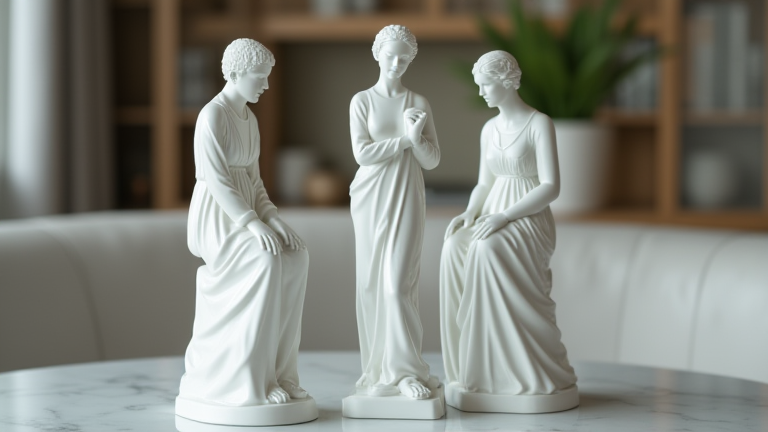
Porcelain Figurines: The Best Business Ideas for Sculpture Collectors
TL;DR: The most profitable business model for porcelain figurine collectors involves curating high-end limited editions and leveraging digital authentication platforms to build trust in the secondary market. Success relies on hybrid sales channels that combine physical gallery experiences with robust e-commerce infrastructure.
The global art market has seen a resurgence in interest for collectible porcelain, driven by a demographic that values tactile luxury and historical craftsmanship. Unlike mass-produced decorative items, authentic porcelain figurines from renowned studios such as Meissen, Sèvres, or Royal Doulton hold significant appreciation potential. For collectors transitioning into entrepreneurship, the key lies in distinguishing between mere decoration and investable art. The market analysis reveals a bifurcated landscape: entry-level pieces sold in high volume with thin margins, and high-end, signed works sold in low volume with substantial profit margins. The latter offers superior returns on investment for those willing to conduct deep due diligence on provenance and condition. Furthermore, the rise of “affordable luxury” has created a niche for mid-tier vintage figurines that appeal to younger collectors who cannot yet access the ultra-premium sector but desire authentic, handcrafted items.
If you want to dig deeper, check out our guide on Porcelain Figurines: Timeless Charm & Style for Your Home.
Strategic Insights for Market Entry
Developing a viable business around porcelain sculptures requires a sophisticated understanding of supply chain dynamics. Sourcing is the primary challenge; reliable inventory must be secured through estate sales, specialized auctions, and direct partnerships with retired artisans. Unlike digital goods, physical porcelain is fragile and expensive to ship, necessitating a logistics strategy that prioritizes white-glove handling. Insurance costs must be factored into pricing models, as breakage during transit can be catastrophic for profitability. Marketing strategy should emphasize storytelling. Collectors are not just buying glass; they are buying heritage. Content marketing that details the firing techniques, the history of specific glazes, and the biography of the sculptor can justify premium pricing. Additionally, creating a community around the collection, perhaps through exclusive member previews or restoration workshops, can foster brand loyalty and reduce customer acquisition costs.
Case Studies in Success
Consider the case of “Glimmer & Clay,” a boutique e-commerce platform that specializes in mid-century American porcelain figurines. By focusing on a specific geographic and temporal niche, they avoided direct competition with global giants selling European classics. Their success was driven by rigorous condition reporting, providing high-resolution macro photos of any chips or hairline cracks. This transparency built immense trust, resulting in a 40% repeat customer rate within their first year. Another example is “The Kiln Room,” which pivoted from selling only new works to including a curated vintage section. They utilized a consignment model for high-value pieces, reducing their initial capital outlay. They also partnered with local interior designers to place their figurines in high-traffic hotel lobbies, acting as living billboards for their online store. These case studies illustrate that specialization and transparency are the twin pillars of success in this sector.
Ultimately, the business of porcelain figurines is a test of patience and expertise. It is not a get-rich-quick scheme, but a sustainable venture for those who respect the craft. By combining rigorous authentication, superior customer service, and niche marketing, collectors can build a profitable enterprise that celebrates the enduring beauty of porcelain art.
FAQ
Q: What is the best niche for new porcelain figurine businesses?
A: Focusing on a specific region or era, such as mid-century American or contemporary Japanese porcelain, helps differentiate your brand from broad marketplaces.
Q: How should I handle shipping for fragile items?
A: Use custom-fitted foam inserts and double-boxing methods, while clearly disclosing insurance requirements to protect both the item and your liability.
Q: Is it necessary to have formal art history credentials?
A: While not legally required, demonstrating deep knowledge through detailed provenance research and educational content is essential for building credibility with serious collectors.
Leave a Reply