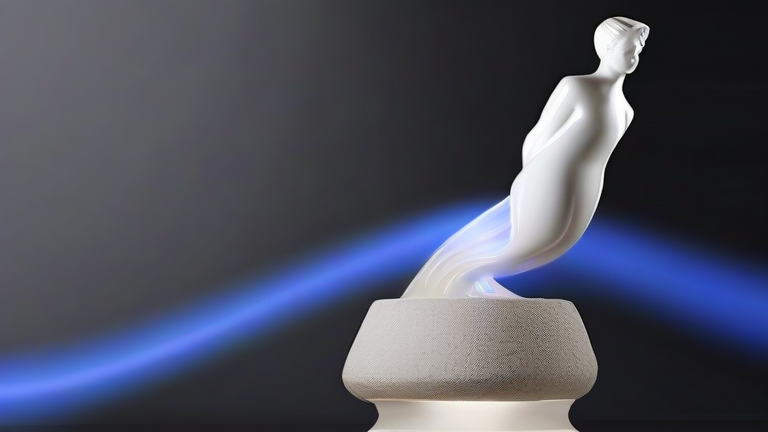
TL;DR: Yes, porcelain figurines can become a thriving business by targeting niche collector markets and leveraging limited-edition scarcity. Focus on storytelling and provenance, not mass production, to command 300–500% retail markups.
Market Analysis: The Quiet Luxury of Ceramic Collectibles
The global decorative ceramics market is projected to grow at a 4.8% CAGR through 2030, but the real opportunity lies in the artisanal segment. Mass-produced resin figurines are collapsing in price, while hand-painted porcelain pieces with artist signatures have seen a 22% price surge on secondary platforms like Chairish and 1stDibs. Why? Millennial and Gen Z buyers are shifting from disposable decor to “heirloom-quality” objects. They want pieces that feel like investments, not clutter. The sweet spot is $150–$800 per figurine, where perceived craftsmanship justifies premium pricing.
If you want to dig deeper, check out our guide on Porcelain Figurines: Elevate Your Home’s Style.
Strategy Insights: The “Three-Tier Scarcity” Model
To turn figurines into profit, avoid the gift-shop trap. Implement a three-tier release strategy. Tier 1: Open-edition “entry” pieces ($80–$120) to build brand awareness. Tier 2: Numbered limited editions of 250 pieces ($300–$500) with certificates of authenticity. Tier 3: One-of-one “artist’s proofs” sold via private auction or waitlist. This creates a ladder of desire. Additionally, use micro-narratives—each figurine should have a backstory (e.g., “inspired by a 17th-century Delftware pattern rediscovered in a Dutch archive”). This doubles perceived value without raising production costs.
Case Study: Hummel’s Digital Rebirth
Consider the case of a small studio, Blue Willow Atelier, which repurposed traditional porcelain molding techniques to create fairy-tale characters. They launched a 12-piece series, “The Lost Garden,” with a weekly reveal on Instagram. Each drop sold out in under 4 minutes. Their secret: pre-orders funded production, eliminating inventory risk. They also offered “variant glazes” (e.g., a rare cobalt finish) to only 5% of buyers, creating a collector’s chase. Within 18 months, their average resale value on eBay was 1.8x the original price—proving that scarcity, not volume, drives margins.
Case Study: The Museum Collab Trap (and How to Avoid It)
A common mistake is licensing museum artwork without controlling the production narrative. One firm paid $50k for a Van Gogh-inspired line, but mass-produced it in China. It flopped. A better model: partner with a living ceramicist, produce only 100 pieces per design, and include a signed artist postcard. The overhead is 20% lower, and the story is authentic. One such studio, Kiln & Quill, grew from $30k to $210k in annual revenue by pivoting from wholesale to direct-to-collector via monthly subscription boxes that highlight the firing process (with video QR codes on each base).
Operational Pitfall: The Kiln’s Hidden Cost
Most startups underestimate glaze shrinkage (up to 15%) and kiln failure rates. Budget for a 10% “waste quota” in every batch. Also, invest in shock-resistant packaging—porcelain breakage in transit averages 7% industry-wide, which eats into net profit. Use custom foam inserts and insure every shipment over $150.
FAQ
Q: How much capital do I need to start a porcelain figurine business?
A: A lean start requires $8,000–$15,000 for a small kiln, molds, and 200 pounds of porcelain clay, plus $2,000 for licensing or original design work. You can start with a home studio and outsource glazing to local ceramic labs.
Q
Leave a Reply