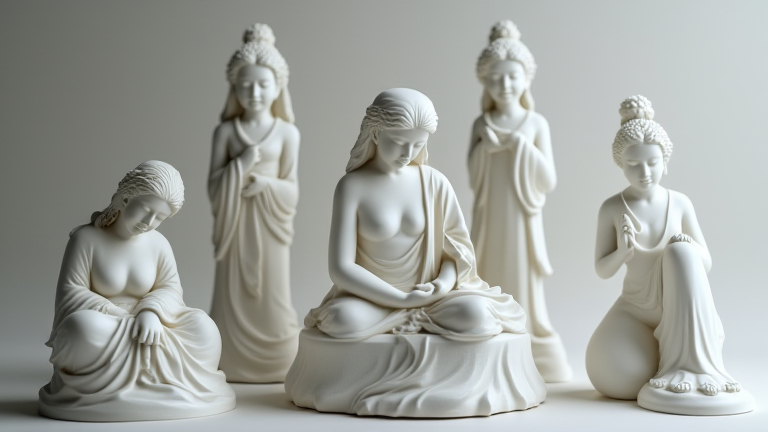
TL;DR: Porcelain sculptures reduce stress by promoting mindfulness and providing a tangible focal point for mental clarity. Their presence in living spaces encourages a pause in daily routines, fostering a calm environment that supports emotional well-being.
The Science of Serenity Through Art
Modern psychology suggests that interacting with tactile, high-quality objects can lower cortisol levels. Porcelain, with its smooth, cool texture, offers a unique sensory experience that grounds individuals in the present moment. Studies on environmental psychology indicate that curated, aesthetically pleasing objects in the home can significantly reduce perceived stress. Unlike digital screens, which often increase cognitive load, physical sculptures like delicate porcelain figurines invite a slower pace of interaction. This shift from digital consumption to tactile appreciation allows the brain’s default mode network to engage, facilitating reflection and relaxation. By placing a small porcelain vase or a detailed figurine on a desk or bedside table, you create a visual anchor that reminds you to breathe and pause during high-pressure work periods.
If you want to dig deeper, check out our guide on Why the Crocs Jibbitz Craze Is Redefining Sneaker Customizat.
Integrating Porcelain into Daily Wellness Routines
Incorporating porcelain into your daily life does not require a massive collection; rather, it is about intentional placement. Start by selecting a piece that resonates with your personal sense of calm, such as a minimalist white bust or a nature-inspired figurine. Place it in a high-traffic area where you frequently feel rushed, such as your kitchen counter or office workspace. When you notice the piece, take three deep breaths. This technique, known as “micro-mindfulness,” helps reset your nervous system. Additionally, the process of cleaning or arranging porcelain can become a meditative ritual. The careful handling required to protect these delicate items encourages a state of heightened awareness and gentleness, which translates into more mindful interactions with others. This ritualistic care fosters a sense of accomplishment and order, reducing feelings of chaos. Remember, the goal is not to judge the art, but to use it as a tool for emotional regulation.
Creating a Harmonious Environment
Your living space significantly impacts your mental health. Cluttered environments often correlate with higher anxiety levels. Porcelain sculptures, due to their clean lines and often neutral colors, can help declutter the visual field. They add sophistication without overwhelming the senses. Choose pieces that complement your existing decor to maintain harmony. Avoid placing too many items in one spot; instead, distribute them strategically to create balance. This balanced aesthetic supports a sense of stability and peace. Furthermore, the durability of high-quality porcelain means these pieces can serve as long-term companions in your wellness journey, evolving with your life stages while maintaining their calming essence. By consciously curating your space with these thoughtful objects, you create an environment that actively supports your mental and emotional health, turning your home into a sanctuary of tranquility.
FAQ
Q: Does looking at art actually lower stress?
A: Yes, studies show that engaging with aesthetic objects can reduce anxiety and improve mood.
Q: How should I clean my porcelain sculptures?
A: Use a soft, dry cloth or a damp microfiber cloth with mild soap, avoiding abrasive materials.
Q: Can I place porcelain near windows?
A: It is best to avoid direct sunlight to prevent fading or thermal shock, which can crack the material.
Leave a Reply