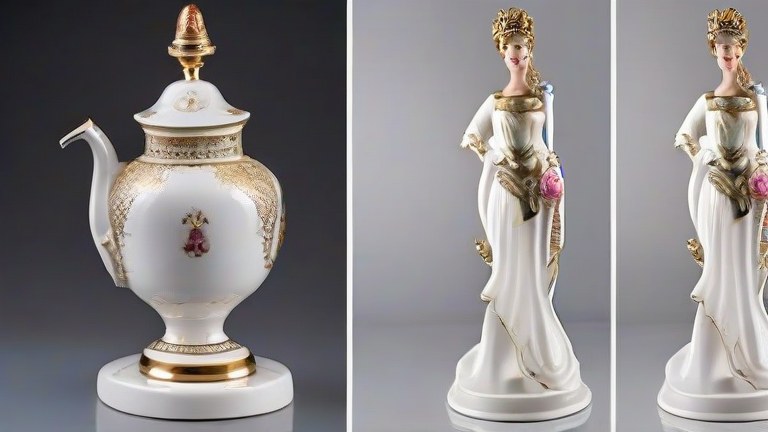
Tech Trends: Digital Restoration of Porcelain Figurines
TL;DR: Advanced photogrammetry and AI-driven algorithms now allow for the non-invasive digital reconstruction of damaged porcelain figurines, creating perfect 3D replicas for archival and display purposes. This technology bridges the gap between fragile heritage preservation and modern digital accessibility without altering the original artifact’s physical state.
The Evolution of Digital Preservation
The restoration of antique porcelain figurines has traditionally relied on skilled conservators who physically repair cracks and fill in missing pieces. However, recent developments in computational imaging have introduced a paradigm shift. By utilizing high-resolution structured light scanning and photogrammetry, technicians can capture microscopic surface details, including glaze textures and hairline fractures, with sub-millimeter accuracy. These scans are processed into dense point clouds, which are then meshed into high-fidelity 3D models. This digital twin serves as a permanent, immutable record of the figurine’s condition, ensuring that even if the physical object deteriorates further, its aesthetic and structural integrity is preserved in the digital realm.
If you want to dig deeper, check out our guide on Top 10 AI Photo Editing Apps Dominating Social Media Right N.
Technical Specifications and AI Integration
Modern restoration software now integrates machine learning models trained on vast datasets of historical ceramic styles. These AI systems can predict the original geometry of missing shards by analyzing symmetrical counterparts and stylistic patterns unique to specific manufacturers, such as Meissen or Sèvres. The specifications for these systems are demanding, requiring GPU-accelerated rendering to handle polycounts exceeding 50 million triangles for large-scale sculptures. Furthermore, digital material mapping allows experts to simulate light interactions with different porcelain glazes, aiding in the identification of forgeries or anachronistic restorations. The precision of these scans is critical; any deviation greater than 0.05mm can lead to inaccurate virtual reproductions, which is why industrial-grade laser scanners are becoming standard in museum conservation labs.
Industry Impact and Future Outlook
The impact of this technology on the art and heritage industry is profound. Museums can now offer virtual tours where users can rotate 360-degree views of fragile figurines that are too delicate to be moved or displayed under high-intensity lighting. This not only enhances public engagement but also reduces the physical handling risks associated with traditional curation. For the auction and insurance sectors, digital restoration reports provide objective, data-driven evidence of an item’s condition, reducing disputes over provenance and damage. As rendering engines become more capable of real-time ray tracing, the distinction between the digital replica and the physical object will continue to blur, offering a new avenue for appreciating the intricate craftsmanship of porcelain artistry from anywhere in the world.
FAQ
Q: Can digital restoration physically repair a broken figurine?
A: No, it creates a digital model that guides physical repair or serves as a standalone digital archive, but it does not alter the physical object itself.
Q: What is the primary advantage over traditional physical restoration?
A: It is non-invasive and reversible, preserving the original material integrity while providing a permanent record of the current state.
Q: Are these digital models suitable for 3D printing replacements?
A: Yes, high-resolution scans can be converted into printable files to create exact replicas for display, allowing the original to remain in secure storage.
Leave a Reply