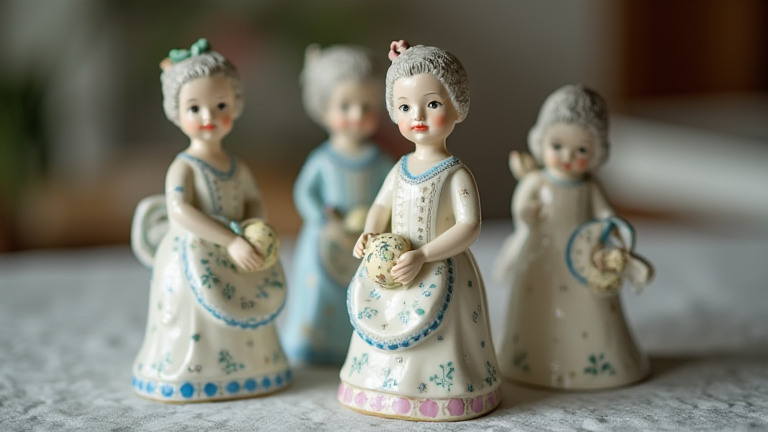
TL;DR: Porcelain figurines pose significant health risks primarily due to lead and cadmium leaching from damaged glazes or porous, unglazed surfaces. To mitigate exposure, avoid mouth contact, wash hands thoroughly after handling, and strictly keep such items away from food preparation areas.
The Hidden Danger in Decorative Porcelain
Many homeowners and collectors cherish porcelain figurines and sculptures as elegant additions to their living spaces. However, these decorative items can harbor serious health hazards, particularly if they contain lead or cadmium in the glaze or body. While modern manufacturing regulations have improved safety standards, older pieces and imported goods without proper certification may still exceed safe heavy metal limits. Understanding these risks is crucial for maintaining a healthy home environment, especially in households with young children or pets who may interact with these objects.
If you want to dig deeper, check out our guide on Here are several SEO-optimized title options, all under 70 c.
How Lead and Cadmium Enter the Home
Lead is a toxic heavy metal that was historically used in porcelain glazes to enhance gloss and color vibrancy. When a figurine’s glaze cracks, chips, or wears down over time, microscopic particles of lead can be released into the air or onto surfaces. Cadmium, another dangerous heavy metal, is often used in pigments for bright colors like red, yellow, and orange. Both metals are cumulative toxins, meaning they accumulate in the body over time. Even low-level chronic exposure can lead to severe neurological, renal, and cardiovascular issues. It is important to note that while intact, properly fired modern porcelain is generally considered stable, the risk increases significantly with age, damage, or poor manufacturing practices.
Science-Backed Risks to Health
Scientific research consistently links lead exposure to a wide array of health problems. In adults, symptoms may include high blood pressure, infertility, and joint pain. In children, even small amounts of lead can cause irreversible developmental delays, learning disabilities, and reduced IQ. Cadmium exposure is equally alarming, as it is classified as a carcinogen by the World Health Organization. Long-term exposure is strongly associated with kidney damage, bone softening, and an increased risk of lung and bladder cancer. The danger lies in the insidious nature of these metals; they often do not cause immediate symptoms, allowing dangerous levels to build up in the body before any signs of illness appear.
Practical Lifestyle Tips for Safety
To protect your family, adopt a proactive approach to managing porcelain decor. First, inspect all figurines regularly for signs of wear, such as flaking glaze or cracks. If you notice any damage, remove the item from circulation immediately. Second, establish strict hygiene protocols. Always wash your hands with soap and warm water after handling porcelain items. This simple step prevents the transfer of potential contaminants to your mouth, food, or other surfaces. Third, designate specific display areas. Keep figurines on high shelves or in glass cabinets that are difficult for children to access. Never use vintage or decorative porcelain for serving food or drinks, as acidic foods and hot liquids can accelerate the leaching of heavy metals.
Testing and Disposal
If you are concerned about a specific piece, consider using a lead test kit available at hardware stores, though these may not detect all types of heavy metals. For a more comprehensive analysis, send a sample to a certified laboratory. When disposing of damaged or high-risk items, do not throw them in regular household trash if they are chipped, as this can contaminate waste handling equipment. Instead, place them in a sealed plastic bag and label them as hazardous waste, following local municipal guidelines for disposing of lead-containing materials. By staying informed and vigilant, you can enjoy the beauty of porcelain art without compromising your health.
FAQ
Q: Can I safely wash old porcelain figurines with vinegar to remove dirt?
A: No, acidic solutions like vinegar can break down the glaze and accelerate the release of lead and cadmium. Use a mild soap and water solution instead, and avoid soaking the items for extended periods.
Q: Are all imported porcelain figurines dangerous?
A: Not necessarily, but the risk
Leave a Reply